Vietnam is a coastal country blessed with extraordinary natural diversity, and its islands are among the most captivating in Southeast Asia. With more than 4,000 large and small islands stretching along a long shoreline, Vietnam islands offer an impressive range of landscapes—from tropical luxury resorts and pristine beaches to remote fishing villages and untouched volcanic terrain.
For travelers seeking sea air, turquoise water, and a sense of escape, Vietnam islands are more than destinations—they are experiences. Whether you are planning a holiday during public festivals, Tet, or simply searching for your next ocean getaway, the following list introduces 10 Vietnam islands that consistently leave visitors mesmerized.
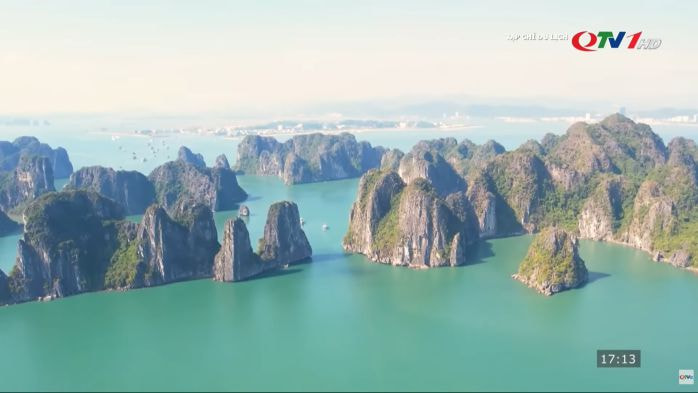
Each island carries its own rhythm, personality, and story. Together, they form a compelling portrait of Vietnam’s coastal soul.
1. Phu Quoc Island – The Emerald Jewel Among Vietnam Islands
When travelers think about Vietnam islands, Phu Quoc is often the first destination that comes to mind—and for very good reason. Located in Kien Giang Province in southern Vietnam, Phu Quoc is the largest island in the country and is affectionately known as the “Pearl Island.” Yet beyond its reputation and awards, Phu Quoc offers something deeper: a sense of balance that few Vietnam islands manage to achieve.
From the moment you arrive, Phu Quoc feels open and welcoming. Long stretches of white-sand beaches line the western coast, while dense tropical forests cover much of the island’s interior. What makes the experience special is how effortlessly modern comfort and traditional life coexist. Luxury beachfront resorts sit quietly beside fishing villages where daily routines remain unchanged—boats depart before dawn, nets are repaired by hand, and fresh seafood arrives at local markets every morning.
One of the most memorable experiences on Phu Quoc is watching the sunset. As evening approaches, the western sky transforms into a canvas of gold, orange, and deep crimson. Locals and visitors alike gather along the beach, creating a shared moment of stillness that feels timeless. This daily ritual alone places Phu Quoc among the most emotionally resonant Vietnam islands.
International recognition has reinforced its status. Phu Quoc has been ranked among the top winter destinations by National Geographic and named one of Asia’s most ideal beach destinations by AsiaOne. However, what truly defines the island is not its accolades, but its ability to cater to diverse travelers. Families, couples, solo explorers, and long-term visitors all find their own rhythm here.
Reaching Phu Quoc is straightforward. Direct flights connect the island with Ho Chi Minh City, Hanoi, Da Nang, and other major hubs. For travelers with time and curiosity, ferry routes from Rach Gia or Ha Tien offer a slower, more immersive approach, allowing the transition from mainland to island to unfold gradually.
Among Vietnam islands, Phu Quoc is ideal for travelers seeking comfort, variety, and accessibility without sacrificing natural beauty.
2. Con Son Island (Con Dao) – Serenity, Memory, and Spiritual Depth
While many Vietnam islands are defined by leisure and relaxation, Con Son Island—part of the Con Dao archipelago—offers an entirely different emotional landscape. This is a destination where history, spirituality, and nature intertwine to create a profoundly reflective experience.
Con Son is framed by emerald hills that slope gently toward pristine beaches. The sea here is unusually clear, and many beaches remain uncrowded even during peak travel seasons. Early mornings are especially striking. The island is quiet, almost reverent, with only the sound of waves and distant temple bells breaking the silence.
What distinguishes Con Dao from other Vietnam islands is its historical and spiritual significance. The island is home to important memorial sites and sacred landmarks that draw both domestic pilgrims and international travelers. Many visitors come not just to relax, but to reflect—on history, resilience, and personal journeys.
Despite its somber past, Con Dao does not feel heavy. Instead, it radiates calm and dignity. Walking along the coast or through forested paths, travelers often describe a sense of emotional clarity that is rare in more commercial destinations.
Con Son can be reached by domestic flights from Ho Chi Minh City or Can Tho. Ferries are also available, though the longer travel time makes air travel the preferred option for most visitors. Regardless of how you arrive, the transition feels meaningful, as though you are stepping into a space set apart from everyday life.
Among Vietnam islands, Con Dao appeals to travelers seeking peace, meaning, and emotional depth rather than entertainment or nightlife.
3. Co To Island – Untouched Beauty in Northern Vietnam Islands
In the far northeast of the country, Co To Island stands as one of the most quietly beautiful Vietnam islands in the Gulf of Tonkin. Located east of Van Don in Quang Ninh Province, Co To feels refreshingly removed from the rush of urban life.
The island’s charm lies in its simplicity. Roads are lined with greenery, the beaches are wide and open, and the air feels remarkably clean. Despite its growing popularity, Co To has managed to preserve a sense of calm that is increasingly rare among northern Vietnam islands.
Beaches here are not crowded or commercialized. Instead, they invite long walks, quiet swims, and moments of reflection. The coastline alternates between soft sand and rocky outcrops, creating dramatic seascapes that change with the light.
Getting to Co To is part of the experience. Travelers first journey from Hanoi to Cai Rong Port, then continue by high-speed boat or traditional wooden vessel. As the mainland fades behind you, anticipation builds—a feeling familiar to anyone who loves island travel.
Among northern Vietnam islands, Co To is perfect for travelers who value natural beauty, environmental balance, and a slower pace of exploration.
4. Nam Du Islands – A Gentle Escape from Modern Life
The Nam Du archipelago is one of the most understated yet emotionally rewarding Vietnam islands. Located off the coast of Kien Giang, Nam Du offers an escape not just from crowds, but from the noise of modern life itself.
Time moves differently here. Days begin with the sound of waves and end with quiet sunsets over the sea. Meals are simple but deeply satisfying—freshly caught seafood prepared with minimal seasoning, allowing natural flavors to shine.
One of the highlights of visiting Nam Du is the lighthouse viewpoint. From this elevated position, the entire archipelago spreads out below, revealing clusters of islands scattered across a deep blue sea. It is a moment that often leaves travelers speechless.
Reaching Nam Du requires traveling to Rach Gia, followed by a high-speed ferry ride. Weather plays a critical role, as ferry services are suspended when sea conditions become rough. This dependence on nature reinforces the island’s sense of humility and authenticity.
Among Vietnam islands, Nam Du is ideal for travelers craving simplicity, sincerity, and a reconnection with nature.
5. Cu Lao Cham – A Living Biosphere Near Hoi An
Just 15 kilometers from the ancient town of Hoi An, Cu Lao Cham offers a striking contrast to the mainland. This cluster of eight islands has been recognized as a UNESCO Biosphere Reserve and represents one of the most environmentally conscious Vietnam islands.
Cu Lao Cham is not just a destination—it is a living ecosystem. Freshwater streams flow year-round, supporting agriculture and daily life. Coral reefs surround the islands, making snorkeling a highlight for visitors interested in marine biodiversity.
What sets Cu Lao Cham apart from other Vietnam islands is its commitment to sustainability. Plastic use is strictly limited, and conservation efforts are visible everywhere—from waste management to community education. Visitors quickly sense that tourism here is guided by respect rather than exploitation.
Travelers typically reach Cu Lao Cham via Da Nang, then continue by speedboat from Cua Dai Port. The journey is short, but the transformation is immediate. Noise fades, the pace slows, and the island’s rhythms take over.
Among Vietnam islands, Cu Lao Cham stands out for its environmental integrity, cultural preservation, and harmonious relationship between people and nature.
6. Cat Ba Island – Where Mountains Meet the Sea
Cat Ba Island, located in Hai Phong City and bordering the world-famous Ha Long Bay, is the largest island in northern Vietnam and one of the most diverse island destinations in the country. Unlike many Vietnam islands that focus primarily on beaches, Cat Ba presents a rare harmony between sea, forest, and limestone mountains, creating a landscape that feels both dramatic and balanced.
The island is best known for Cat Ba National Park, a protected area covering more than half of the island. This park is home to dense tropical forests, hidden caves, freshwater lakes, and an impressive range of biodiversity, including the critically endangered Cat Ba langur. Trekking through the park offers panoramic views over the Gulf of Tonkin, with jungle-covered hills descending sharply into the sea. For nature lovers, this combination of coastal scenery and inland wilderness is what sets Cat Ba apart from other Vietnam islands.
Beyond its forests, Cat Ba is also a beach destination. Beaches such as Cat Co 1, Cat Co 2, and Cat Co 3 are nestled between limestone cliffs, offering calm waters and scenic backdrops. Further away from the main town, quieter beaches and secluded coves reward travelers who are willing to explore. Lan Ha Bay, located just south of Ha Long Bay, is often considered even more peaceful, with emerald waters dotted by floating fishing villages and karst formations. Kayaking through this bay is one of the most memorable experiences Cat Ba has to offer.
Adventure is a key part of Cat Ba’s identity. Rock climbing on limestone cliffs, cycling along coastal roads, and boat trips through hidden lagoons appeal to travelers who prefer active exploration over passive relaxation. At the same time, Cat Ba also accommodates those seeking calm. Away from the busy harbor area, evenings are quiet, marked by gentle sea breezes and distant fishing lights.
Getting to Cat Ba from Hanoi is relatively straightforward. Travelers can choose a combination of bus and ferry, or opt for faster hydrofoil services during peak seasons. Thanks to its accessibility and variety of experiences, Cat Ba attracts a wide range of visitors, from backpackers and families to photographers and eco-tourists.
Among Vietnam islands, Cat Ba stands out as one of the most versatile destinations. It is equally suited for beach holidays, outdoor adventures, and immersive nature experiences, making it an excellent choice for travelers who want to experience multiple sides of Vietnam in one place.
7. Ly Son Island – A Volcanic Wonder Among Vietnam Islands
Ly Son Island, located off the coast of Quang Ngai Province, is one of the most distinctive Vietnam islands, shaped by ancient volcanic eruptions that occurred millions of years ago. Unlike the soft sandy shores and gentle hills found on many islands, Ly Son is defined by black basalt cliffs, layered rock formations, and dramatic coastal landscapes that feel raw and powerful.
The island’s volcanic origins are visible everywhere. Crater rims rise above the sea, lava rocks form natural sculptures along the shoreline, and waves crash against rugged cliffs with relentless energy. Standing on the edge of the island, looking out at the vast ocean, visitors often describe Ly Son as almost otherworldly. It is a place where nature feels untamed and deeply expressive.
One of Ly Son’s most iconic features is its garlic fields. Grown in volcanic soil enriched by sea sand, Ly Son garlic is famous throughout Vietnam for its strong aroma and distinctive flavor. The contrast between green garlic fields, dark volcanic rock, and bright blue sea creates a striking visual identity unique among Vietnam islands. Agriculture and island life are closely intertwined here, and visitors can easily observe local farmers at work.
Cultural and spiritual heritage also play a central role on Ly Son. The island is known for its historic temples, ancestral houses, and memorials dedicated to the Hoang Sa flotilla—Vietnamese sailors who centuries ago set out from Ly Son to protect and map the country’s offshore territories. This maritime legacy gives the island a strong sense of historical depth and national identity.
Traveling to Ly Son requires some planning. Visitors typically fly to Da Nang or Chu Lai Airport, then travel by road to Sa Ky Port, where ferries depart for the island. Sea conditions are an important factor, as ferry services depend heavily on weather stability. This relative inaccessibility helps preserve Ly Son’s authentic atmosphere, keeping mass tourism at bay.
Among Vietnam islands, Ly Son appeals most to adventurous travelers, photographers, and those with an interest in geology and cultural history. It is not a destination of luxury resorts or nightlife, but rather a place for reflection, exploration, and a deeper connection with the forces that shaped the land and the lives of its people.
8. Binh Ba Island – A Seafood Paradise Near Nha Trang
Binh Ba Island, located near Cam Ranh Bay in Khanh Hoa Province, has earned a reputation as one of the best destinations in Vietnam for seafood lovers. Often referred to as the “lobster island,” Binh Ba is especially famous for its fresh, affordable seafood, which has become the main reason many travelers choose to visit.
Despite its growing popularity, Binh Ba has managed to retain a relatively low-key and local atmosphere. The island is small, easy to navigate, and deeply connected to fishing traditions. Early in the morning, boats return to shore with their catch, supplying local markets and seaside restaurants. Visitors can choose seafood directly from tanks and have it prepared on the spot, ensuring freshness and authenticity.
Beyond food, Binh Ba also offers pleasant beaches and clear waters. Bai Nom and Bai Chuong are among the most popular spots, known for their calm seas and clean sand. The island’s coastline is gentle rather than dramatic, making it suitable for swimming, snorkeling, and relaxed beach activities. Unlike more developed Vietnam islands, Binh Ba feels intimate and approachable, with no large resorts dominating the landscape.
Local life remains a central part of the experience. Small houses line the shore, children play near fishing boats, and evenings are often quiet, filled with the sounds of the sea rather than music or crowds. This sense of everyday life gives Binh Ba a genuine character that many travelers find refreshing.
Reaching Binh Ba is relatively convenient. From Ho Chi Minh City or other major hubs, travelers can go to Cam Ranh, then continue by boat from Ba Ngoi Port. Both wooden boats and speedboats operate regularly, making the journey accessible even for short trips.
Among Vietnam islands, Binh Ba is ideal for travelers who value culinary exploration as much as scenery. It is a destination where taste, simplicity, and coastal beauty come together, offering a satisfying and grounded travel experience.
9. Diep Son Island – Walking Across the Sea
Diep Son Island, located in Van Phong Bay in Khanh Hoa Province, is one of the most unusual Vietnam islands thanks to a natural phenomenon that has captured widespread attention. During low tide, a narrow sandbar emerges, connecting three small islands and allowing visitors to walk across the sea with water stretching out on both sides.
This experience is unlike anything else in Vietnam. The sensation of walking on a submerged path, with gentle waves brushing against your ankles, creates a feeling of wonder and calm. The visual impact is particularly strong during sunrise or sunset, when the sky reflects on the shallow water, making Diep Son a favorite destination for photographers.
Despite its viral fame on social media, Diep Son remains largely undeveloped. There are no luxury resorts or major entertainment facilities, and accommodation options are limited. This lack of infrastructure has helped preserve the island’s peaceful and rustic charm. Life on Diep Son moves slowly, centered around fishing, simple meals, and quiet evenings.
The surrounding landscape is understated but beautiful. Low hills, small fishing villages, and expansive views of the bay contribute to a sense of openness and simplicity. Visitors often come not for a long stay, but for a unique moment—an experience that feels fleeting and special.
Traveling to Diep Son requires several steps. Visitors can reach Tuy Hoa or Cam Ranh by air, then travel by road to Van Gia Port, where boats depart for the island. Timing is crucial, as the sandbar is only visible during specific tidal conditions. Planning around tide schedules is essential to fully experience Diep Son.
Among Vietnam islands, Diep Son is best suited for travelers seeking something truly distinctive rather than conventional comfort. It is a destination defined by a single, extraordinary natural feature—one that leaves a lasting impression long after the journey ends.
10. Phu Quy Island – Remote Beauty Off the Coast of Binh Thuan
Phu Quy Island, also known as Cu Lao Thu, lies approximately 120 kilometers offshore from Phan Thiet in Binh Thuan Province. It is one of the most remote Vietnam islands that travelers can still access without specialized expeditions, making it a symbol of isolation, resilience, and quiet beauty.
The island’s landscape is shaped by wind, waves, and volcanic rock. Rugged coastlines alternate with peaceful beaches, while temples and shrines sit on elevated points overlooking the sea. Exploring Phu Quy by motorbike is one of the best ways to experience its character, allowing visitors to circle the island, stop at scenic viewpoints, and discover hidden corners at their own pace.
Beaches such as Trieu Duong and Bai Nho offer clear water and minimal crowds. These are not commercialized beaches with rows of umbrellas or bars, but rather open, natural spaces where the rhythm of the sea sets the tone. Swimming, watching sunsets, or simply sitting by the shore are among the main activities.
Life on Phu Quy feels unhurried. Fishing remains the primary livelihood, and daily routines are closely tied to weather and tides. Visitors often remark on the sense of authenticity here—an impression that comes from the island’s distance from the mainland and its limited exposure to mass tourism.
Reaching Phu Quy requires patience. Travelers must first go to Phan Thiet, then board a ferry that takes several hours to cross open waters. Weather conditions can affect schedules, and delays are not uncommon. However, for those who make the journey, the reward is a level of tranquility that is increasingly rare.
Among Vietnam islands, Phu Quy is best suited for travelers who value solitude, simplicity, and a deep sense of place. It is not a destination for convenience or luxury, but for those seeking an authentic island experience shaped by nature and time.
Why Vietnam Islands Deserve a Place on Your Travel List
Vietnam islands are not just beach destinations. They are places where culture, history, nature, and daily life intersect in meaningful ways. From luxury escapes to untouched landscapes, from spiritual retreats to culinary adventures, Vietnam islands offer something for every type of traveler.
If you are seeking fresh air, open horizons, and the healing rhythm of the sea, these islands provide more than a vacation—they offer renewal.