When people talk about beach destinations in Vietnam, names like Da Nang or Nha Trang often come up first. But for travelers seeking something quieter, more authentic, and deeply layered with history, Quy Nhon Vietnam offers an experience that feels both untouched and profoundly meaningful.
Located along the south-central coast of Vietnam, Quy Nhon is not just a seaside city—it is a place where ancient civilizations, revolutionary history, dramatic landscapes, and modern aspirations coexist in a way few destinations manage to balance.
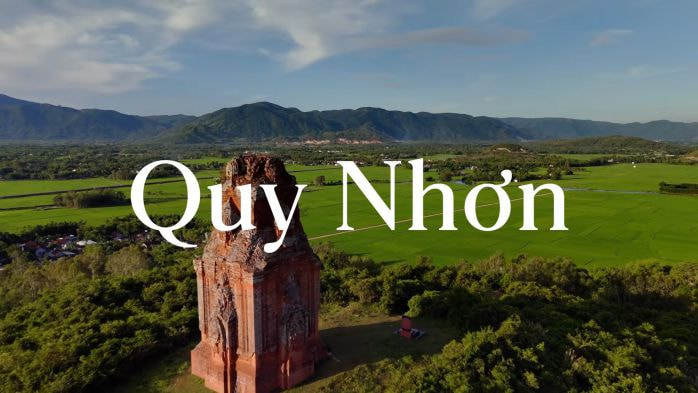
My journey through Quy Nhon Vietnam was not defined by luxury resorts or flashy attractions. Instead, it unfolded slowly—through early morning walks by the sea, bowls of local noodles eaten on plastic stools, forgotten Cham towers standing silently by busy roads, and conversations with locals whose pride in their city was unmistakable.
An Overview of Quy Nhon Vietnam: A Coastal Capital with Deep Roots and Quiet Confidence
At first glance, Quy Nhon Vietnam may seem like just another coastal city on the long shoreline of the country. But spend even a short amount of time here, and it becomes clear that Quy Nhon is something far more complex—a city shaped by ancient civilizations, historical turning points, and a geography that feels both dramatic and deeply calming.
Quy Nhon is the coastal capital of Binh Dinh Province, and it plays a central role in the region’s political, economic, cultural, scientific, and tourism development. Unlike cities that grew rapidly through modern industry or mass tourism, Quy Nhon Vietnam evolved through layers of history, each leaving behind traces that still shape daily life today.
Long before the name “Vietnam” existed in its current form, this land was part of the Champa civilization, a powerful maritime culture that flourished along the central coast of Southeast Asia. The Champa people were master sailors, traders, and architects, and their influence can still be felt in Quy Nhon Vietnam through ancient tower complexes, place names, and local legends. These remnants do not dominate the cityscape, but they quietly coexist with modern buildings—gentle reminders that Quy Nhon’s identity did not begin in the modern era.
After the reunification of Vietnam in 1975, Quy Nhon entered a period of administrative restructuring and gradual recovery. The city officially gained municipal status in 1986, and just three years later, in 1989, it was reinstated as the provincial capital of Binh Dinh. This designation marked an important turning point, positioning Quy Nhon Vietnam as the administrative and economic heart of the province.
The pace of development accelerated in the following decades. Infrastructure improved, urban planning expanded, and connections to other regions strengthened. In 2010, Quy Nhon was officially recognized as a Grade I city, a classification that reflects not only population size and infrastructure, but also strategic importance at the national level. This recognition signaled that Quy Nhon Vietnam was no longer a secondary coastal town—it was emerging as a key urban center along Vietnam’s south-central coast.
International attention soon followed. In 2015, the British travel publication Rough Guides listed Quy Nhon Vietnam among Southeast Asia’s top emerging destinations. For seasoned travelers, this came as no surprise. The city offered something increasingly rare: authentic local life, unspoiled coastal landscapes, and a sense of place not yet reshaped by mass tourism. That recognition simply confirmed what those who had visited were already beginning to understand.
Geographic Location: Where Mountains Meet the Sea
One of the most defining characteristics of Quy Nhon Vietnam is its geography—a landscape where mountains, rivers, lagoons, and the open sea come together in striking harmony.
The city is located in the southeastern part of Binh Dinh Province, facing the East Sea. To the west and north, Quy Nhon borders Tuy Phuoc District, an area of agricultural plains and river systems. To the south, it neighbors Song Cau Town in Phu Yen Province, creating a natural connection between two coastal regions with distinct identities.
This positioning places Quy Nhon Vietnam at a geographic crossroads. It is neither isolated nor overexposed. Instead, it serves as a natural bridge between coastal Vietnam and the Central Highlands, a role it has played for centuries through trade routes, migration, and cultural exchange.
Looking at distances helps put this strategic location into perspective:
- Approximately 1,065 kilometers south of Hanoi, the political capital of Vietnam
- About 650 kilometers north of Ho Chi Minh City, the country’s largest economic hub
- Only 165 kilometers from Pleiku in Gia Lai Province, a key city in the Central Highlands
- Roughly 322 kilometers south of Da Nang, another major coastal city
These distances explain why Quy Nhon Vietnam has long been considered a gateway city. Goods from the highlands—timber, agricultural products, minerals—have historically flowed toward the sea through this region, while coastal influences moved inland along the same routes. Even today, this dynamic continues, shaping the city’s economy and cultural diversity.
Unlike some coastal cities that feel stretched thin along the shoreline, Quy Nhon Vietnam feels grounded. Mountains rise behind the city, creating a natural backdrop that frames the urban area and provides a sense of enclosure. The sea opens outward, expansive and calm, giving the city both protection and possibility.
Diverse Topography and Natural Landscapes
What surprised me most about Quy Nhon Vietnam was not just its coastline, but the remarkable diversity of landscapes packed into and around the city. Few places offer such a varied natural environment within such a compact area.
To the west and northwest, mountain ranges rise gently but persistently. Peaks like Nui Den, reaching over 360 meters, are not dramatic in height but significant in presence. They shape weather patterns, protect the city from harsh winds, and provide natural viewpoints overlooking the coast.
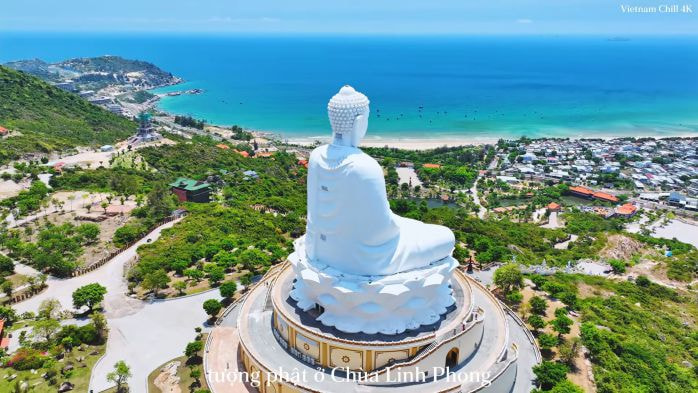
Moving further outward, you encounter forested areas, particularly near Cu Mong Pass, where greenery thickens and the air becomes noticeably cooler. These forests are not just scenic; they play an essential role in maintaining ecological balance and water resources for the region.
One of the most distinctive features of Quy Nhon Vietnam is its system of lagoons and wetlands, especially Thi Nai Lagoon. This vast body of brackish water lies between the city and the Phuong Mai Peninsula, creating a unique ecosystem that supports fisheries, aquaculture, and migratory birds. At sunrise or sunset, the lagoon reflects the sky in soft pastels, offering moments of quiet beauty rarely associated with urban areas.
Several rivers flow through or near the city, most notably the Ha Thanh River. These waterways have shaped settlement patterns for generations, providing freshwater, transportation routes, and fertile land for agriculture.
Extending eastward, the city opens onto the sea through peninsulas like Phuong Mai, a dramatic stretch of land characterized by sand dunes, cliffs, and pristine beaches. This peninsula acts as a natural shield for the city’s harbor while also offering some of the most breathtaking coastal scenery in Quy Nhon Vietnam.
Offshore, islands such as Nhon Chau (Cu Lao Xanh) add another layer to the city’s geography. These islands feel worlds away from urban life, with clear water, coral reefs, and small fishing communities that still follow traditional rhythms.
The coastline of Quy Nhon Vietnam stretches approximately 72 kilometers, alternating between long sandy beaches, rocky headlands, and quiet fishing villages. This varied shoreline, combined with rich marine ecosystems and extensive brackish waters, has made the city a natural hub for fisheries, port services, and increasingly, eco-tourism.
Climate: Warm, Predictable, and Inviting
The climate of Quy Nhon Vietnam is another factor that makes the city appealing for both residents and travelers. Situated in a tropical zone, Quy Nhon experiences two distinct seasons, each with its own character.
The dry season, from March to September, brings long sunny days, calm seas, and minimal rainfall. This period is ideal for beach activities, island trips, and outdoor exploration. The sunlight is strong but tempered by coastal breezes, making the heat manageable even during peak summer months.
The rainy season, from October to February, introduces cooler temperatures and occasional storms. Rainfall tends to come in short, concentrated bursts rather than continuous downpours. After the rain passes, the city feels refreshed—streets washed clean, vegetation brighter, and the air noticeably cooler.
The average annual temperature in Quy Nhon Vietnam is around 28°C, creating a climate that is warm without being oppressive. Unlike more humid southern cities, Quy Nhon often feels balanced, with enough wind and seasonal variation to keep the weather comfortable.
For travelers, this means Quy Nhon Vietnam is suitable for visits throughout most of the year. Even during the rainy season, the city retains a calm, reflective atmosphere that many find appealing—especially those seeking a slower, more contemplative travel experience.
A City Rich in Natural Resources: The Environmental Wealth of Quy Nhon Vietnam
Nature has been exceptionally generous to Quy Nhon Vietnam, and this generosity is one of the city’s greatest long-term advantages. Unlike destinations that rely on a single natural feature—such as beaches or mountains—Quy Nhon benefits from a diverse range of natural resources that support not only tourism, but also economic stability, environmental resilience, and sustainable urban growth.
One of the most significant assets is the Phuong Mai Peninsula, covering an area of approximately 100 square kilometers. This vast stretch of land extends eastward into the sea, forming a natural barrier that protects the city’s harbor while also creating dramatic coastal landscapes. Phuong Mai is characterized by sand dunes, rocky cliffs, and unspoiled beaches, making it both ecologically important and visually striking. In recent years, it has become a focal point for eco-tourism, renewable energy projects, and carefully planned urban expansion.
Equally vital is Thi Nai Lagoon, a sprawling brackish water ecosystem covering roughly 50 square kilometers. The lagoon functions as a natural nursery for marine life, supporting fisheries and aquaculture that have sustained local communities for generations. At the same time, it acts as an environmental buffer, regulating water flow and protecting the city from coastal flooding. For visitors, Thi Nai Lagoon offers serene scenery—especially at sunrise and sunset—where fishing boats glide across reflective waters framed by distant hills.
Beyond the coast and wetlands, Quy Nhon Vietnam is surrounded by extensive forest areas, totaling over 30,000 hectares. These forests play a critical role in maintaining biodiversity, regulating the local climate, and protecting water sources. They also provide raw materials and livelihoods for rural communities while serving as green lungs for the expanding urban population.
Beneath the surface, the city is endowed with valuable mineral resources, including titanium and granite. While mineral extraction is carefully regulated, these resources have contributed to industrial development and construction, supporting infrastructure growth across the region.
The sea itself is perhaps Quy Nhon’s most visible natural gift. The city sits adjacent to vast fishing grounds rich in high-value seafood, including tuna, mackerel, shrimp, and squid. This abundance has shaped the local diet, economy, and identity, reinforcing Quy Nhon Vietnam’s role as a major center for fisheries and seafood processing.
Another distinctive resource is the production of bird’s nest (yen sao)—a highly prized delicacy in East Asian cuisine. Quy Nhon Vietnam ranks second only to Khanh Hoa Province in bird’s nest output, placing it firmly on the map in this specialized industry.
Often overlooked but critically important are the city’s underground freshwater reserves, particularly along the Ha Thanh River basin and beneath the Phuong Mai Peninsula. These groundwater resources ensure a stable and reliable water supply for both residents and industry, giving Quy Nhon Vietnam a crucial advantage as it continues to grow. In an era where many coastal cities face water scarcity, this hidden resource may prove to be one of Quy Nhon’s most valuable assets.
Historical Layers of Quy Nhon Vietnam: A Living Chronicle
Walking through Quy Nhon Vietnam feels less like visiting a single historical period and more like turning the pages of a living history book. Each era has left its mark—not always loudly, but unmistakably.
Champa Civilization and Early Foundations
As early as the 11th century, this region formed part of the Champa cultural sphere, a powerful maritime civilization that once dominated much of Vietnam’s central coast. The Champa were skilled sailors, traders, and builders, and Quy Nhon served as an important coastal settlement within their network.
Remnants of this era still exist today in the form of Cham towers, archaeological sites, and spiritual traditions. These structures, built primarily from brick without mortar, reflect advanced engineering techniques and deep religious symbolism. Although centuries have passed, the presence of Champa culture continues to shape the historical consciousness of Quy Nhon Vietnam.
As Vietnamese expansion moved southward, Quy Nhon gradually became an important administrative and military center. Its strategic coastal position made it a key point for defense, governance, and trade.
One of the most significant historical landmarks is Thi Nai Port, which emerged as a major trading hub from the 18th century onward. Through this port, goods flowed between inland regions and international markets, connecting Quy Nhon Vietnam to broader commercial networks across Southeast Asia.
Colonial Transformation
A major turning point came in 1898, when King Thanh Thai officially established Quy Nhon as a provincial town. This decision marked the beginning of a new administrative era and set the stage for modern urban development.
During the early 20th century, French colonial influence reshaped the city’s physical and institutional landscape. Schools, hospitals, railways, hotels, and administrative buildings appeared, introducing new architectural styles and urban planning concepts. These developments transformed Quy Nhon from a traditional coastal settlement into a structured colonial town.
By 1930, Quy Nhon had been elevated to a third-grade city, an impressive status at the time. This classification reflected its growing population, infrastructure, and economic importance within central Vietnam.
War, Division, and Reunification
Between 1945 and 1975, Quy Nhon Vietnam experienced profound upheaval. The city became a strategic location during periods of revolutionary activity, foreign occupation, and armed conflict. These decades left deep social and physical scars, but they also forged a strong sense of resilience among the local population.
Following the reunification of Vietnam in 1975, Quy Nhon underwent significant administrative restructuring. The immediate post-war years were challenging, marked by economic hardship and reconstruction efforts. Gradually, however, the city began to stabilize and rebuild, laying the groundwork for future development.
Modern Quy Nhon Vietnam: A City on the Rise
Today, Quy Nhon Vietnam stands firmly in the present while looking toward the future. Officially recognized as a Grade I city, it is one of the three major urban centers along Vietnam’s South-Central Coast, alongside Da Nang and Nha Trang.
This status reflects more than just population size—it signals national recognition of Quy Nhon’s strategic importance. The city is increasingly seen as a key node in Vietnam’s marine economy, logistics network, and scientific research landscape.
Urban planning initiatives aim to transform Quy Nhon Vietnam into:
- A national marine economic hub by 2035
- A key Southeast Asian city by 2050
To achieve these goals, the city has invested heavily in industrial parks, coastal urban zones, and infrastructure upgrades. Projects like the An Phu Thinh urban area exemplify this vision, combining residential, commercial, and green spaces in a modern urban framework.
Despite rapid development, Quy Nhon Vietnam has so far managed to retain a relatively balanced pace of growth. Compared to more heavily commercialized coastal cities, it still feels livable, human-scaled, and closely connected to its natural surroundings.
Administrative Divisions: A City of Many Identities
Administratively, Quy Nhon Vietnam is divided into 21 units, each contributing a unique character to the city.
The 16 wards, including Ghenh Rang, Hai Cang, Tran Phu, Le Hong Phong, and Nguyen Van Cu, form the urban core. These areas host government offices, commercial centers, schools, hospitals, and cultural institutions. Daily life here is dynamic, shaped by markets, cafés, and coastal promenades.
In contrast, the 5 communes—such as Nhon Chau, Nhon Ly, and Phuoc My—offer a quieter rhythm of life. These areas include fishing villages, island communities, and semi-rural landscapes where traditional livelihoods remain central.
Together, these divisions create a city that is remarkably diverse in lifestyle and atmosphere, yet unified by shared history and geography.
Economy: From Fisheries to Services
The economic structure of Quy Nhon Vietnam has evolved significantly over the past few decades. Once heavily reliant on agriculture and fisheries, the city has diversified into industry and services.
Today’s economic breakdown reflects this transformation:
- Agriculture, forestry, and fisheries: approximately 5.5%
- Industry and construction: around 47.6%
- Services: roughly 46.9%
This shift highlights the city’s transition toward a modern, service-oriented economy while still maintaining its traditional strengths. With export revenues approaching 1 billion USD and steadily rising income levels, Quy Nhon Vietnam can no longer be considered a hidden or underdeveloped destination.
Instead, it represents an emerging coastal economy—one that balances production, trade, tourism, and quality of life.
Transportation: Easy Access and Strategic Connections
One of the key factors supporting Quy Nhon Vietnam’s growth is its well-developed transportation network.
Road Network
Major highways link the city to other regions:
- National Highway 1A, Vietnam’s main north–south artery
- National Highway 19, connecting Quy Nhon to the Central Highlands
- National Highway 1D, providing coastal access toward Phu Yen
These routes ensure efficient movement of goods and people between coastal and inland areas.
Seaports
The Quy Nhon Port system is the largest in the South-Central Coast and Central Highlands region, ranking among Vietnam’s top three ports in cargo volume. It plays a critical role in export logistics and regional trade.
Railway
Quy Nhon Railway Station connects to Dieu Tri Station on the North–South railway line, offering daily services to Ho Chi Minh City and seasonal routes to other major destinations.
Air Travel
Located about 30 kilometers from the city center, Phu Cat Airport provides regular domestic flights to Hanoi and Ho Chi Minh City using modern aircraft. This accessibility makes Quy Nhon Vietnam increasingly attractive to both domestic and international travelers.
Cultural and Natural Attractions
Cham Towers (Thap Doi)
Standing quietly near the city center, these 11th–13th century towers are haunting reminders of Champa heritage.
Ghenh Rang – Tien Sa
A dramatic coastal landscape with stone beaches, the Queen’s Beach, and the tomb of poet Han Mac Tu—an emotional stop for many Vietnamese visitors.
Thi Nai Bridge
Stretching over 3.4 km, this bridge links the city to Phuong Mai Peninsula and symbolizes modern Quy Nhon Vietnam.
Eo Gio
Perhaps the most breathtaking spot in Quy Nhon Vietnam, Eo Gio offers wind-sculpted cliffs, turquoise water, and panoramic views that feel almost unreal.
Cu Lao Xanh
A tranquil island with clear water, old lighthouses, and freshwater springs—perfect for slow travel and reflection.
Food Experience: The Taste of Quy Nhon Vietnam
No experience of Quy Nhon Vietnam is complete without its food.
The most iconic dish is bun cha ca—fish cake noodle soup. Light, naturally sweet, and comforting, it reflects the coastal soul of the city. Eaten in the morning by locals, it’s not just breakfast—it’s tradition.
From seafood markets to humble street stalls, food in Quy Nhon Vietnam is honest, affordable, and deeply satisfying.
Final Thoughts: Why Quy Nhon Vietnam Stays With You
Quy Nhon Vietnam doesn’t overwhelm you. It doesn’t try too hard. Instead, it reveals itself slowly—through landscapes, history, daily rituals, and human warmth.
It is a city where:
- The past still breathes quietly
- Nature shapes everyday life
- Progress unfolds with caution and respect
For travelers who value authenticity over spectacle, Quy Nhon Vietnam is not just a destination—it’s a feeling that lingers long after you leave.