I first became curious about Vietnam life expectancy not through statistics, but through people.
It was a quiet morning in Hanoi. I was sitting in a small café near Hoan Kiem Lake when an elderly man, well into his nineties, walked past with steady steps, smiling as he greeted familiar faces. Later that same week, I attended a neighborhood celebration honoring a centenarian — a 100-year-old man surrounded by family, incense smoke, laughter, and deep respect.
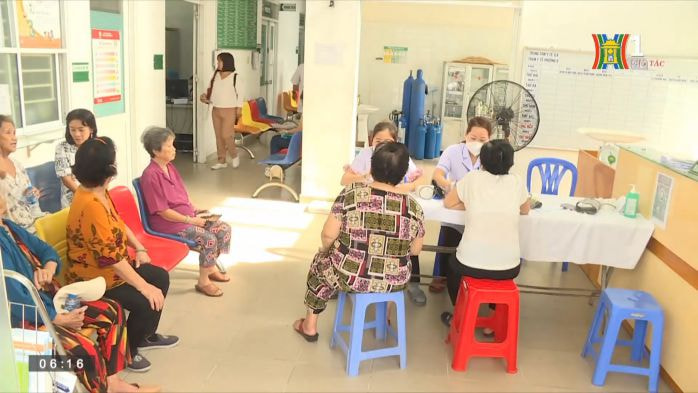
Moments like these made me wonder: How long do people in Vietnam actually live? And more importantly, why does life expectancy vary so dramatically from one place to another?
Recent data from Vietnam’s General Statistics Office provides clear answers — but numbers alone don’t tell the full story. To truly understand vietnam life expectancy, you need to experience the country, region by region, lifestyle by lifestyle.
Vietnam Life Expectancy Is Rising — And Why That Truly Matters
I didn’t first notice Vietnam’s rising life expectancy in a report or a chart. I noticed it on the streets.
It was in the early morning, just after sunrise, when parks in Hanoi and Ho Chi Minh City quietly come alive. Elderly couples walked hand in hand. Groups of women in their seventies practiced slow, deliberate tai chi movements. Older men sat on benches, sipping tea, debating politics, and laughing as if time were something they still had plenty of.
Only later did I connect these scenes to the data. According to the latest national census and housing survey, Vietnam life expectancy has increased by 1.1 years compared to five years ago. On paper, that might seem like a small improvement. In reality, it signals something much larger: a country steadily learning how to live longer — and, in many places, better.
A Decade of Quiet Progress
Between 2019 and 2024, Vietnam recorded measurable gains in longevity:
- Male life expectancy increased by 1.3 years
- Female life expectancy increased by 1 year
Today, average life expectancy in Vietnam stands at 74.7 years, broken down as:
- Women: 77.3 years
- Men: 72.3 years
These numbers place Vietnam firmly out of the “low life expectancy” category it once occupied decades ago. Instead, the country is now approaching the levels seen in more developed parts of Asia.
This rise in vietnam life expectancy did not happen overnight. It reflects long-term investments in:
- Public healthcare expansion
- Improved maternal and child health
- Better nutrition and sanitation
- Higher education levels
- Stronger disease prevention and vaccination programs
Vietnam’s story is not one of sudden transformation, but of steady, disciplined progress.
Yet averages can be deceptive.
Once you look beyond national figures, vietnam life expectancy reveals a country of contrasts — shaped by geography, gender, income, and access to healthcare.
Gender and Vietnam Life Expectancy: A Pattern Seen Around the World
Like nearly every country on the planet, women in Vietnam live longer than men. This gap is not unique — but in Vietnam, it feels especially visible once you start paying attention.
Spend time in neighborhood markets or local community gatherings, and you’ll notice it quickly. Women in their seventies and eighties are still actively shopping, cooking, caring for grandchildren, and maintaining social networks. Many men of the same age appear more fragile, slower, or already absent from these daily scenes.
Statistically, the difference is clear:
- Urban women: 79.5 years
- Rural women: 77.0 years
- Urban men: 74.3 years
- Rural men: 71.9 years
This gender gap in vietnam life expectancy reflects several overlapping realities.
Lifestyle and Social Habits
Men are more likely to:
- Smoke
- Consume alcohol regularly
- Work in physically demanding or hazardous jobs
Women, on the other hand, often maintain stronger social connections and healthier daily routines, even in older age.
Healthcare Engagement
Women tend to:
- Seek medical care earlier
- Attend regular checkups
- Follow treatment plans more consistently
These patterns, repeated over decades, quietly add years to life.
City vs Countryside: Where You Live Shapes How Long You Live
One of the most consistent findings in vietnam life expectancy data is the urban–rural divide. And once you travel beyond major cities, the reasons become easy to understand.
Life in the City: Longer, But Busier
Urban residents live longer on average. Cities offer advantages that accumulate over a lifetime:
- Better hospitals and specialist clinics
- Faster emergency response systems
- Higher average incomes
- Greater access to health education and screening
In cities like Ho Chi Minh City and Hanoi, longevity feels almost embedded in the rhythm of daily life. Morning exercise groups fill public parks. Preventive health checkups are common. Pharmacies and clinics are never far away.
Even as urban diets modernize, they still retain the balance of traditional Vietnamese cuisine — fresh vegetables, fish, soups, and lighter cooking methods.
As a result, average life expectancy in major cities reaches around 76.6 years, well above the national mean.
Rural Life: Simpler, But Riskier
Rural areas often appear healthier at first glance. The air is cleaner. Food is fresh. Life moves slower.
Yet rural residents face challenges that quietly reduce vietnam life expectancy:
- Limited healthcare infrastructure
- Fewer hospitals and specialists
- Longer travel times for medical emergencies
- Lower access to early disease detection
In mountainous and remote provinces, these gaps become especially pronounced. A condition that is treatable in a city can become life-threatening simply due to distance and delay.
Regional Differences: Vietnam Is Not One Story, But Many
Vietnam stretches long and narrow, and its geography shapes life expectancy in powerful ways. When discussing vietnam life expectancy, it’s impossible to speak of the country as a single, uniform experience.
Southeast Vietnam: The Longest Lives in the Country
The Southeast region consistently records the highest life expectancy nationwide:
- Men: 73.9 years
- Women: 79.2 years
This region includes economic powerhouses such as:
- Ho Chi Minh City
- Dong Nai
- Ba Ria–Vung Tau
Here, strong healthcare systems, modern infrastructure, higher incomes, and better living conditions combine to support longer lives. It’s no coincidence that many retirees choose this region to settle down.
Red River Delta and Mekong Delta: Quiet Strength in Longevity
Both deltas show impressive vietnam life expectancy figures, even though their economic profiles differ.
Red River Delta:
- Women: 78.7 years
- Men: 73.3 years
Mekong Delta:
- Women: 78.3 years
- Men: 73.4 years
In these regions, longevity seems rooted not only in healthcare access, but in culture. Strong family ties, community cohesion, traditional diets, and moderate daily routines play a powerful role in sustaining long lives.
Beyond the Numbers: What Vietnam Life Expectancy Really Tells Us
When people talk about vietnam life expectancy, they often reduce it to a single statistic — an average number that neatly fits into a chart or headline. But spending time across different regions of Vietnam quickly reveals that life expectancy is not just about years lived. It is about how those years are lived, where they unfold, and who gets access to the conditions that make long life possible.
Vietnam’s rising life expectancy reflects something deeper than economic growth or healthcare investment alone. It reflects social structure, cultural values, geography, inequality, and resilience. The numbers tell one story; lived experience tells another.
Life Expectancy as a Cultural Mirror
One of the most striking things about vietnam life expectancy is how closely it aligns with cultural attitudes toward aging. In many Vietnamese communities — particularly outside major metropolitan centers — older adults are not pushed to the margins of society. They remain visible, engaged, and respected.
Elders sit outside their homes chatting with neighbors, lead morning exercise groups in parks, help care for grandchildren, and play active roles in community rituals. Aging in Vietnam is often communal rather than isolating, and this emotional and social engagement quietly supports longevity.
While cultural respect for elders rarely appears in census tables, it may be one of the most underrated contributors to rising vietnam life expectancy. People who feel needed, valued, and socially connected tend to live longer — a pattern observed worldwide, and clearly visible across Vietnam.
Rising Vietnam Life Expectancy: A Story of Progress — and Gaps
Vietnam’s overall increase in life expectancy over the past decades is undeniable. The country has moved from post-war hardship to middle-income status in a remarkably short time. Along the way, improvements in nutrition, vaccination programs, maternal healthcare, sanitation, education, and disease prevention have pushed vietnam life expectancy steadily upward.
Yet this progress is not evenly distributed.
Behind the national average lies a landscape of sharp contrasts. Some provinces rival developed Asian economies in longevity, while others lag more than a decade behind. These disparities remind us that vietnam life expectancy is not just a health indicator — it is a measure of inequality.
The Central Highlands: Where Life Is Shorter — and Harder
Nowhere is this inequality more visible than in the Central Highlands (Tây Nguyên), a vast region spanning Dak Lak, Gia Lai, Kon Tum, Lam Dong, and Dak Nong.
Here, the statistics stand out starkly:
- Male life expectancy: 69.6 years
- Overall average: 72.2 years
This is the only region in Vietnam where male life expectancy falls below 70 years — a sobering contrast to national and urban averages.
Traveling through the Central Highlands helps explain why vietnam life expectancy dips so sharply here.
Geography as Destiny
The terrain is rugged and remote. Villages are scattered across hills and forests, far from major hospitals. Accessing specialized medical care often requires long journeys by motorbike or bus — a challenge for younger residents, let alone the elderly.
Emergency response times are longer. Preventive care is limited. Chronic conditions often go undiagnosed until they become severe.
Labor and Livelihood
Life in the Central Highlands is physically demanding. Agriculture, forestry, and manual labor dominate daily life. Years of heavy physical work take a toll on the body, particularly for men, contributing to lower male vietnam life expectancy.
Ethnic and Economic Barriers
Many residents belong to ethnic minority groups who face language barriers, lower education levels, and reduced access to public services. These structural disadvantages translate directly into poorer health outcomes and shorter lives.
Statistics may summarize this reality, but seeing it firsthand makes the numbers feel profoundly human.
Provincial Extremes: Where Vietnam Life Expectancy Peaks
Ba Ria – Vung Tau: Vietnam’s Longevity Leader
At the opposite end of the spectrum lies Ba Ria – Vung Tau, consistently ranked as the province with the highest vietnam life expectancy.
Latest figures show:
- Men: 74.2 years
- Women: 79.4 years
Several factors converge here:
- Clean coastal air
- Strong healthcare infrastructure
- Higher income levels
- Well-developed transportation networks
- Proximity to Ho Chi Minh City
Daily life in Ba Ria – Vung Tau feels slower and healthier. Early mornings bring retirees walking along the coast. Seafood-rich diets remain traditional and balanced. Preventive healthcare is accessible and widely used.
It is no coincidence that many retirees choose this province — it has quietly become a model for what high vietnam life expectancy looks like in practice.
Major Cities: Longevity in Urban Vietnam
Vietnam’s largest cities also rank high in life expectancy:
- Ho Chi Minh City
- Hanoi
- Dong Nai
Across these urban centers, average life expectancy reaches around 76.6 years, well above the national mean.
Why Cities Live Longer
Urban environments offer advantages that directly support vietnam life expectancy:
- Advanced hospitals and specialist clinics
- Faster emergency response
- Routine health screenings
- Higher health literacy
- Greater financial stability
In city parks, morning exercise groups are everywhere — tai chi, walking clubs, stretching circles led by retirees who have turned health into a daily ritual. Preventive care is normalized, and early diagnosis saves lives.
However, urban longevity comes with trade-offs: pollution, stress, sedentary jobs, and fast-paced lifestyles. That city residents still live longer highlights just how powerful healthcare access and early intervention are in shaping vietnam life expectancy.
The Other End of the Spectrum: Lai Chau
If Ba Ria – Vung Tau represents the peak of vietnam life expectancy, Lai Chau marks its lowest point.
Here, life expectancy falls dramatically:
- Men: 62.9 years
- Women: 68.9 years
The gap between the highest and lowest provinces is staggering:
- Men: 11.3-year difference
- Women: 10.5-year difference
This is not just a statistical curiosity — it is a profound inequality.
Why Lai Chau Falls Behind
Lai Chau is mountainous, remote, and sparsely populated. Healthcare facilities are limited. Roads are difficult. Winters are harsh. Economic opportunities are scarce.
Many residents rely on subsistence farming and physically demanding labor. Education levels are lower. Preventive healthcare is rare.
The result is a dramatically reduced vietnam life expectancy, especially for men.
These numbers are not abstract. They represent missed checkups, untreated illnesses, dangerous working conditions, and lives shortened by geography.
Gender Gaps: A Familiar Global Pattern in Vietnam
Like most countries worldwide, women in Vietnam consistently outlive men — a trend clearly reflected in vietnam life expectancy data.
Across regions:
- Women live 4–7 years longer than men
- The gap widens in rural and high-labor areas
Lifestyle differences play a major role. Men are more likely to smoke, drink alcohol heavily, and work in hazardous occupations. Women, meanwhile, often maintain stronger social networks and healthier daily routines.
Walking through markets or village lanes, it is common to see elderly women actively working, socializing, and moving with quiet strength — living proof of the gender gap in vietnam life expectancy.
Beyond Healthcare: What Longevity Really Requires
What makes vietnam life expectancy so compelling is that it reflects more than hospitals and policies. It reflects values.
Regions where elders remain socially engaged tend to see longer lives. Communities where aging is respected rather than hidden create environments where people want — and are able — to live longer.
Longevity thrives where:
- Social isolation is rare
- Family bonds remain strong
- Daily movement is normalized
- Diets stay balanced and traditional
- Healthcare is accessible, not distant
Vietnam’s cultural framework still supports many of these conditions, particularly outside hyper-urban environments.
Final Reflection: A Longer Life — But for Whom?
Vietnam’s rising life expectancy is a remarkable achievement. It tells a story of national resilience, smart investment, and decades of quiet progress.
But vietnam life expectancy also exposes uncomfortable truths. Geography still determines fate. Rural residents, ethnic minorities, and remote provinces do not benefit equally from this progress.
Longevity in Vietnam is increasing — but it is uneven.
The challenge ahead is clear: ensuring that longer life is not a privilege reserved for cities or coastal provinces, but a shared national reality.
And if the laughter of elderly groups exercising in morning parks is any indication, Vietnam already understands something essential about living long — and living well.
Why Vietnam Life Expectancy Is Improving — But Unevenly
From observing daily life across the country, several factors clearly drive rising vietnam life expectancy:
1. Improved Healthcare Access
Public hospitals, insurance coverage, and vaccination programs have expanded dramatically.
2. Better Nutrition
Vietnamese diets remain rich in vegetables, fish, and fresh ingredients — even as modern food culture grows.
3. Public Health Awareness
Exercise, early diagnosis, and preventive care are increasingly normalized.
4. Economic Growth
Higher incomes translate into better living conditions and healthcare choices.
Yet disparities remain, especially in remote regions.
Living Longer Is One Thing — Living Better Is Another
What struck me most during my travels was not just how long people live, but how they live.
In high-life-expectancy regions, older adults remain socially active, respected, and integrated into daily life. Longevity isn’t isolated — it’s communal.
This cultural respect for aging may be one of Vietnam’s quiet secrets behind rising vietnam life expectancy.
Final Reflection: Vietnam Life Expectancy as a Mirror of Society
Vietnam’s rising life expectancy tells a powerful story of progress, resilience, and transformation.
But the wide gaps between provinces also highlight challenges ahead:
- Healthcare equity
- Regional development
- Aging population support
To understand vietnam life expectancy, you must look beyond charts and numbers. You must walk the streets, visit the villages, talk to elders, and observe how society treats its oldest members.
Only then do the statistics truly come alive.