Northern Vietnam has a very special way of welcoming the day. While the streets are still quiet, mist lingers in the air, and the sound of bicycles echoes softly, the aroma of simmering broth begins to rise from small street-side kitchens. For locals, breakfast is not just a meal—it is a ritual. And at the heart of this ritual lies one of Vietnam’s greatest culinary treasures: vietnam noodle dishes.
Unlike bold and spicy flavors often associated with the South or Central regions, Northern Vietnamese cuisine is known for its subtlety, balance, and elegance. Every bowl of vietnam noodle reflects centuries of culinary heritage—carefully crafted broths, thoughtfully prepared ingredients, and a deep respect for natural flavors.
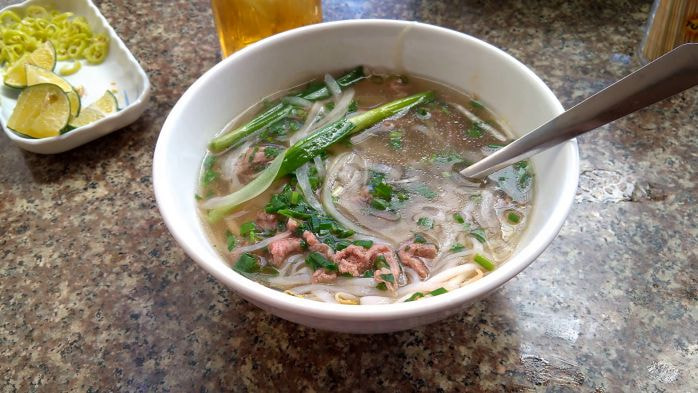
During my journey through Northern Vietnam, I made it a mission to explore the most iconic vietnam noodle dishes traditionally enjoyed in the morning. Each bowl told a story—not just of food, but of culture, memory, and everyday life. Below is my personal review and experience of the most authentic Northern-style vietnam noodle breakfasts that you should never miss.
Phở Bò – The Timeless Icon of Vietnam Noodle Culture
If there is one vietnam noodle dish that truly represents Vietnam on the global culinary map, it is without question Phở Bò, the iconic Vietnamese beef noodle soup. More than just a meal, Phở Bò is a symbol of national identity, a daily ritual, and a shared memory for millions of people across the country. To understand Vietnam, one must first understand its phở—and more specifically, the northern-style Phở Bò.
First Impressions: A Morning in Hanoi
My first encounter with Phở Bò happened on a cool, misty morning in Hanoi. The city was just beginning to wake up. Motorbikes hummed softly in the distance, vendors arranged their stalls, and the air carried the unmistakable aroma of simmering broth.
I sat down on a low plastic stool beside a narrow sidewalk stall. In front of me, the phở vendor moved with calm confidence. Every action—from blanching the rice noodles, slicing the beef paper-thin, to ladling the steaming broth—felt practiced, precise, and almost ceremonial. There was no rush, no wasted movement. This was not fast food. This was vietnam noodle culture in its purest form, passed down through generations.
Even before the first bite, the experience felt deeply personal and grounding, as if I was being quietly welcomed into a tradition far older than myself.
The Soul of Phở: Broth That Speaks Volumes
The true heart of Phở Bò lies in its broth. Clear, amber-colored, and shimmering with warmth, the broth is a testament to patience and restraint. Made by slow-simmering beef bones for hours—sometimes overnight—it extracts every ounce of natural sweetness without becoming heavy or greasy.
Northern-style Phở Bò broth is delicately seasoned with roasted ginger, onion, cinnamon, star anise, cloves, and other traditional spices. The balance is subtle. Nothing overpowers. Every sip feels clean yet deeply aromatic, light yet profoundly savory.
This is where vietnam noodle philosophy shines: flavor should whisper, not shout.
Texture, Balance, and Simplicity
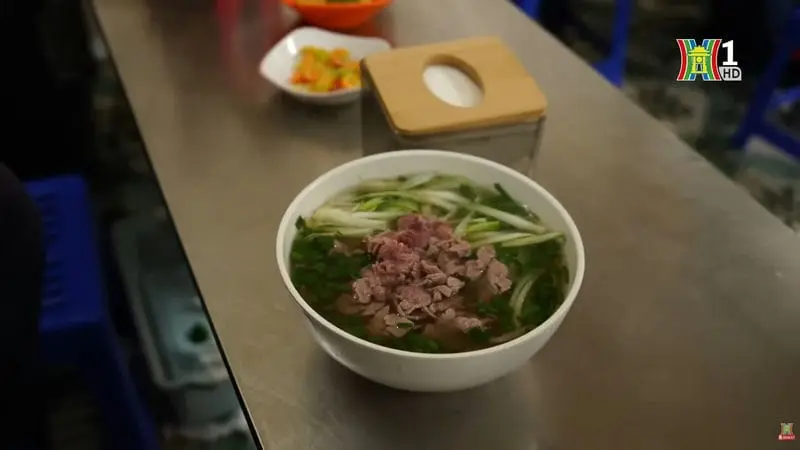
Thin slices of raw beef—usually sirloin or brisket—are gently cooked by the hot broth as it’s poured over the bowl. The beef remains tender, slightly pink, and incredibly juicy.
The rice noodles are soft but elastic, providing just the right chew without becoming mushy. Fresh herbs like scallions and coriander add brightness and lift, while optional condiments such as chili, lime, or vinegar allow diners to personalize their bowl.
Yet, even with these additions, traditionalists often prefer their Phở Bò almost untouched—trusting the broth to do all the talking.
In this moment, you realize: this is vietnam noodle at its most refined. No extravagance. No excess. Just technique, patience, and respect for ingredients.
Why Phở Bò Is the Perfect Vietnam Noodle Breakfast
Phở Bò is light enough to energize the body yet satisfying enough to carry you through the morning. It warms you from the inside, sharpens your senses, and somehow makes the day feel more optimistic.
That’s why, across Hanoi and Northern Vietnam, phở shops open before sunrise and sell out by mid-morning. For locals, starting the day without a bowl of phở feels incomplete.
In the world of vietnam noodle breakfasts, Phở Bò isn’t just popular—it’s essential.
Bún Thang – The Most Elegant Vietnam Noodle You’ll Ever Taste
If Phở Bò is the face of vietnam noodle culture, Bún Thang is its quiet intellectual—the dish that doesn’t seek attention but rewards those who pay attention.
A Bowl That Feels Like Art
Often described as one of the most sophisticated vietnam noodle dishes in Northern Vietnam, Bún Thang is a masterpiece of balance, precision, and restraint. At first glance, the bowl itself is visually captivating.
Fine white rice noodles form the base, topped with neatly arranged strips of shredded chicken, thinly sliced omelet, Vietnamese pork sausage (giò lụa), dried shrimp floss, and fresh herbs. Each ingredient is placed with intention, almost like brushstrokes on a canvas.
Nothing is random. Nothing is excessive.
The Broth: Quietly Complex
What surprised me most about Bún Thang was the broth. Unlike the bold, beefy richness of Phở Bò, Bún Thang’s broth is incredibly clear, light, and fragrant.
Traditionally made from chicken and pork bones, the broth is sometimes enhanced with dried shrimp or a subtle hint of fermented shrimp paste. The result is a flavor that is gentle yet layered, delicate yet deeply satisfying.
Each sip feels like a whisper rather than a shout—a refined expression of vietnam noodle craftsmanship.
A True Test of Culinary Skill
Locals often say that Bún Thang is one of the hardest vietnam noodle dishes to cook properly. With nearly 20 ingredients involved, precision is everything. One ingredient out of balance can ruin the entire bowl.
The chicken must be tender but not dry. The omelet sliced thin but not rubbery. The broth hot but never cloudy. Every element must harmonize.
As a vietnam noodle experience, Bún Thang is not about indulgence—it’s about appreciation. It encourages you to slow down, taste carefully, and respect the culinary discipline behind it.
This is a dish for those who love nuance, subtlety, and quiet beauty.
Bún Mọc – A Comforting Vietnam Noodle from a Hanoi Village
Moving from elegance to warmth, Bún Mọc offers a completely different vietnam noodle experience—homely, comforting, and deeply reassuring.
Origins and Atmosphere
Bún Mọc originates from Mọc Village (Nhân Mục), now part of modern Hanoi. Despite urban development, the dish has retained its village soul.
I first tried Bún Mọc in a small family-run shop tucked away from the busy streets. The owner greeted customers like old friends, and the atmosphere felt intimate and unpretentious—exactly what you’d expect from a dish rooted in community.
What Makes Bún Mọc Special?
The star of Bún Mọc is its pork meatballs, known as “mọc.” Made from finely ground pork mixed with wood ear mushrooms and traditional spices, these meatballs are soft, juicy, and fragrant.
The broth, made from pork bones and sometimes chicken, is clear yet rich, offering a gentle sweetness that pairs beautifully with the meatballs.
A typical bowl may also include slices of pork ribs, chicken meat, cinnamon pork sausage, and plenty of fresh herbs.
This vietnam noodle dish doesn’t try to impress—it simply comforts.
Why Locals Love It for Breakfast
Bún Mọc is filling without being heavy. It’s easy to eat, easy to digest, and perfect for slow mornings when you want something nourishing but gentle.
Every spoonful feels like a warm hug—a reminder that vietnam noodle culture isn’t only about refinement or complexity, but also about care, familiarity, and home.
In the landscape of vietnam noodle breakfasts, Bún Mọc stands as the ultimate comfort food.
Final Reflection: Three Bowls, One Culture
After days of wandering through Northern Vietnam with one mission in mind—eating as many traditional noodle breakfasts as possible—I began to realize something profound: vietnam noodle dishes are far more than meals. They are expressions of philosophy, reflections of regional identity, and quiet storytellers of a culture shaped by history, restraint, and harmony.
Through Phở Bò, Bún Thang, and Bún Mọc, I encountered three very different bowls of vietnam noodle, yet all spoke the same language of balance and intention.
Phở Bò represents equilibrium and national pride.
Bún Thang embodies elegance, patience, and culinary discipline.
Bún Mọc offers warmth, familiarity, and emotional comfort.
Each bowl reflects a different side of Northern Vietnam, yet they all share the same core values: simplicity over excess, harmony over intensity, and deep respect for tradition.
To eat vietnam noodle in the morning is to participate in a daily ritual that connects past and present, vendor and diner, food and memory. Sitting on low stools, breathing in the steam rising from the bowl, you are no longer just a customer—you are part of a living tradition.
And once you’ve experienced it firsthand, you understand why these humble bowls carry such extraordinary meaning for the Vietnamese people.
Bún Riêu Cua – Rustic and Bold Vietnam Noodle at Its Best
Among all the vietnam noodle dishes I tried during my journey, Bún Riêu Cua left the strongest emotional impression. Where other northern noodle soups are gentle and restrained, Bún Riêu Cua is unapologetically bold. It doesn’t whisper—it speaks clearly, confidently, and from the heart.
This is vietnam noodle in its most expressive and rustic form.
A Dish Rooted in Tradition and Rural Life
Bún Riêu Cua is a dish deeply rooted in Vietnam’s rural past. Long before modern markets and imported ingredients, people relied on what nature provided—freshwater crabs from rivers and rice fields, tomatoes from home gardens, herbs growing wild along village paths.
Passed down through generations, this dish reflects the essence of traditional Vietnamese cooking: resourceful, honest, and deeply connected to the land.
Unlike polished city dishes, Bún Riêu Cua embraces imperfection. Each bowl is slightly different, depending on the cook’s hand and the ingredients of the day. And that is exactly where its charm lies.
The Broth That Refuses to Be Ignored
What immediately sets Bún Riêu Cua apart from other northern vietnam noodle broths is its distinctive tangy profile. Instead of relying solely on bone sweetness, the broth is infused with giấm bỗng—a fermented rice vinegar that adds a gentle sourness and unmistakable aroma.
The base of the broth comes from freshwater crabs, carefully cleaned, ground, strained, and cooked to extract both delicate crab meat and rich golden crab roe. This process is labor-intensive and requires experience; one careless step can ruin the entire pot.
When done right, the result is extraordinary. The broth is robust, aromatic, slightly sour, and deeply savory—layered with flavors that linger long after the last spoonful.
This is not a timid vietnam noodle broth. It is confident, complex, and unforgettable.
Layers of Flavor and Texture in Every Bite
A proper bowl of Bún Riêu Cua is a celebration of contrasts. Soft rice noodles sit beneath floating crab cakes, silky tofu cubes, ripe tomatoes, and sometimes slices of pork. On the side comes a generous plate of fresh herbs, shredded banana blossoms, and water spinach.
As you eat, each bite changes. One moment you taste sweetness from the crab, the next a bright sour note from the broth, followed by herbal freshness and savory depth.
This constant interplay of textures and flavors creates an explosion of sensations. It’s messy, vibrant, and alive—everything that vietnam noodle cuisine can be when it fully embraces its roots.
A Vietnam Noodle Breakfast That Wakes You Up
If Phở Bò gently wakes your senses and Bún Mọc comforts you into the day, Bún Riêu Cua shakes you awake.
This is a breakfast for those who want energy, intensity, and character. It’s bold without being overwhelming, complex without being confusing.
For many locals, Bún Riêu Cua is the vietnam noodle they crave when they want something that feels real—something that reminds them of home, countryside kitchens, and family meals.
It’s no surprise that once people fall in love with Bún Riêu Cua, they remain loyal for life.
Why Vietnam Noodle Breakfasts Are So Special
After days of exploring Northern Vietnam through its noodle bowls, one truth became impossible to ignore: vietnam noodle is not just food—it is a way of life.
In Vietnam, breakfast is not rushed. It is not eaten in cars or while walking. It is a moment of pause before the day begins. And vietnam noodle dishes are perfectly designed for this rhythm of life.
Every Bowl Tells a Story
Each morning bowl of vietnam noodle reflects:
- The region’s climate and ingredients, shaped by geography and seasons
- Generational cooking techniques, refined and preserved over decades
- The Vietnamese philosophy of balance and harmony, where no flavor dominates
These bowls are not created to impress tourists. They exist because they work—nutritionally, emotionally, and culturally.
What Makes Vietnam Noodle Dishes Unique
Vietnam noodle breakfasts are:
- Nutritious but not heavy
- Flavorful but not overwhelming
- Simple yet deeply meaningful
They provide warmth without fatigue, satisfaction without excess. They fuel the body while calming the mind.
Unlike many breakfast foods around the world, vietnam noodle dishes are complete meals—balanced in protein, carbohydrates, herbs, and broth. They nourish both body and spirit.
A Shared Morning Ritual
Perhaps the most beautiful thing about vietnam noodle breakfasts is how they bring people together.
Office workers sit beside construction laborers. Elderly locals share tables with young travelers. Everyone eats the same food, from the same pot, at the same time of day.
There are no reservations, no dress codes, no hierarchy—just bowls of noodles and the quiet understanding that this is how the day should begin.
In these moments, vietnam noodle becomes more than cuisine. It becomes community.
Closing Thoughts: More Than Just Noodles
To outsiders, a bowl of vietnam noodle may look simple—broth, noodles, toppings. But to those who truly experience it, it represents something far greater.
It represents patience in preparation.
It represents respect for ingredients.
It represents continuity in a rapidly changing world.
Whether it’s the balance of Phở Bò, the elegance of Bún Thang, the comfort of Bún Mọc, or the boldness of Bún Riêu Cua, each bowl offers a different lens through which to understand Vietnam.
And perhaps that is why vietnam noodle culture endures so strongly. Because in every bowl, there is history. In every spoonful, there is intention. And in every morning ritual, there is a quiet celebration of life itself.
Final Thoughts: Start Your Day the Northern Vietnam Way
Imagine waking up early, stepping into the cool morning air, and sitting down to a steaming bowl of vietnam noodle. The broth warms your hands, the aroma fills your senses, and the first spoonful instantly grounds you in the present moment.
Whether it’s:
- The timeless comfort of Phở Bò
- The refined elegance of Bún Thang
- The gentle warmth of Bún Mọc
- Or the bold soul of Bún Riêu Cua
Each vietnam noodle dish offers a unique experience—yet they all share the same essence: authenticity, care, and heart.
If you ever find yourself in Northern Vietnam, do as the locals do. Wake up early. Follow the scent of simmering broth. Sit down, slow down, and let a bowl of vietnam noodle guide you into the day.
Because in Vietnam, the best journeys often begin with a bowl of noodles.