A Personal Travel Review of Sapa Vietnam Weather Through All Four Seasons
If you are planning a trip to northern Vietnam, chances are Sapa is already on your bucket list. Nestled in the Hoàng Liên Sơn mountain range, Sapa is famous for its dramatic terraced rice fields, ethnic minority villages, misty valleys, and cool mountain climate. However, one of the most common questions travelers ask is: when is the best time to visit Sapa?
You May Also Like:
Based on my personal travel experience and a deep dive into Sapa Vietnam weather, the most beautiful and comfortable time to travel to Sapa is spring (March to May) and autumn (September to November). That said, each season in Sapa offers a completely different experience. In this article, I will walk you through Sapa Vietnam weather across all four seasons, sharing what I saw, felt, and experienced, so you can decide which time suits you best.
Overview: Sapa Vietnam Weather by Season
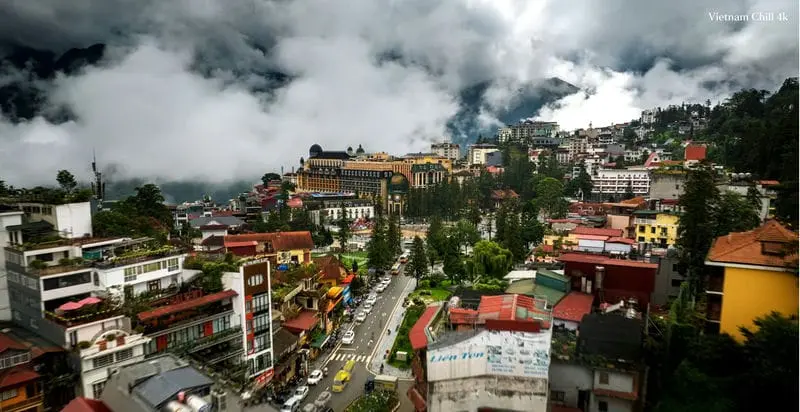
Sapa has a subtropical highland climate, which means the weather is much cooler than most destinations in Vietnam. Even in summer, temperatures remain pleasant, while winters can be surprisingly cold, sometimes even dropping below zero.
Here is a quick overview of Sapa Vietnam weather throughout the year:
- Spring (March–May): Mild temperatures, blooming flowers, farming season
- Summer (June–August): Cool retreat from the heat, lush green landscapes
- Autumn (September–November): Golden rice terraces, dry weather, best scenery
- Winter (December–February): Cold, foggy, occasional frost or snow
Now, let’s explore each season in detail.
Spring in Sapa (March to May): Flowers, Fresh Air, and a Gentle Awakening
Among all seasons, spring is often considered one of the most beautiful times to experience Sapa Vietnam weather. From March to May, Sapa slowly wakes up from winter, revealing a landscape filled with blossoms, soft sunlight, and a refreshing mountain atmosphere that feels both calm and energizing.
Overall Sapa Vietnam Weather in Spring
During spring, Sapa Vietnam weather is mild, cool, and highly comfortable. Average temperatures range from 15°C to 18°C, sometimes slightly lower in the early morning and evening. Unlike the humid heat found in lowland cities, Sapa’s spring climate feels clean and breathable, making it ideal for outdoor activities.
Humidity remains moderate, rainfall is low compared to summer, and fog often appears in the early morning, adding a mysterious charm to the mountain town. As the sun rises, the mist slowly lifts, revealing terraced hills and distant peaks.
My Personal Experience Visiting Sapa in Spring
I arrived in Sapa in early April, a time when Sapa Vietnam weather truly feels balanced. The first thing I noticed was the air—it was noticeably cooler, fresher, and lighter than anywhere else I had traveled in Vietnam.
Mornings were slightly cold, with a thin layer of mist covering the town. Walking through the streets at sunrise felt peaceful and almost meditative. By late morning, the sun appeared, warming the air just enough to make it comfortable without feeling hot. Afternoons were bright and pleasant, perfect for walking, sightseeing, or sitting at a café overlooking the mountains.
Evenings cooled down again, but never uncomfortably cold. A light jacket was more than enough. This consistent and gentle Sapa Vietnam weather made every day feel relaxed and unhurried.
Spring Flowers: A Highlight of Sapa Vietnam Weather
One of the most memorable aspects of spring in Sapa is the flower season. Thanks to favorable Sapa Vietnam weather, peach blossoms and plum flowers bloom across villages, hillsides, and roadsides.
Soft pink peach flowers and pure white plum blossoms create a dreamlike atmosphere, especially in ethnic villages such as Cat Cat, Ta Van, and Lao Chai. These flowers are not just decorative—they reflect the rhythm of nature and local life.
However, it’s important to note that flower blooming depends heavily on yearly Sapa Vietnam weather patterns. Some years, flowers bloom earlier; other years, they appear later. Checking local weather updates and bloom forecasts before planning your trip is highly recommended.
Farming Season and Rice Terraces in Spring
Spring also marks the beginning of the farming cycle in Sapa. From April to May, locals start preparing the fields, plowing the land, and sowing rice seedlings. This period offers one of the most authentic cultural experiences tied closely to Sapa Vietnam weather.
I spent hours watching farmers working barefoot in shallow, water-filled rice terraces. The fields reflected the sky like mirrors, creating breathtaking scenery that photographers love. Unlike the golden rice season in autumn, spring terraces feel raw, fresh, and deeply connected to daily life.
The combination of mild Sapa Vietnam weather, human activity, and natural beauty made this experience incredibly meaningful.
Why Spring Is a Great Time to Visit Sapa
Spring stands out as an ideal season because it offers balance—between cool and warm, calm and vibrant, nature and culture.
Reasons to visit Sapa in spring:
- Pleasant and stable Sapa Vietnam weather
- Blooming peach and plum flowers
- Ideal conditions for trekking and village exploration
- Authentic farming activities and cultural encounters
- Excellent photography opportunities
Summer in Sapa (June to August): A Cool Mountain Escape
Many travelers hesitate to visit Vietnam during summer due to heat and humidity. However, Sapa Vietnam weather in summer tells a completely different story. Instead of extreme heat, Sapa offers cool temperatures, lush greenery, and refreshing mountain air.
Is Sapa Hot in Summer?
The short answer is no. Summer Sapa Vietnam weather is surprisingly comfortable. Daytime temperatures usually range from 25°C to 28°C, while nighttime temperatures drop to 14°C–16°C.
Compared to Hanoi or Ho Chi Minh City, where summer temperatures can exceed 35°C, Sapa feels like a natural air-conditioned retreat. Even during the warmest hours of the day, the heat is never overwhelming.
When I visited Sapa in July, I was amazed by how refreshing it felt. The days were warm but not stifling, and evenings were cool enough to enjoy long walks without discomfort.
Rainfall and Summer Sapa Vietnam Weather
Summer is also the rainy season in Sapa, but rainfall patterns are often misunderstood. While Sapa Vietnam weather does include rain during these months, it rarely rains all day.
Most rain showers are short and intense, usually occurring in the late afternoon or evening. Mornings are often clear and bright, leaving plenty of time for trekking, sightseeing, and outdoor activities.
In fact, the rain plays a vital role in shaping Sapa’s summer beauty.
Nature at Its Greenest
Thanks to summer rainfall and favorable Sapa Vietnam weather, the landscape turns incredibly green. Rice terraces stretch endlessly across mountain slopes, forests appear thick and vibrant, and valleys feel alive with energy.
Waterfalls such as Silver Waterfall and Love Waterfall become more powerful and dramatic, making summer one of the best seasons for nature lovers.
Hiking through villages during this time felt immersive. The air was fresh after rain, the mountains looked deeper in color, and the scenery constantly changed with the light and clouds.
Summer Activities and Trekking
Despite rain concerns, summer remains an excellent time for trekking if planned wisely. Early morning treks are especially enjoyable, as the weather is cool and visibility is often clear.
The moderate Sapa Vietnam weather makes long walks less tiring, even for beginners. Just be sure to wear proper shoes, as trails can become slippery after rain.
Seasonal Fruits in Summer
Another unexpected joy of summer travel is fruit season. From late May to mid-June, Sapa’s local fruits reach peak ripeness.
During my trip, I enjoyed:
- Fresh mountain plums
- Juicy local peaches
- Wild strawberries, known locally as mountain berries
These fruits taste noticeably fresher and more flavorful due to the cool Sapa Vietnam weather and natural growing conditions.
Why Visit Sapa in Summer?
Summer is often underrated, but it offers a unique and rewarding experience.
Reasons to visit Sapa in summer:
- Cool and refreshing Sapa Vietnam weather
- Lush green landscapes at their peak
- Powerful waterfalls and vibrant forests
- Fewer crowds compared to peak seasons
- Fresh seasonal fruits and relaxed atmosphere
Autumn in Sapa (September to November): The Most Beautiful Season of the Year
If someone were to ask me just one question—“When is the best time to visit Sapa?”—my answer would be immediate and confident: autumn. After experiencing multiple seasons in northern Vietnam, I can say without hesitation that autumn offers the most balanced, visually stunning, and emotionally satisfying version of Sapa Vietnam weather.
From September to November, Sapa transforms into a masterpiece shaped by nature, light, and climate. This season combines golden rice fields, cool mountain air, clear skies, and just enough mist to keep the scenery magical without limiting visibility.
Overview of Sapa Vietnam Weather in Autumn
Autumn marks the transition from the rainy summer into the colder winter months. During this time, Sapa Vietnam weather becomes noticeably drier, more stable, and exceptionally comfortable for travel.
- Average temperatures: 15–20°C
- Humidity: Moderate and pleasant
- Rainfall: Low compared to summer
- Visibility: High, especially from mid-September onward
Days are cool but not cold, nights are crisp without being harsh, and the air feels clean and refreshing. Unlike summer, where sudden rain showers can interrupt plans, autumn in Sapa offers consistency—making it ideal for trekking, photography, and outdoor exploration.
Golden Rice Terraces: The Icon of Autumn in Sapa
One of the main reasons autumn is considered the best season is the rice harvest. Thanks to favorable Sapa Vietnam weather, rice terraces across the region reach peak ripeness from mid to late September.
As I traveled through Muong Hoa Valley, Ta Van, Lao Chai, and nearby villages, I was surrounded by endless layers of golden rice fields cascading down mountain slopes. The terraces curve naturally with the landscape, creating wave-like patterns that shift in color depending on the light.
In the early morning, the fields glowed softly under a pale sun. By midday, the gold became vibrant and intense. Toward sunset, the terraces reflected warm orange and amber tones, making every viewpoint feel cinematic.
This visual experience is deeply tied to Sapa Vietnam weather—dry air, clear skies, and mild temperatures allow the colors to appear sharper and more saturated than at any other time of year.
Hiking and Village Exploration in Perfect Conditions
Autumn offers the best conditions for hiking in Sapa. Trails are dry, visibility is excellent, and the cool Sapa Vietnam weather prevents fatigue even during long walks.
I spent hours hiking between villages, often losing track of time. The weather never felt too warm, even when walking uphill, and the absence of rain meant muddy paths were no longer a concern.
Local villagers were busy harvesting rice, carrying bundles through narrow paths, or drying crops in front of wooden houses. The rhythm of daily life felt calm yet purposeful, and the pleasant Sapa Vietnam weather made interactions and long walks genuinely enjoyable.
Photography in Autumn: No Filters Needed
If photography is part of your travel style, autumn is unmatched. The combination of golden fields, blue skies, and soft mountain light creates natural contrast that requires little to no editing.
I found myself stopping constantly—sometimes every few minutes—just to take photos. Every angle offered a new composition: rice terraces framed by clouds, farmers silhouetted against golden hills, mist drifting slowly through valleys.
The stability of Sapa Vietnam weather during autumn ensures consistent lighting throughout the day, which is rare in mountainous regions. This makes it easier to plan sunrise and sunset shoots without worrying about sudden weather changes.
October to November: Cooler Air and Flowing Waterfalls
As autumn progresses into October and November, Sapa Vietnam weather gradually cools. Temperatures begin to drop slightly, especially at night, but remain comfortable during the day.
This period is also when waterfalls become particularly impressive. Thanks to water accumulated during the rainy season, waterfalls such as Silver Waterfall and Love Waterfall flow strongly, creating powerful and dramatic scenes.
The cooler air enhances the sensory experience—standing near a waterfall, you feel the mist on your skin while breathing in fresh mountain air. The sound of rushing water echoes through valleys, adding to the sense of scale and natural beauty.
Sea of Clouds: A Signature of Late Autumn
One of the most magical aspects of late autumn Sapa Vietnam weather is the appearance of sea-of-clouds (cloud inversion), especially in October and November.
Early mornings often begin with thick clouds rolling through valleys and surrounding the town. From higher viewpoints, it feels as if Sapa is floating above a white ocean. Mountains emerge like islands, and the town slowly reveals itself as the sun rises.
I remember waking up before sunrise, stepping onto a balcony, and watching the entire valley below disappear beneath moving clouds. The silence, broken only by distant sounds, created a surreal and unforgettable moment.
This phenomenon is highly dependent on stable Sapa Vietnam weather, which is why autumn is the best time to witness it.
Cultural Experiences Enhanced by Autumn Weather
Cultural exploration feels more immersive in autumn. With comfortable Sapa Vietnam weather, it’s easier to spend time outdoors—visiting local markets, attending village gatherings, or simply sitting and observing daily life.
Ethnic markets are especially vibrant during this season. Locals travel from surrounding villages to trade goods, food, and textiles. The cool weather allows for longer visits without exhaustion, and the festive atmosphere feels more pronounced under clear autumn skies.
What to Wear in Autumn in Sapa
Thanks to mild Sapa Vietnam weather, packing for autumn is relatively simple:
- Light jacket or sweater for mornings and evenings
- Long-sleeve shirts for daytime activities
- Comfortable hiking shoes
- Scarf or thin outer layer for cooler nights
There’s no need for heavy winter clothing yet, but layering is recommended due to temperature changes between day and night.
Why Autumn Is the Best Time to Visit Sapa
After experiencing Sapa in different seasons, autumn stands out as the most complete and rewarding.
Reasons to visit Sapa in autumn:
- The most stable and pleasant Sapa Vietnam weather
- Golden rice terraces at peak beauty
- Minimal rainfall and clear skies
- Ideal conditions for trekking and photography
- Sea-of-clouds phenomenon in late autumn
- Cooler temperatures without harsh cold
Final Thoughts on Autumn and Sapa Vietnam Weather
Autumn in Sapa feels like nature at its most generous. Everything aligns—the weather, the landscape, the cultural rhythm, and the atmosphere. Sapa Vietnam weather during this season allows you to slow down, explore deeply, and truly appreciate the region’s beauty without distraction.
If you’re planning a trip and can only choose one season, autumn is the answer. It is not just the most beautiful time to visit Sapa—it is the season when Sapa feels most like itself.
Winter in Sapa (December to February): Cold, Misty, and Utterly Magical
Winter in Sapa is not a season that appeals to every traveler. It is cold, unpredictable, and sometimes uncomfortable. Yet for those willing to embrace the chill, winter reveals a side of Sapa that feels raw, poetic, and deeply memorable. More than any other time of year, Sapa Vietnam weather in winter transforms the town into a place of mystery and quiet beauty.
Unlike the golden warmth of autumn or the floral freshness of spring, winter in Sapa is about atmosphere. It is about fog-covered streets, silent mountains, and moments of stillness that stay with you long after the trip ends.
Overview of Sapa Vietnam Weather in Winter
From December to February, Sapa Vietnam weather enters its coldest phase. This period is influenced by northern cold fronts that sweep down from China, bringing low temperatures, dense fog, and occasional frost.
- Average daytime temperatures: 8–12°C
- Nighttime temperatures: 0–5°C
- Extreme cold waves: Below 0°C in some areas
- Weather conditions: Fog, drizzle, frost, and occasionally snow
This is the only time of year when Sapa truly feels like a high-mountain town. The cold is dry and biting, especially in the early morning and after sunset.
My Personal Experience Visiting Sapa in Winter
I visited Sapa in January, during one of the colder weeks of the season. From the moment I stepped off the bus, the difference in Sapa Vietnam weather was undeniable.
The air felt sharp and heavy with moisture. Thick fog wrapped around the town, reducing visibility to just a few meters. Buildings emerged and disappeared as I walked, and even familiar streets felt unfamiliar.
Despite the cold, there was something deeply calming about the atmosphere. The town was quieter than usual, with fewer tourists and slower movement. Cafés felt warmer, conversations felt softer, and time seemed to move at a different pace.
How Cold Is Sapa in Winter, Really?
Many travelers underestimate winter Sapa Vietnam weather, assuming it will be similar to cool evenings elsewhere in Vietnam. In reality, winter in Sapa can feel genuinely cold—especially for those unaccustomed to low temperatures.
During my stay:
- Mornings were often close to freezing
- Breath was visible when stepping outside
- Fingers went numb quickly without gloves
- Indoor heating was limited in many places
At night, the cold intensified. Without proper thermal clothing, the chill penetrated deeply. However, with the right preparation, the cold became manageable—and even enjoyable.
Fog and Mist: The Defining Feature of Winter
Fog is the most consistent and defining characteristic of winter Sapa Vietnam weather. It often lingers all day, sometimes lifting briefly in the afternoon before returning in the evening.
The fog softens everything—mountains, houses, trees—creating a dreamlike, almost cinematic environment. While it may limit panoramic views, it adds emotional depth and atmosphere that no other season offers.
Walking through fog-covered streets felt like stepping into another world. Sounds were muted, colors faded, and the landscape became abstract and artistic.
Does It Snow in Sapa?
Snow in Sapa is rare, but not impossible. It does not occur every winter and depends entirely on severe cold waves when Sapa Vietnam weather drops below freezing for extended periods.
When snow does fall, it is usually light and short-lived. However, during exceptional years, snowfall can be significant enough to cover rooftops, trees, and mountain paths.
During such moments, Sapa becomes a winter fairytale—something completely unexpected in a tropical country. Images of snow-covered rice terraces and frozen roads attract visitors from across Vietnam.
Although I did not experience snowfall during my trip, locals shared stories and photos from previous years. The excitement around snow events reflects how extraordinary this phenomenon is in Vietnam.
Frost and Ice: More Common Than Snow
While snow is rare, frost is more common during winter Sapa Vietnam weather. Early mornings often reveal thin layers of ice on grass, rooftops, and wooden fences.
Frost creates shimmering landscapes under early sunlight, adding another layer of beauty to winter scenery. However, icy conditions can make roads and trails slippery, requiring extra caution.
What to Pack for Winter in Sapa
Preparation is essential when traveling during winter. Based on my experience, proper clothing can make the difference between discomfort and enjoyment.
Essential winter items:
- Thick insulated jacket
- Thermal base layers
- Gloves, scarf, and wool hat
- Warm socks
- Non-slip, waterproof shoes
Many accommodations provide blankets, but indoor heating is often limited. Choosing warm clothing ensures you can fully appreciate winter Sapa Vietnam weather without constantly battling the cold.
Winter Activities and Experiences
While winter limits some outdoor activities, it enhances others.
Café Culture
Cold Sapa Vietnam weather makes café-hopping incredibly enjoyable. Sitting by a window with a hot cup of coffee or tea, watching fog drift past, became one of my favorite daily rituals.
Local Markets
Winter markets feel more intimate. Vendors bundle up in thick clothing, steam rises from food stalls, and the smell of hot soups fills the air.
Quiet Village Walks
Fewer tourists mean villages feel more authentic. Although trekking routes may be slippery, short walks still offer meaningful encounters and peaceful scenery.
Fewer Tourists, Deeper Experience
One of the biggest advantages of winter is the lack of crowds. Compared to autumn or spring, winter Sapa Vietnam weather discourages mass tourism.
This creates a slower, more personal travel experience. Hotels are quieter, viewpoints are uncrowded, and interactions with locals feel more genuine.
Why Visit Sapa in Winter?
Winter is not about sightseeing perfection—it is about emotion and atmosphere.
Reasons to visit Sapa in winter:
- Unique cold-climate Sapa Vietnam weather
- Rare chance to see frost or snow
- Misty, cinematic landscapes
- Peaceful environment with fewer tourists
- A completely different side of Vietnam
Final Thoughts: So, When Should You Visit Sapa?
After experiencing Sapa Vietnam weather across different seasons, here is my conclusion:
- Best overall time: September to November (autumn)
- Best for flowers and culture: March to May (spring)
- Best summer escape: June to August
- Best for unique cold scenery: December to February
No matter when you visit, Sapa always offers something special. The changing Sapa Vietnam weather ensures that every season tells a different story—one filled with nature, culture, and unforgettable moments.