Among the many coffee traditions that define Vietnam’s rich café culture, egg coffee Vietnam stands apart as one of the most distinctive, surprising, and memorable. Often described by international travelers as a “legendary drink” or a “must-try experience in Hanoi,” egg coffee Vietnam is far more than a novelty. It is a story of creativity, resilience, and deep cultural identity expressed through taste.
You May Also Like:
At first glance, the idea of combining coffee with egg may seem unusual, even puzzling. Yet the moment the cup reaches your hands—warm, fragrant, topped with a thick, golden layer of velvety egg cream—the skepticism fades. One sip is enough to understand why egg coffee Vietnam has captivated not only local coffee lovers, but also global media outlets and specialty coffee communities around the world.
In this article, Coffee Concept invites you to experience egg coffee Vietnam from the inside out: its origins, its preparation, the barista techniques behind a perfect cup, the ideal coffee beans to use, and the strategic moments when this drink shines brightest on a seasonal menu.
The Origins of Egg Coffee Vietnam: Creativity Born from Scarcity
The story of egg coffee Vietnam is inseparable from the story of Hanoi itself—a city shaped by resilience, adaptation, and quiet ingenuity. To understand why this drink exists, and why it has endured, one must return to the Hanoi of the 1940s, a time marked by economic uncertainty, limited resources, and profound social change.
During this period, Vietnam faced severe shortages of imported goods, including dairy products. Milk, which had become a staple ingredient in many Western-style coffee preparations introduced during the colonial era, was scarce and prohibitively expensive. For cafés and households alike, replicating the creamy texture and mellow richness of milk-based coffee drinks became increasingly difficult.
Yet it was precisely within these constraints that the foundation of egg coffee Vietnam was laid.
Faced with the absence of milk, a resourceful bartender in Hanoi began searching for a substitute—something accessible, nourishing, and capable of delivering richness without overpowering coffee’s natural intensity. The answer, remarkably, was already present in most kitchens: egg yolk.
At first glance, the idea may seem unconventional. Eggs were not traditionally associated with coffee. But when fresh egg yolks were whisked vigorously with sugar and condensed milk, something transformative happened. The mixture became thick, airy, and glossy, resembling a custard-like foam that mirrored the mouthfeel of steamed milk or cream.
When this golden foam was gently layered over a cup of strong, hot coffee, the result was unexpected and extraordinary. The bitterness of the coffee cut through the richness of the egg cream, while the cream softened the sharp edges of the brew. This improvised solution—born not from luxury, but necessity—gave rise to what we now recognize as egg coffee Vietnam.
What began as a practical workaround quickly revealed itself as something far more significant. Customers were drawn not only to the taste, but to the experience. The drink felt indulgent in a time of scarcity, comforting without being excessive. Word spread, techniques improved, and the recipe evolved from an improvised mixture into a refined craft.
Over the decades, egg coffee Vietnam transitioned from a substitute to a signature. Cafés began to perfect their methods, paying closer attention to egg freshness, whipping technique, sugar balance, and coffee strength. The drink became a point of pride, a symbol of Hanoi’s café culture, and eventually a culinary marker of the city itself.
Today, egg coffee Vietnam is no longer viewed as a product of hardship. Instead, it is celebrated as an emblem of Vietnamese creativity—proof that limitations can inspire innovation rather than suppress it.
This enduring legacy has not gone unnoticed. International media outlets such as CNN, BuzzFeed, and The Guardian have repeatedly highlighted egg coffee Vietnam as one of the most iconic beverages travelers must try when visiting the country. Yet despite global recognition and growing popularity abroad, the drink remains deeply rooted in its birthplace.
There is something about drinking egg coffee Vietnam in Hanoi—often in small, unassuming cafés—that cannot be fully replicated elsewhere. The atmosphere, the pace, the cultural context all contribute to its authenticity. Even as the drink travels beyond Vietnam’s borders, its soul remains firmly anchored in the narrow streets and quiet corners of the capital.
What Is Egg Coffee Vietnam—and Why Is It So Special?
At its essence, egg coffee Vietnam is a study in contrast. It is defined not by complexity of ingredients, but by precision of balance. The drink consists of two primary elements: a concentrated coffee base and a thick layer of whipped egg cream. Individually, these components are powerful. Together, they form a harmony that feels both indulgent and deliberate.
The coffee beneath is typically strong—often brewed using Robusta beans or a balanced blend chosen for intensity rather than subtle acidity. Its role is structural. Without sufficient strength, the coffee would disappear beneath the richness of the egg cream. In egg coffee Vietnam, the coffee must assert itself.
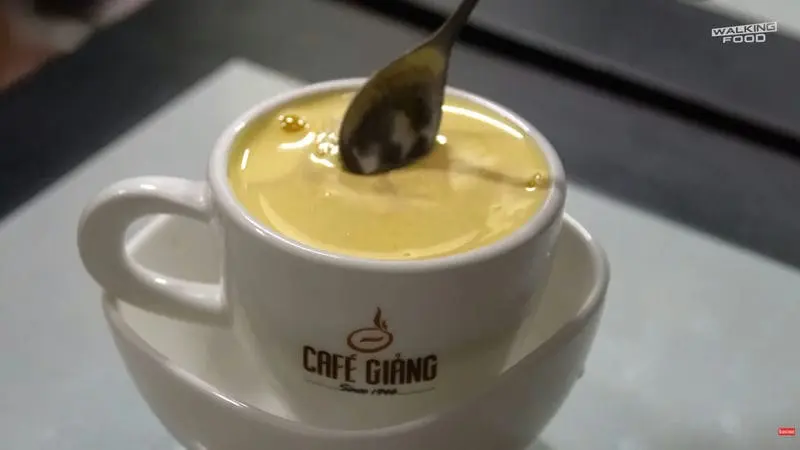
Above this base floats the egg cream: light yet dense, sweet yet restrained, glossy and smooth. Properly prepared, it resembles a warm custard or zabaglione, offering a luxurious texture that contrasts sharply with the sharp bitterness below.
The first sip often defies expectations. Many first-time drinkers approach egg coffee Vietnam with curiosity mixed with skepticism. But the moment the flavors meet on the palate, the hesitation dissolves. The cream delivers immediate warmth and sweetness, followed by the grounding bitterness of coffee. Rather than competing, the two elements enhance one another.
What emerges is a rounded, dessert-like experience—rich without being cloying, bold without being harsh. It is this careful balance that elevates egg coffee Vietnam beyond novelty and into the realm of enduring tradition.
What truly distinguishes egg coffee Vietnam, however, is its sense of identity. Around the world, coffee cultures have experimented with eggs in various forms—custard lattes, egg cappuccinos, protein-infused beverages. Yet Vietnam’s version remains singular.
It does not attempt to imitate European milk-based drinks, nor does it dilute itself for broader appeal. Instead, egg coffee Vietnam embraces its boldness. It is unapologetically rich, deeply comforting, and unmistakably local.
In many ways, egg coffee Vietnam reflects the broader Vietnamese approach to coffee as a whole: practical yet poetic, straightforward yet layered. Vietnamese coffee culture values strength, patience, and presence. Drinks are meant to be savored slowly, often in silence or quiet conversation. Egg coffee Vietnam embodies this philosophy perfectly.
It is a drink that does not rush. It asks the drinker to slow down, to engage, to notice texture and temperature, to appreciate contrast rather than uniformity.
Experiencing Egg Coffee Vietnam: More Than a Drink
To drink egg coffee Vietnam in Hanoi is not merely to order a beverage—it is to take part in a ritual shaped by time and tradition.
The experience typically begins with the cup itself. Egg coffee Vietnam is often served in a small vessel, designed to concentrate aroma and retain heat. In many traditional cafés, the cup is placed inside a bowl of hot water, creating a gentle water bath that keeps the drink warm without cooking the egg further.
This detail alone reveals something essential about egg coffee Vietnam: it is meant to be consumed slowly. There is no hurry here.
As the cup rests in your hands, warmth seeps through the ceramic or glass. The aroma is subtle—not aggressively coffee-forward, but softly sweet, with hints of caramel and toasted sugar. When the spoon touches the surface, the cream yields gently, revealing its airy yet cohesive texture.
How one chooses to drink egg coffee Vietnam is deeply personal. Some stir the cream into the coffee, allowing the flavors to merge completely. Others prefer to scoop a small amount of cream with each sip, preserving the contrast between layers. Neither approach is more correct than the other.
What matters is attention.
Egg coffee Vietnam demands presence. It is not a drink to consume while walking or multitasking. It asks the drinker to pause, to observe, to engage with each sip. In this way, the drink becomes experiential rather than transactional.
This quality explains why egg coffee Vietnam resonates so strongly with travelers. Long after the taste fades, the memory remains: the quiet café, the warmth of the cup, the unfamiliar yet comforting texture, the feeling of participating in something distinctly local.
For many visitors, egg coffee Vietnam becomes a moment of connection—a brief but meaningful encounter with Vietnamese culture expressed through flavor and ritual.
It is not simply something you drink. It is something you remember.
How to Make Egg Coffee Vietnam: Barista-Level Technique
Achieving a successful cup of egg coffee Vietnam requires precision, quality ingredients, and careful technique. Every element matters—from the freshness of the egg to the strength of the coffee.
Essential Ingredients
Coffee
A bold coffee is essential. Traditionally, Robusta or a balanced blend is used to ensure the coffee’s intensity can stand up to the richness of the egg cream. Both phin-brewed coffee and espresso work well, depending on the desired profile.
Fresh Egg Yolks
Only the yolk is used. Freshness is non-negotiable—not only for food safety, but also to avoid any unwanted odor or aftertaste.
Sugar
Sugar softens the natural egg flavor and contributes to the cream’s smooth texture.
Condensed Milk
This adds sweetness, body, and the signature aroma associated with classic egg coffee Vietnam.
Barista Method
Step 1: Whipping the Egg Cream
Combine egg yolk, sugar, and condensed milk in a bowl. Using a whisk or electric mixer, whip until the mixture becomes pale yellow, thick, and airy. The texture should resemble a light custard or mascarpone cream.
Step 2: Brewing the Coffee
Prepare 25–30 ml of strong coffee. A traditional phin brew offers authenticity, while a single espresso or ristretto provides clarity and intensity.
Step 3: Assembly
Pour the hot coffee into a small cup. Gently spoon the egg cream on top, allowing it to float as a distinct layer rather than blending immediately.
Professional Tips
- Always use clean, fresh eggs to avoid any trace of egginess.
- A few drops of vanilla can enhance aroma without overpowering the drink.
- Serve in heat-retaining glassware to preserve temperature and texture.
Mastery of these steps is what separates a memorable egg coffee Vietnam from a disappointing one.
Modern Variations on Egg Coffee Vietnam
While the traditional recipe remains iconic, contemporary cafés have begun experimenting with new interpretations of egg coffee Vietnam, adding layers of creativity without abandoning its essence.
Popular variations include:
- Cocoa Egg Coffee: Adding cocoa powder to the egg cream for a chocolate-forward profile.
- Matcha Egg Coffee: Incorporating green tea powder for a bittersweet, aromatic twist.
- Egg Cappuccino: Combining egg cream with milk foam for a lighter mouthfeel.
- Iced Egg Coffee: Served cold, particularly popular in warmer months.
These modern adaptations allow cafés to refresh their menus while keeping egg coffee Vietnam relevant to younger audiences and seasonal preferences.
Choosing the Right Coffee for Egg Coffee Vietnam
At the heart of every exceptional cup of egg coffee Vietnam lies a carefully chosen coffee base. While the drink is often celebrated for its creamy egg topping, the truth is that coffee itself plays the decisive role. Without a strong, well-structured foundation, the richness of the egg cream can easily overwhelm the cup, turning what should be a balanced indulgence into a heavy or cloying experience.
Egg coffee Vietnam is not a drink that tolerates compromise in bean selection. The coffee must be assertive but not aggressive, bold yet refined. It needs enough intensity to stand up to the egg cream’s richness while remaining smooth enough to maintain harmony. This delicate balance is what separates a memorable egg coffee from an average one.
Why Bean Selection Matters More for Egg Coffee
Unlike black coffee or milk-based drinks such as lattes and cappuccinos, egg coffee Vietnam introduces fat, protein, and sweetness from the egg mixture. These elements soften bitterness and amplify underlying flavors. If the coffee is weak or overly acidic, it disappears beneath the egg cream. If it is too harsh or burnt, it clashes with the dessert-like character of the drink.
The ideal coffee for egg coffee Vietnam should deliver:
- Full body to provide structure
- Smooth bitterness rather than sharp acidity
- Flavor depth, particularly chocolate, nut, or caramel notes
These characteristics allow the coffee to act as a counterweight, creating contrast without conflict.
Coffee Concept’s Recommended Selections
Drawing from extensive experience in Vietnamese coffee traditions and modern café applications, Coffee Concept highlights two blends that consistently perform well in egg coffee Vietnam.
Phin Blend
Designed specifically for traditional Vietnamese brewing methods, Phin Blend offers balanced acidity, a full-bodied mouthfeel, and a clean, smooth bitterness. Its profile supports the egg cream rather than competing with it, making it an ideal choice for classic hot egg coffee.
Phin Blend excels when brewed using a phin filter, allowing slow extraction to emphasize body and sweetness. The result is a harmonious cup where coffee and egg cream coexist seamlessly.
Robusta Premium
For cafés seeking a bolder expression, Robusta Premium provides strong flavor intensity, thick crema, and subtle chocolate undertones. These characteristics enhance the natural sweetness of the egg cream and create a richer, more indulgent experience.
Robusta Premium is particularly effective in iced or fusion-style egg coffee variations, where stronger coffee is required to maintain presence after ice dilution or creative additions.
Both Phin Blend and Robusta Premium are versatile enough to perform well in hot, iced, and contemporary interpretations of egg coffee Vietnam, making them practical choices for cafés with diverse menus.
When to Feature Egg Coffee Vietnam on a Seasonal Menu
Egg coffee Vietnam is not merely about taste—it is also about context, timing, and atmosphere. While it can technically be served year-round, its emotional and experiential impact is strongest when aligned with specific seasons or occasions.
Winter Months: Comfort in a Cup
Traditionally served hot, egg coffee Vietnam comes into its own during colder months. The warmth of the coffee combined with the velvety egg cream creates a sense of comfort that resonates deeply with customers seeking something indulgent and soothing.
In winter, egg coffee functions almost like a liquid dessert—rich, warming, and nostalgic. For cafés, featuring it prominently during this season can strengthen emotional connections with customers and encourage longer stays.
Festivals and Holidays: Cultural Resonance
Egg coffee Vietnam carries cultural weight, making it particularly suitable for festivals and national holidays such as Tet. During these times, customers—especially international visitors—are more inclined to explore drinks with heritage value and storytelling depth.
Offering egg coffee Vietnam during festive periods allows cafés to:
- Showcase Vietnamese culinary creativity
- Attract tourists seeking authentic local experiences
- Create seasonal narratives that extend beyond flavor
The drink becomes more than an item on the menu; it becomes part of a cultural celebration.
Cultural and Experiential Menus
In concept cafés, museums, boutique hotels, or experiential dining spaces, egg coffee Vietnam works exceptionally well as a signature beverage. Its origin story, preparation method, and distinctive presentation provide rich material for storytelling.
When positioned thoughtfully, egg coffee can anchor a menu section focused on heritage, innovation, or Vietnamese identity—differentiating the café from competitors offering generic specialty drinks.
While egg coffee Vietnam can be enjoyed throughout the year, strategic placement within a seasonal or thematic menu amplifies its impact, both emotionally and commercially.
Egg Coffee Vietnam in Modern Coffee Culture
As global coffee culture continues to evolve, egg coffee Vietnam has found new relevance within the specialty coffee movement. Once viewed as a regional curiosity, it is now increasingly embraced as a localized fusion drink—one that blends tradition with contemporary aesthetics and values.
A Drink Made for Visual Storytelling
One reason for egg coffee’s resurgence is its striking visual presentation. The contrast between dark coffee and pale, creamy foam creates a layered appearance that translates beautifully on camera. In an era dominated by social media, this visual appeal is not incidental—it is strategic.
Cafés serving egg coffee Vietnam often find that:
- Customers photograph and share it organically
- The drink becomes a visual signature of the brand
- Online engagement increases without additional marketing spend
Egg coffee’s appearance supports its story, reinforcing authenticity and craftsmanship.
From Local Specialty to Cultural Export
More importantly, egg coffee Vietnam has begun to function as a cultural ambassador. Just as cappuccino is synonymous with Italy and matcha latte evokes Japan, egg coffee Vietnam is increasingly recognized as a symbol of Vietnamese coffee culture.
It communicates several core values:
- Resourcefulness and innovation
- Respect for tradition
- Confidence in local identity
In international cafés and Vietnamese coffee shops abroad, egg coffee Vietnam often appears as a “heritage drink,” introducing global audiences to Vietnam’s distinct coffee narrative.
Frequently Asked Questions About Egg Coffee Vietnam
Does egg coffee Vietnam taste eggy?
No. When prepared correctly using fresh eggs and proper technique, egg coffee Vietnam is rich and creamy without any egg smell or aftertaste. The egg functions as a textural and flavor enhancer, not a dominant ingredient.
Is egg coffee Vietnam better hot or iced?
Traditionally, egg coffee Vietnam is served hot, allowing the cream to melt slightly into the coffee. However, iced versions have become popular in warmer climates, offering a refreshing alternative while retaining the drink’s signature richness.
Is egg coffee Vietnam healthy?
Egg coffee provides quick energy from both caffeine and protein. However, due to its sugar and fat content, it should be enjoyed in moderation—much like any dessert-style beverage.
Which coffee works best for egg coffee Vietnam?
Robusta or well-balanced blends are ideal. Options such as Coffee Concept’s Phin Blend or Robusta Premium provide the body and flavor intensity needed to balance the egg cream effectively.
Can egg coffee Vietnam be served year-round?
Yes. While it is especially popular during colder months and festive seasons, egg coffee Vietnam can be adapted for year-round service with hot, iced, or creative variations.
Final Thoughts: Egg Coffee Vietnam as a Cultural Experience
Egg coffee Vietnam is far more than an unconventional recipe. It is a reflection of Vietnamese ingenuity, hospitality, and deep-rooted coffee culture. Born from necessity and refined through practice, it demonstrates how creativity can transform limitations into lasting traditions.
Each cup carries:
- History, shaped by time and circumstance
- Technique, refined through generations
- Emotion, expressed through warmth and care
For cafés, egg coffee Vietnam is a powerful signature that communicates authenticity and confidence. For travelers, it becomes a sensory memory tied to place and people. For Vietnam, it stands as a quiet yet assured statement on the global coffee stage.