Mui Ne Vietnam is one of the most famous coastal destinations in Southeast Asia, known for its long white-sand beaches, golden dunes, vibrant fishing villages, and a resort-driven tourism industry that has earned it the nickname “The Resort Capital of Vietnam.” Located in Phan Thiet City, Binh Thuan Province, Mui Ne Vietnam is officially recognized as a National Tourist Area, attracting millions of domestic and international visitors every year.
You May Also Like:
This comprehensive guide introduces Mui Ne Vietnam in detail—from geography and history to iconic attractions, nearby destinations, and signature local cuisine—offering travelers a complete overview of why Mui Ne Vietnam remains one of the most attractive places to visit in Vietnam.
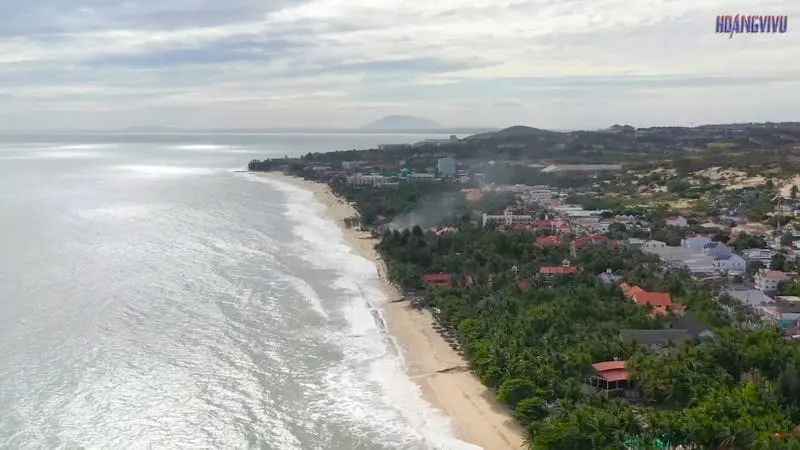
Overview of Mui Ne Vietnam
Name: Mui Ne Ward
City: Phan Thiet
Province: Binh Thuan
Region: South Central Coast of Vietnam
Area: 35.41 km²
Population: Approximately 24,275 people
Nickname: The Resort Capital of Vietnam
Mui Ne Vietnam is located about 22 kilometers northeast of Phan Thiet city center. What was once a quiet fishing area has transformed into a world-famous beach destination, home to more than 70% of Vietnam’s coastal resorts. Thanks to its sunny climate, stable sea conditions, and unique sand dune landscapes, Mui Ne Vietnam has become a top choice for relaxation, adventure, and long-stay tourism.
The Origin of the Name “Mui Ne”
The name Mui Ne carries deep historical and cultural meaning, rooted in the daily lives of coastal communities long before the area became a well-known tourist destination. In Vietnamese, the word “Mui” refers to a cape or headland—an area of land that extends out into the sea. The word “Ne” means to avoid, shelter, or take refuge. Combined, Mui Ne can be understood as “the cape where boats take shelter.”
This name originated from the lived experience of fishermen who depended entirely on the sea for survival. In earlier centuries, when weather forecasting did not exist and boats were small and vulnerable, sudden storms posed a constant threat. During rough seas, fishermen would steer their boats toward this particular headland, where the landmass helped block strong winds and waves. The natural geography of Mui Ne created a safe anchorage, allowing boats to wait out storms before returning to open water.
Over time, this sheltered cape became widely known among fishing communities along the coast. What began as a functional reference gradually evolved into a place name—Mui Ne—passed down through generations. Even today, the original meaning of the name remains relevant, reflecting the area’s strong connection to the sea and the people who rely on it.
The bay formed by this headland is now home to Mui Ne Fishing Village, one of the most culturally rich and visually distinctive places in Mui Ne Vietnam. Early in the morning, the shoreline fills with colorful basket boats, fishing nets, and the daily rhythm of local life. Despite the growth of tourism, the fishing village preserves many traditional practices, offering visitors an authentic glimpse into the coastal heritage that gave Mui Ne its name.
Travel Route: From Phan Thiet to Mui Ne Vietnam
The journey from Phan Thiet City to Mui Ne Vietnam is often described as one of the most scenic coastal routes in southern Vietnam. Covering a distance of approximately 22 kilometers, the drive is not merely a transfer between destinations but an integral part of the travel experience.
There are two main roads connecting Phan Thiet to Mui Ne:
- Nguyen Dinh Chieu Street (DT706)
- Vo Nguyen Giap Street (DT706B)
These parallel coastal roads run alongside the sea and form the backbone of tourism infrastructure in Binh Thuan Province. Travelers moving along this route encounter a continuous sequence of beaches, resorts, cafés, seafood restaurants, and cultural landmarks.
Nguyen Dinh Chieu Street is the older and more established tourism strip. It is lined with boutique resorts, beachside bars, yoga centers, and international restaurants, reflecting Mui Ne’s early popularity with foreign travelers. This area is often referred to as the “tourist heart” of Mui Ne Vietnam, where accommodations and services are concentrated.
Vo Nguyen Giap Street, on the other hand, is a newer and wider road that offers a more open coastal view. It connects directly to the sand dunes and quieter beach areas, making it popular with travelers seeking spacious resorts and uninterrupted sea scenery.
Along both routes, visitors will pass fishing villages, local markets, roadside food stalls, and stretches of untouched coastline. The changing scenery—from urban streets to open sea views—creates a gradual transition from city life into the relaxed coastal atmosphere that defines Mui Ne Vietnam. For many travelers, this journey sets the tone for the entire trip.
Introduction to Mui Ne Vietnam as a Tourist Destination
Vietnam is a country of remarkable geographic diversity. From the limestone karsts of Ha Long Bay to the rice terraces of Sapa and the river systems of the Mekong Delta, each region offers a distinct landscape. Within this variety, Mui Ne Vietnam stands out for its rare combination of tropical beaches and desert-like sand dunes.
Unlike other coastal destinations that focus solely on seaside relaxation, Mui Ne Vietnam offers a contrasting environment where white sand beaches meet vast stretches of golden and red dunes. This unusual landscape has earned Mui Ne international recognition and made it one of the most unique coastal destinations in Southeast Asia.
Mui Ne Vietnam is widely regarded as one of the most attractive eco-beach destinations in southern Vietnam. The area benefits from a dry, sunny climate for most of the year, making it ideal for outdoor activities such as swimming, kite surfing, sandboarding, and cycling. Strong coastal winds also make Mui Ne a global hotspot for wind-based water sports.
Beyond natural beauty, what truly defines Mui Ne Vietnam is the coexistence of tourism and local life. Fishing villages operate alongside luxury resorts, and traditional markets exist just minutes away from beachfront accommodations. Visitors are not isolated in enclosed resort zones; instead, they are immersed in a living coastal community.
Simple pleasures define the Mui Ne experience: relaxing under coconut palms, walking barefoot on warm sand, swimming in calm seawater, or lying on a beach listening to the steady sound of waves. These moments, unhurried and natural, are what leave the strongest impression on travelers.
Distinctive Natural Features of Mui Ne Vietnam
Beaches and Coastal Landscapes
Mui Ne Vietnam is best known for its long stretches of white sand beaches, clear turquoise waters, and rows of coconut trees shaped by sea winds. The coastline extends for many kilometers, offering a mix of lively beach areas and quieter, less developed sections.
The visual harmony of golden sunlight, deep blue skies, pale sand, and green palms creates a landscape that feels both peaceful and energetic. Unlike destinations with crowded shorelines, many beaches in Mui Ne Vietnam remain spacious, allowing visitors to enjoy the sea without feeling confined.
Several beaches stand out as key attractions:
- Hon Rom Beach
- Bai Rang Beach
- Mui Ne Beach
Hon Rom Beach is known for its wide sandy shore and open views of the sea. It is especially popular for sunrise watching and camping. The beach has a raw, natural feel, with fewer large resorts and more open space.
Bai Rang Beach is one of the longest beaches in Mui Ne Vietnam and is lined with resorts, cafés, and beach clubs. Despite development, the beach maintains a relaxed atmosphere and is suitable for swimming, sunbathing, and casual seaside dining.
Mui Ne Beach, closer to the fishing village, offers a more local experience. Here, visitors can observe fishermen preparing nets, repairing boats, and bringing in the day’s catch. The presence of traditional basket boats adds visual character and cultural depth to the coastline.
Across all these beaches, the water is generally warm and calm, particularly during the dry season. Many resorts provide direct beach access, while public beach areas allow travelers to explore freely.
The Coastal Environment and Atmosphere
One of the defining qualities of Mui Ne Vietnam is its open, wind-shaped environment. The coastal breeze keeps temperatures comfortable even during hot months and gives the region its distinctive character. This wind is also what has made Mui Ne internationally famous for kite surfing and windsurfing.
The natural environment feels expansive rather than enclosed. Wide beaches, long roads, and unobstructed sea views contribute to a sense of freedom that many travelers find deeply relaxing. Unlike crowded urban beach destinations, Mui Ne Vietnam encourages slow movement and unstructured exploration.
Whether walking along the shore at sunset, cycling between beaches, or simply sitting at a seaside café watching fishing boats drift by, visitors often describe Mui Ne as a place where time seems to slow down.
Why These Natural Features Matter
The beaches and coastal landscapes of Mui Ne Vietnam are not just scenic backdrops; they shape how people experience the destination. They influence local livelihoods, tourism activities, and the overall pace of life.
By maintaining a balance between development and natural preservation, Mui Ne Vietnam continues to attract travelers who seek both comfort and authenticity. Its beaches are not only places to relax but also spaces where local culture, nature, and tourism intersect naturally.
Hon Rom – A Signature Coastal Landmark of Mui Ne Vietnam
Hon Rom is one of the most recognizable natural landmarks in Mui Ne Vietnam, offering a visual identity that sets this coastal region apart from other beach destinations in the country. Located close to the shoreline, Hon Rom is a low hill that gently rises above the surrounding beaches, creating a distinctive silhouette against the sea and sky.
What makes Hon Rom particularly unique is its seasonal transformation. During the rainy season, the hill is covered in lush green grass, blending harmoniously with the surrounding coastal vegetation. In contrast, during the dry season, the grass fades into golden and yellow tones, giving the hill the appearance of a giant haystack. This striking resemblance is believed to be the origin of the name “Hon Rom,” with “rom” referring to dried rice straw.
The area surrounding Hon Rom is one of the most atmospheric places in Mui Ne Vietnam, especially in the early morning and late evening. Sunrise at Hon Rom is a quiet, contemplative experience, as the first light reflects off the sea and gradually reveals the fishing boats offshore. At sunset, the hill becomes a natural viewing point where travelers gather to watch the sky shift through shades of orange and purple.
Hon Rom is also popular for beach camping, bonfires, and nighttime walks along the shore. The wide, open beach and relatively low light pollution create an ideal environment for stargazing and relaxed outdoor activities. Unlike heavily developed resort beaches, Hon Rom maintains a raw and open feel, making it a favorite spot for travelers who want to experience the natural rhythm of Mui Ne Vietnam.
Fairy Stream (Suoi Tien) – A Natural Art Gallery in Mui Ne Vietnam
Often described as “a fairyland on earth,” Fairy Stream, locally known as Suoi Tien, is one of the most distinctive natural attractions in Mui Ne Vietnam. This shallow stream flows gently through a landscape shaped by erosion, where red, white, and orange sand formations rise on either side like natural sculptures.
Unlike traditional streams or rivers, Fairy Stream is shallow enough for visitors to walk through barefoot. The water is cool and calm, reaching only ankle or calf height, making the experience accessible to travelers of all ages. Walking along Fairy Stream feels less like hiking and more like stepping into a surreal, dreamlike environment.
The sand formations along the stream have been shaped over centuries by wind and water, creating patterns that resemble canyons, towers, and abstract sculptures. The contrast between the soft flowing water and the dramatic sand cliffs gives Fairy Stream a unique visual character found nowhere else in Mui Ne Vietnam.
As visitors move deeper along the stream, the scenery gradually changes. Palm trees appear, vegetation becomes denser, and the colors of the sand shift subtly. This slow transition adds to the sense of discovery and reinforces Fairy Stream’s reputation as one of the most memorable places to visit in Mui Ne Vietnam.
Beyond its visual appeal, Fairy Stream also reflects the delicate balance between natural forces and time. It is often described as a living gallery—one that continues to change with each season, rainfall, and shift in the wind.
Sand Dunes of Mui Ne Vietnam – A Desert by the Sea
One of the main reasons Mui Ne Vietnam has gained international recognition is its extraordinary sand dune system. Few places in Southeast Asia offer such a dramatic desert-like landscape so close to the ocean. The sand dunes of Mui Ne Vietnam stretch across vast areas and are shaped continuously by strong coastal winds.
There are two main dune areas that define this landscape:
- Red Sand Dunes
- White Sand Dunes (Bau Trang)
Red Sand Dunes
The Red Sand Dunes are located closer to the town center and are known for their warm reddish-orange tones, especially during sunrise and sunset. These dunes are smaller than the White Sand Dunes but more accessible, making them popular for short visits.
As the sun moves across the sky, the color of the sand shifts dramatically, creating an ever-changing scene that photographers find particularly appealing. The Red Sand Dunes are also a common spot for casual sandboarding and evening walks.
White Sand Dunes (Bau Trang)
The White Sand Dunes, also known as Bau Trang, are the most iconic sand dunes in Mui Ne Vietnam. Often compared to the Sahara Desert, this area features rolling hills of bright white sand that stretch as far as the eye can see.
What makes the White Sand Dunes truly unique is their scale and isolation. Surrounded by open sky and minimal development, the dunes create a sense of vastness rarely found elsewhere in Vietnam. This is why the White Sand Dunes are among the most photographed places in Mui Ne Vietnam.
Popular activities in this area include:
- Sandboarding
- ATV rides across the dunes
- Sunrise photography
- Scenic jeep tours
Early morning visits are especially recommended, as the light is soft, temperatures are cooler, and the landscape feels almost untouched.
Bau Trang – White Sand Desert and Freshwater Lakes of Mui Ne Vietnam
Bau Trang is not only part of the White Sand Dunes but also one of the most remarkable natural landscapes in Mui Ne Vietnam. The name Bau Trang refers to a complex of two freshwater lakes—Bau Ong and Bau Ba—situated in the middle of vast white sand dunes.
The presence of freshwater lakes in such an arid, desert-like environment creates a striking contrast. During summer months, lotus flowers bloom across the surface of the lakes, introducing vivid green and pink hues against the white sand backdrop. This contrast is one of the defining visual features of Mui Ne Vietnam.
Bau Trang offers a sense of calm and openness that differs from coastal beaches. The absence of waves, combined with the stillness of the lakes, creates a peaceful atmosphere ideal for photography and quiet observation. The surrounding dunes amplify the feeling of isolation, making Bau Trang feel like a hidden world within Mui Ne Vietnam.
For many travelers, Bau Trang represents the essence of Mui Ne’s natural uniqueness—a place where desert, water, and sky coexist in unexpected harmony.
Ganh Da & Hon Ghenh – Raw Coastal Beauty in Mui Ne Vietnam
Ganh Da, or Rocky Cape, is another striking coastal feature in Mui Ne Vietnam. Unlike sandy beaches, Ganh Da is characterized by dark rock formations that extend into the sea, forming dramatic edges where waves crash with force.
The rocks at Ganh Da have been shaped by constant wave action, resulting in rugged textures and sharp lines that contrast with the smooth sand found elsewhere in Mui Ne Vietnam. This area is particularly popular with photographers who seek dramatic coastal compositions.
Just offshore lies Hon Ghenh Island, a small and largely untouched island known for its clear water and coral reefs. Due to limited development and restricted access, Hon Ghenh remains relatively pristine. Snorkeling around the island reveals marine life and underwater landscapes that are rare along more developed coastlines.
Together, Ganh Da and Hon Ghenh highlight the raw, untamed side of Mui Ne Vietnam’s coastline.
Nguyen Dinh Chieu Street – The “Western Street” of Mui Ne Vietnam
Nguyen Dinh Chieu Street is often referred to as the Western Quarter of Mui Ne Vietnam, reflecting its long history of attracting international travelers. This coastal road runs parallel to the beach and is lined with resorts, restaurants, cafés, and bars catering primarily to foreign visitors.
The transformation of Nguyen Dinh Chieu Street began in the mid-1990s, particularly after the total solar eclipse on October 24, 1995, which was most clearly visible in Mui Ne Vietnam. The event drew scientists, tourists, and media attention from around the world, placing Mui Ne on the global tourism map.
Following this exposure, investment surged rapidly. Resorts and hospitality businesses developed along the coast, turning Mui Ne Vietnam into a recognized international beach destination. Nguyen Dinh Chieu Street became the center of this transformation.
Today, the street remains a symbol of Mui Ne Vietnam’s tourism evolution—a place where global influences blend with local culture. Despite modernization, many businesses maintain a relaxed, low-rise design that preserves the area’s open coastal feel.
Mui Ne Vietnam was later officially recognized by the Vietnamese government as a National Tourist Area, confirming its importance within the country’s tourism strategy.
Cultural and Historical Attractions Near Mui Ne Vietnam
Duc Thanh School & Ho Chi Minh Museum
Duc Thanh School is one of the most historically significant sites near Mui Ne Vietnam. Founded in 1907 during the Duy Tan movement, the school played an important role in Vietnam’s early educational reforms.
In 1910, Nguyen Tat Thanh, who later became President Ho Chi Minh, taught at Duc Thanh School before departing Vietnam in search of a path toward national independence. Today, the school operates as a museum, preserving classrooms, documents, and personal items related to his time there.
This site offers visitors insight into the intellectual and revolutionary history of Vietnam, adding cultural depth to a destination often associated primarily with beaches.
Van Thuy Tu Temple – Spiritual Life of the Sea
Van Thuy Tu Temple is one of the most unique spiritual landmarks in Mui Ne Vietnam. Dedicated to Ca Ong—the Whale God revered by fishermen—the temple reflects the deep spiritual relationship between coastal communities and the sea.
The temple houses the largest whale skeleton in Southeast Asia, measuring 22 meters in length and weighing approximately 65 tons. This remarkable artifact symbolizes protection, gratitude, and respect for the ocean.
Each year, the Cau Ngu Festival is held here, featuring rituals, ceremonies, and traditional performances. The festival highlights the cultural identity of fishing communities in Mui Ne Vietnam and their reliance on marine life.
Poshanu Cham Towers
The Poshanu Cham Towers are remnants of the ancient Champa Kingdom and represent an important historical layer within Mui Ne Vietnam. Built in the Hoa Lai architectural style, these towers are dedicated to Princess Poshanu, a revered figure in Cham culture.
Located on a hill overlooking the surrounding landscape, the towers offer both historical significance and scenic views. They stand as a reminder that Mui Ne Vietnam’s history extends far beyond modern tourism.
Ong Hoang Palace – Poetry and Romance in Mui Ne Vietnam
Ong Hoang Palace is associated with Han Mac Tu, one of Vietnam’s most celebrated poets. The site is known for its romantic setting and historical connection to the poet’s life and work.
Han Mac Tu frequently visited the area and drew inspiration from its coastal scenery, writing poetry that reflects longing, beauty, and emotional depth. Today, Ong Hoang Palace remains a quiet, reflective place that adds literary and emotional resonance to the cultural landscape of Mui Ne Vietnam.
Nearby Attractions Around Mui Ne Vietnam
- Ke Ga Lighthouse – The tallest and oldest lighthouse in Vietnam
- Ta Cu Mountain – Home to Southeast Asia’s largest reclining Buddha
- Co Thach Seven-Colored Stone Beach
- Hang Pagoda (Co Thach Tu)
- Ganh Son
- Cu Lao Cau Island
- Phu Quy Island
These destinations make Mui Ne Vietnam an excellent base for regional exploration.
Cuisine and Local Specialties of Mui Ne Vietnam
Mui Ne Vietnam is located at the intersection of warm and cold ocean currents, resulting in abundant seafood resources. The area is also famous for fish sauce production.
Notable Local Specialties
- Red-flesh Dragon Fruit
- Banh Quai Vac
- Banh Re
- Phan Thiet Fish Sauce
- Fish Cakes
- Milk Rice Crackers
- Dried Seafood
- One-Sun Dried Squid
- Sand Lizard (Dong) Dishes
- Huynh De Crab
- Rice Paper Rolls with Shrimp Paste
- Seafood Salad
- Lau Tha (Traditional Fish Hotpot)
Lau Tha is considered the culinary symbol of Mui Ne Vietnam and is best enjoyed at long-established seaside resorts.
Why Mui Ne Vietnam Continues to Attract Visitors
With its rare desert-meets-ocean landscape, rich cultural heritage, vibrant cuisine, and resort-quality infrastructure, Mui Ne Vietnam offers a complete travel experience.
Each year, nearly three million international visitors come to Mui Ne Vietnam, leaving with unforgettable memories of sunlit dunes, turquoise seas, and warm local hospitality.
Mui Ne Vietnam is not just a destination—it is a place where nature, culture, and leisure converge harmoniously, promising even greater potential in the years ahead.