Phu Quoc Vietnam is often called Pearl Island, but no nickname truly prepares you for the scale, diversity, and atmosphere of this place. As the largest island in Vietnam and the biggest island in the Gulf of Thailand, Phu Quoc Vietnam feels less like a single destination and more like a small world of its own—where forests, beaches, fishing villages, and modern resorts coexist.
You May Also Like:
Before visiting Phu Quoc Vietnam, I had seen countless photos of white-sand beaches and turquoise water. What I didn’t expect was how much depth the island holds beyond its postcard-perfect coastline.
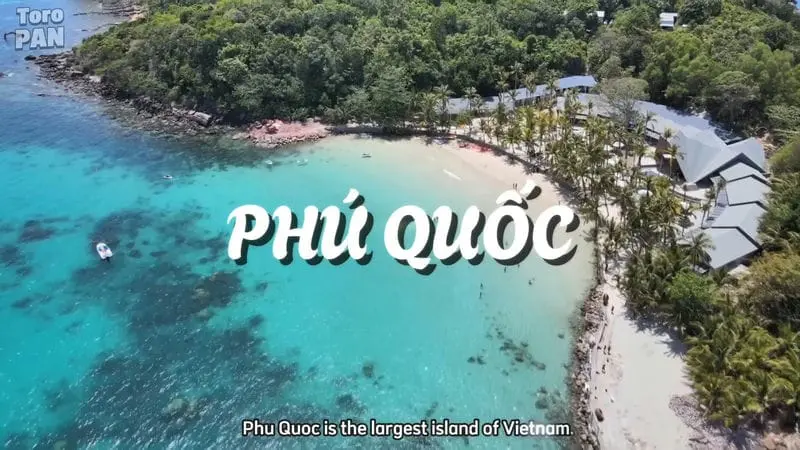
Where Is Phu Quoc Vietnam? First Impressions of Location and Scale
Phu Quoc Vietnam is located in the Gulf of Thailand, in the southwestern part of the country. Administratively, it belongs to Kien Giang Province and forms an island district consisting of 22 islands, with Phu Quoc Island itself being the largest.
The island lies about 120 kilometers from Rach Gia City and 45 kilometers from Ha Tien Town. Approaching Phu Quoc Vietnam by plane, I was surprised by its size—stretching nearly 49 kilometers in length and covering almost 589 square kilometers, comparable to the size of Singapore in the 1960s.
Duong Dong Town, located in the northwest, serves as the island’s administrative and economic center. This is where most visitors first experience Phu Quoc Vietnam, and it’s where local life and tourism intersect most vividly.
Phu Quoc Vietnam: A UNESCO-Recognized Biosphere Shaped by Nature
One of the most remarkable aspects of Phu Quoc Vietnam is its outstanding ecological value. Long before the island became a rising tourism hotspot, it had already earned international recognition for its natural heritage. In 2006, UNESCO officially designated the Kien Giang Coastal and Marine Biosphere Reserve, which includes Phu Quoc Vietnam, as a World Biosphere Reserve.
This recognition is not symbolic. It reflects the island’s role as a critical ecological zone where terrestrial forests, coastal ecosystems, and marine environments coexist in rare balance. For travelers who venture beyond the main tourist roads, the biosphere status of Phu Quoc Vietnam becomes immediately apparent.
Dense tropical forests stretch across the island’s interior, mangrove forests line river mouths, coral reefs surround offshore islands, and long, undeveloped coastlines still remain untouched by mass construction. Despite rapid development in recent years, especially along the western coast, Phu Quoc Vietnam continues to preserve large areas that feel raw, wild, and genuinely natural.
What makes Phu Quoc Vietnam particularly special is not just the diversity of ecosystems, but the way they connect seamlessly—from mountain forests down to coral reefs beneath the sea.
The Living Ecosystems of Phu Quoc Vietnam
Tropical Forests and Biodiversity
More than 50% of Phu Quoc Vietnam is covered by forest, much of it protected within Phu Quoc National Park. These forests are home to a wide range of flora and fauna, including rare plant species, birds, reptiles, and small mammals.
Walking through these forested areas, it becomes clear that Phu Quoc Vietnam is not merely a beach destination. The thick canopy, humid air, and natural sounds create an environment that feels closer to mainland jungle regions than a typical island resort.
The forests also play a vital role in regulating climate, preventing erosion, and protecting freshwater sources—essential functions for sustainable tourism on Phu Quoc Vietnam.
Coastal and Marine Ecosystems
Surrounding Phu Quoc Vietnam is a rich marine environment that includes coral reefs, seagrass beds, and mangrove forests. These ecosystems support fisheries, protect coastlines from erosion, and sustain local livelihoods.
The coral reefs around the An Thoi archipelago in southern Phu Quoc Vietnam are among the most diverse in Vietnam. While tourism activities like snorkeling and diving are increasingly popular, conservation efforts remain essential to preserving these fragile marine habitats.
Geography and Natural Landscape of Phu Quoc Vietnam
The geography of Phu Quoc Vietnam plays a defining role in shaping both its scenery and travel experience. Unlike many flat tropical islands, Phu Quoc Vietnam has a gently undulating terrain that slopes from north to south, creating natural viewpoints, hidden valleys, and diverse landscapes.
Mountains and Hills
Phu Quoc Vietnam is dotted with 99 hills and low mountains, giving the island a surprisingly rugged interior. The highest point is Mount Chua, rising approximately 603 meters above sea level, located within Phu Quoc National Park.
From elevated areas, visitors can see layers of green forest stretching toward the coastline, with the ocean visible in the distance. These highlands are also where many rivers originate, flowing down toward fishing villages and beaches.
The An Thoi Archipelago
One of the most unique geographical features of Phu Quoc Vietnam is the An Thoi archipelago, located off the island’s southern tip. This cluster of small islands is separated from the main island by deep sea channels, some reaching depths of over 60 meters.
Island-hopping in this area reveals a completely different side of Phu Quoc Vietnam—crystal-clear waters, vibrant coral reefs, and quiet beaches far removed from the main tourist centers. For many travelers, including myself, the An Thoi islands become a highlight of any trip to Phu Quoc Vietnam.
Geological Formation
Geologically, Phu Quoc Vietnam is formed from Mesozoic and Cenozoic sedimentary rocks, including sandstone, quartz gravel, limestone, and volcanic rock. This geological diversity influences everything from beach texture to underwater formations.
Some beaches feature fine white sand, while others are lined with pebbles or rocky outcrops. Underwater, these geological structures create caves, reefs, and habitats for marine life—adding to the island’s appeal for snorkeling and diving.
Phu Quoc Vietnam Weather: Tropical but Comfortable Year-Round
Understanding Phu Quoc Vietnam weather is essential for planning a visit. The island has a tropical monsoon climate, characterized by warm temperatures throughout the year and two distinct seasons.
Dry Season in Phu Quoc Vietnam (November to April)
The dry season is widely considered the best time to visit Phu Quoc Vietnam.
- Influenced by the Northeast monsoon
- Average temperatures range from 25°C to 35°C
- April and May are the hottest months
- Calm seas and clear skies dominate
During this period, Phu Quoc Vietnam is ideal for beach activities, snorkeling, island hopping, and sunset cruises. The western coast, including popular beaches like Long Beach, becomes especially vibrant in the evenings.
Despite the heat, the climate rarely feels suffocating. Sea breezes help regulate temperatures, and nights are generally pleasant—perfect for beach walks, night markets, and outdoor dining.
Rainy Season in Phu Quoc Vietnam (May to October)
The rainy season is shaped by the Southwest monsoon and brings higher humidity levels.
- Humidity often reaches 85–90%
- Rain usually falls in short, heavy bursts
- Showers typically occur in the afternoon or evening
- Mornings are often sunny and clear
While some travelers avoid this season, it offers a different perspective on Phu Quoc Vietnam. The island becomes lush and green, waterfalls are more active, and tourist crowds thin out significantly.
For visitors who prioritize nature, photography, or quiet experiences, the rainy season in Phu Quoc Vietnam can be surprisingly rewarding.
Climate Comfort and Daily Life on Phu Quoc Vietnam
One of the advantages of Phu Quoc Vietnam’s climate is its relative stability. Extreme weather events such as typhoons are less common compared to other coastal regions of Vietnam.
Local life adapts naturally to the weather patterns. Fishing schedules, farming activities, and even market hours shift according to seasons. Observing this rhythm gives visitors a deeper understanding of how climate shapes daily life on Phu Quoc Vietnam.
Why Phu Quoc Vietnam’s Natural Balance Matters
As tourism continues to grow, the challenge for Phu Quoc Vietnam lies in maintaining the balance between development and conservation. The island’s UNESCO biosphere status serves as both recognition and responsibility.
Protected forests, regulated marine zones, and sustainable tourism initiatives are increasingly important in ensuring that Phu Quoc Vietnam remains attractive not just today, but for generations to come.
Travelers who explore responsibly—supporting local businesses, respecting natural areas, and minimizing environmental impact—play a role in preserving what makes Phu Quoc Vietnam unique.
Population and Local Life in Phu Quoc Vietnam: Where Tradition Still Shapes the Island
One of the most meaningful discoveries during my journey through Phu Quoc Vietnam was realizing that behind the island’s growing reputation as a luxury destination lies a deeply rooted local community. Long before resorts, beach clubs, and international flights arrived, Phu Quoc Vietnam was a quiet island shaped by fishing boats, pepper gardens, and fish sauce barrels aging under the sun.
Before 1975, the population of Phu Quoc Vietnam was remarkably small—just over 5,000 residents. Life moved slowly, governed by the tides, seasons, and harvest cycles. After Vietnam’s reunification, migration to the island increased steadily, bringing new families seeking opportunities in fishing, agriculture, and later tourism. By 2003, the population had grown to nearly 80,000 people, yet the population density remained relatively low compared to mainland Vietnam.
What struck me most while traveling across Phu Quoc Vietnam was how this population growth never completely erased traditional ways of life. Instead, modern tourism and long-standing local industries coexist side by side. In many parts of the island, fishermen still head out to sea before dawn, pepper farmers tend their vines by hand, and fish sauce producers continue methods passed down through generations.
This balance—between development and heritage—is one of the most compelling aspects of Phu Quoc Vietnam. It gives the island a soul that many overly commercialized destinations lose over time.
Main Residential Areas in Phu Quoc Vietnam: Exploring the Island’s Communities
To truly understand Phu Quoc Vietnam, it’s essential to explore its residential areas, each offering a distinct atmosphere and rhythm of life. During my stay, I intentionally spent time in multiple towns and villages, moving beyond resort zones to observe daily life up close.
Duong Dong Town: The Beating Heart of Phu Quoc Vietnam
Duong Dong Town is the largest and busiest urban center in Phu Quoc Vietnam. It serves as the island’s economic and social hub, where local markets, ports, restaurants, and nightlife converge.
Walking through Duong Dong in the early morning, I watched fishermen unload their fresh catch at the harbor while vendors prepared stalls for the day’s market. By evening, the same streets transformed into lively gathering spots filled with street food, cafes, and visitors exploring the famous night market.
Despite its energy, Duong Dong still feels authentically local. Family-run businesses dominate the streets, and many residents have lived here for generations. It’s a place where Phu Quoc Vietnam’s past and present meet most visibly.
An Thoi Town: Gateway to the Southern Islands
Located in the south, An Thoi Town functions as a crucial gateway to island-hopping adventures in Phu Quoc Vietnam. Boats depart daily from its harbor to explore the An Thoi archipelago, known for clear waters and coral reefs.
Compared to Duong Dong, An Thoi feels more industrial and maritime. Fishing boats, seafood processing facilities, and ferry terminals define the landscape. Yet beneath this working-town exterior lies a strong sense of community, where locals depend heavily on the sea for their livelihoods.
Ham Ninh Fishing Village: Timeless Coastal Life
Ham Ninh Fishing Village offered one of my most memorable experiences in Phu Quoc Vietnam. Located on the island’s eastern coast, this village is famous for seafood and breathtaking sunrise views.
Here, life moves at a slower pace. Wooden houses stand on stilts above shallow waters, and fishing nets dry under the sun. I spent an early morning watching the sky change colors as fishermen prepared their boats, a quiet moment that captured the timeless essence of Phu Quoc Vietnam.
Cua Can Fishing Village: Where River Meets Sea
Cua Can Fishing Village sits at the meeting point of river and ocean, creating a tranquil landscape rarely seen by first-time visitors to Phu Quoc Vietnam. Kayaking along the river, I passed mangroves, small boats, and houses nestled close to the water.
This village reflects a gentler side of island life, where fishing is small-scale and deeply tied to family traditions. It’s one of the best places to witness how residents of Phu Quoc Vietnam live in harmony with their natural surroundings.
Hon Thom Island: Modern Development Meets Nature
Hon Thom Island represents the future-facing side of Phu Quoc Vietnam. Connected to the main island by one of the world’s longest sea-crossing cable cars, Hon Thom is rapidly developing into a resort destination.
While luxury resorts and attractions dominate parts of the island, local communities still exist here, adapting to tourism-driven change. Visiting Hon Thom offered insight into how Phu Quoc Vietnam is navigating modernization while attempting to preserve its ecological and cultural identity.
Phu Quoc Pepper: A Spicy Legacy Rooted in the Soil
One of the most fascinating cultural discoveries in Phu Quoc Vietnam was learning about its famous pepper. Phu Quoc pepper is widely regarded as one of the best in Vietnam, prized for its strong aroma and complex flavor.
Pepper farms are scattered throughout the island, especially in rural areas away from tourist centers. Visiting a farm allowed me to understand the labor-intensive process behind every peppercorn.
Farmers in Phu Quoc Vietnam harvest pepper berries entirely by hand. Depending on the stage of harvest and processing, they produce:
- Red pepper, made from fully ripe berries
- Black pepper, created from dried green berries
- White pepper, made by removing the outer skin, leaving the aromatic core—this is the most valuable variety
What makes pepper cultivation in Phu Quoc Vietnam particularly unique is its sustainability. Farmers use organic fertilizers, including fish remains left over from fish sauce production. This circular agricultural system reflects the island’s resourcefulness and respect for nature.
Culinary Identity: What to Eat in Phu Quoc Vietnam
Food is at the heart of the Phu Quoc Vietnam experience. Every meal I enjoyed felt deeply connected to the island’s geography, climate, and traditions.
Phu Quoc Fish Sauce: Liquid Gold of the Island
Phu Quoc fish sauce is world-famous, known for its rich amber color and balanced umami flavor. Visiting a traditional fish sauce factory revealed rows of massive wooden barrels fermenting anchovies with salt over many months.
This industry has sustained families in Phu Quoc Vietnam for generations, and even today, authentic fish sauce remains a source of local pride.
Raw Herring Salad and Island Specialties
One dish that truly surprised me was raw herring salad. Fresh herring is thinly sliced and served with herbs, coconut, and rice paper, creating a refreshing and aromatic experience unique to Phu Quoc Vietnam.
Seasonal forest ingredients like nấm tràm (tram mushrooms) appear during the rainy season, adding earthy flavors to soups and stir-fries. Meanwhile, sim wine—made from locally grown rose myrtle fruit—offers a taste of the island’s wild landscape.
Seafood is, of course, abundant. Grouper, cobia, scallops, sea snails, and squid appear daily on menus across Phu Quoc Vietnam, often grilled simply to preserve their natural flavors.
Pearl Farming and Marine Life in Phu Quoc Vietnam
Beyond food and farming, Phu Quoc Vietnam is also known for pearl cultivation. Visiting a pearl farm offered insight into how oysters are raised, seeded, and harvested.
While pearl farming has become commercialized, it still depends heavily on the island’s clean marine environment. Healthy waters are essential for pearl quality, making environmental protection critical for this industry’s future in Phu Quoc Vietnam.
Snorkeling around the An Thoi islands further reinforced this point. Beneath the surface, I encountered coral reefs, colorful fish, and clear waters that highlight the island’s ecological value.
The Living Balance of Phu Quoc Vietnam
What stays with me most after leaving Phu Quoc Vietnam is the island’s delicate balance. It is a place where tradition persists amid rapid tourism growth, where local communities adapt without completely abandoning their roots.
From fishing villages and pepper farms to bustling towns and emerging resorts, Phu Quoc Vietnam offers more than beaches—it offers a living cultural landscape shaped by history, nature, and resilience.
Natural Attractions and Places to Visit in Phu Quoc Vietnam
Phu Quoc National Park
Covering over half the island, the national park is home to dense forests, wildlife, and hiking trails. Exploring this area reminded me that Phu Quoc Vietnam is not just a beach destination.
Dinh Cau Temple
Located in Duong Dong, this spiritual landmark reflects the islanders’ deep connection to the sea. Visiting at sunset was especially atmospheric.
Beaches of Southern Phu Quoc
- Bai Sao – Soft white sand, turquoise water
- Bai Khem – Peaceful and picturesque
- Mui Ong Doi – Where sunrise and sunset can be seen in one day
An Thoi Archipelago
Island hopping around Hon Thom, Hon May Rut, and Hon Gam Ghi was one of the most memorable experiences in Phu Quoc Vietnam.
Northern Phu Quoc Vietnam: Untouched and Quiet
The northern part of Phu Quoc Vietnam feels far removed from resort life. Beaches like Bai Dai, Ganh Dau, and Bai Thom are less developed and offer a sense of solitude.
At Rach Vem, I walked along wooden bridges above shallow waters filled with starfish—simple, peaceful, and unforgettable.
Ham Ninh Fishing Village: Sunrise and Simplicity
Ham Ninh remains one of the most authentic fishing villages in Phu Quoc Vietnam. I arrived before sunrise, watching fishermen prepare nets as the sky slowly changed color.
Fresh seafood here is inexpensive and incredibly flavorful—proof that the best experiences in Phu Quoc Vietnam often come from simplicity.
Final Reflections on Phu Quoc Vietnam
Phu Quoc Vietnam is more than a tropical getaway. It is a living island shaped by nature, history, and human resilience. From pepper farms and fishing villages to coral reefs and modern resorts, the island tells a story of balance—between preservation and progress.
What stayed with me most was not just the beauty, but the rhythm of life. Phu Quoc Vietnam invites you to slow down, to taste, to listen, and to observe.
For travelers seeking more than beaches—those who want culture, nature, and authentic experiences—Phu Quoc Vietnam is not just worth visiting. It is worth remembering.