Vietnam is a diverse and attractive travel destination, offering dramatic natural landscapes, rich cultural heritage, and a cuisine that leaves a lasting impression. From world-renowned natural wonders to peaceful ancient towns and vibrant modern cities, each destination has its own character and experience to offer.
You May Also Like:
Below are 10 of the most popular tourist destinations in Vietnam, based on real travel experiences.

1. Ha Long Bay, Quang Ninh – Vietnam’s Most Recognizable Natural Wonder
Ha Long Bay is often the first destination that comes to mind when people think about traveling to Vietnam. Located in Quang Ninh Province, the bay has long been recognized as a UNESCO World Natural Heritage Site, and it continues to be one of the country’s most visited locations by both domestic and international travelers.
Covering an area of more than 1,500 square kilometers, Ha Long Bay is home to nearly 2,000 limestone islands and islets, rising dramatically from emerald-green waters. Each formation has its own shape and local name, often inspired by folklore or visual resemblance. While photographs capture part of the beauty, the real impact comes from seeing the landscape in person, especially during early morning or late afternoon when the light softens the scenery.
Most visitors experience Ha Long Bay through boat cruises, which range from half-day trips to overnight stays. Cruising through the bay allows travelers to move slowly between limestone cliffs, floating fishing villages, and secluded lagoons. Kayaking is another popular activity, offering a closer look at hidden caves and narrow waterways that larger boats cannot access.
The bay is also known for its limestone caves, such as Sung Sot Cave and Thien Cung Cave. These caves are well-developed for tourism but still impressive in scale, featuring natural rock formations shaped over millions of years. While some areas can be crowded during peak season, visiting early in the day often provides a quieter experience.
Beyond its scenery, Ha Long Bay is closely tied to coastal culture and seafood cuisine. Local specialties include grilled oysters, squid cakes (cha muc), and sea worms, which are considered a delicacy in the region. Dining on fresh seafood while overlooking the bay adds another layer to the overall experience.
Despite its popularity, Ha Long Bay still offers moments of calm, especially for travelers who choose longer itineraries or less-touristy routes. It remains a destination that balances natural grandeur with cultural elements, making it an essential stop on any Vietnam travel itinerary.
2. Hue – The Ancient Imperial City with a Quiet Soul
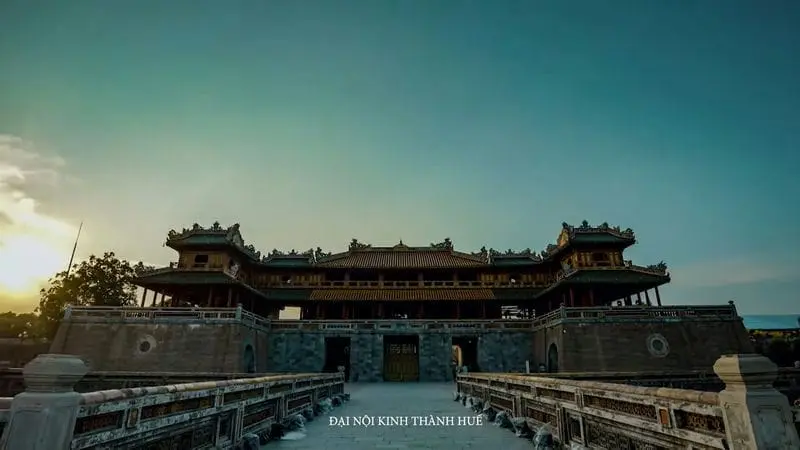
Hue, located in central Vietnam, presents a completely different atmosphere from coastal or metropolitan destinations. Once the capital of the Nguyen Dynasty, Hue retains a sense of historical depth and quiet elegance that sets it apart from other cities in the country.
The city’s most notable landmark is the Imperial Citadel, a vast complex surrounded by stone walls and a moat. Inside, visitors can explore royal halls, temples, and courtyards that once served as the political and ceremonial center of Vietnam. While some structures were damaged over time, restoration efforts allow travelers to understand the scale and importance of the former imperial capital.
In addition to the Citadel, Hue is known for its royal tombs, scattered along the Perfume River. Each tomb reflects the personality and philosophy of the emperor it honors, blending architecture with natural landscapes. Visiting these tombs is not just a historical activity but also a reflective one, as many are located in peaceful, green surroundings.
One of the most memorable experiences in Hue is a boat trip along the Perfume River. The slow pace of the river mirrors the city’s overall rhythm. Some tours include traditional music performances, offering insight into Hue’s court culture. This experience is particularly enjoyable in the evening, when the city feels calm and contemplative.
Hue’s identity is also strongly tied to its distinctive cuisine. The city is famous for dishes originally prepared for royalty, which emphasize delicate presentation and balanced flavors. At the same time, Hue’s street food scene is vibrant, featuring local favorites such as bun bo Hue, banh bot loc, and a wide variety of sweet soups. Food in Hue is often spicier than in other regions, reflecting local taste preferences.
While Hue may not appeal to travelers seeking nightlife or fast-paced activities, it is ideal for those interested in history, culture, and slow travel. The city encourages visitors to take their time, observe details, and appreciate subtle beauty rather than dramatic spectacle.
3. Da Nang – A Modern Coastal City Balancing Nature and Urban Life
Da Nang is often described as one of the most livable cities in Vietnam, and for good reason. Located between the ancient town of Hoi An and the former imperial capital of Hue, Da Nang benefits from both strategic location and thoughtful urban development.
The city is known for its clean streets, organized layout, and modern infrastructure, which make it comfortable for travelers. At the same time, Da Nang does not feel overly commercialized. It maintains easy access to nature, with mountains, beaches, and rivers all within a short distance.
Da Nang’s beaches, particularly My Khe Beach, are among the most popular in the country. The coastline stretches for several kilometers, offering soft sand and relatively calm waters. Unlike resort-heavy destinations, many beaches in Da Nang remain open and accessible to the public, making them appealing to both locals and tourists.
Another highlight of the city is its iconic bridges, such as Dragon Bridge and Han River Bridge. These structures are not only functional but also serve as landmarks, especially at night when they are illuminated. Dragon Bridge, in particular, attracts crowds on weekends when it performs a fire and water show.
Nature lovers can explore nearby attractions such as Son Tra Peninsula, home to forests, viewpoints, and the Linh Ung Pagoda, or the Marble Mountains, a cluster of limestone hills with caves and temples. These locations provide a contrast to the city’s modern appearance.
Da Nang’s food scene reflects the flavors of central Vietnam. Local dishes like mi Quang, banh xeo, and fermented fish noodle soup are widely available, from street vendors to casual restaurants. The city’s culinary offerings are straightforward and satisfying, focusing on freshness and regional ingredients.
Overall, Da Nang appeals to travelers who want a balanced experience, combining beach relaxation, cultural exploration, and urban convenience without feeling overwhelmed.
4. Phu Quoc Island – A Relaxed Tropical Escape
Phu Quoc Island, located off the southern coast of Vietnam, has become one of the country’s most recognized island destinations. Known for its tropical climate and laid-back atmosphere, Phu Quoc attracts travelers looking for relaxation, nature, and seaside activities.
The island is famous for its long, clean beaches, including Bai Sao and Bai Dai. These beaches are characterized by white sand and clear water, making them suitable for swimming, sunbathing, and water sports. While some areas have seen rapid development, it is still possible to find quieter stretches of coastline away from major resorts.
Beyond the beaches, Phu Quoc offers a variety of natural and cultural attractions. Visitors can explore fishing villages to observe daily life, browse local night markets, or visit pepper farms that produce one of the island’s signature products. Waterfalls and forested areas in the island’s interior provide opportunities for light hiking and nature walks.
Phu Quoc has also developed as a family-friendly destination, with large entertainment complexes and theme parks. These attractions coexist with traditional experiences, allowing visitors to choose how they spend their time on the island.
Seafood plays a central role in Phu Quoc’s cuisine. Dishes are often simple, focusing on the freshness of ingredients. One of the most well-known local specialties is raw herring salad, typically served with herbs, rice paper, and dipping sauce. For many travelers, enjoying seafood by the sea is a highlight of the trip.
While Phu Quoc continues to evolve, it remains a destination best suited for travelers seeking a slower pace and natural surroundings, rather than busy sightseeing schedules. The island’s appeal lies in its ability to offer rest and simplicity alongside modern amenities.
5. Phu Quy Island – One of the Most Peaceful Places to Visit in Vietnam
Phu Quy Island is often overlooked on lists of popular places to visit in Vietnam, yet it remains one of the most rewarding destinations for travelers who value quietness and authenticity. Located off the coast of Binh Thuan Province, Phu Quy is relatively small and far less developed than major island destinations, which is exactly what makes it appealing.
The island’s landscape is defined by clear blue water, volcanic rock formations, and dramatic coastal cliffs. Unlike heavily commercialized islands, Phu Quy maintains a slow rhythm of life, with fishing villages, small local markets, and minimal tourist infrastructure. This makes it ideal for travelers looking for a break from crowded itineraries and fast-paced sightseeing.
Among the notable places to visit in Phu Quy Island are Ganh Hang, a rugged coastal area with natural rock formations shaped by waves over time, and Trieu Duong Bay, known for its calm waters and open views. The Phu Quy Lighthouse, located on higher ground, offers panoramic views of the island and surrounding sea, especially striking during sunrise or sunset.
In addition to the main island, visitors can take short boat trips to nearby islets, which are often untouched and perfect for swimming or photography. These surrounding areas further reinforce Phu Quy’s reputation as one of the more peaceful places to visit in Vietnam.
Seafood is central to daily life on the island. Fish, squid, and shellfish are caught fresh and prepared simply, allowing natural flavors to stand out. Prices remain affordable compared to more tourist-heavy destinations, making Phu Quy an excellent choice for slow travel and extended stays.
6. Nha Trang – A Classic Beach Destination Among Places to Visit in Vietnam
Nha Trang has long been recognized as one of the most established beach cities and remains a staple on many lists of places to visit in Vietnam. Located along the south-central coast, the city offers a combination of scenic bays, offshore islands, and urban entertainment.
What makes Nha Trang appealing is the contrast between its natural surroundings and developed tourism infrastructure. The coastline features long sandy beaches, while nearby islands create layered ocean views that are especially attractive from higher vantage points.
Within the city, several attractions stand out. Hon Chong, a rocky coastal area, provides a quiet spot to enjoy sea views. The Po Nagar Cham Towers offer insight into the region’s ancient Cham culture and serve as a reminder that Nha Trang’s history extends far beyond modern tourism. The Oceanographic Institute is another popular stop, particularly for visitors interested in marine life and coastal ecosystems.
Nha Trang’s food scene is closely tied to the sea. Local specialties such as jellyfish noodle soup and grilled fish with green chili are widely available and reflect the city’s coastal identity. While some areas of Nha Trang can feel busy, it remains one of the most accessible places to visit in Vietnam for travelers seeking both beach relaxation and city convenience.
7. Binh Thuan – Rustic Coastal Landscapes and Traditional Life
Binh Thuan Province is often associated with sunshine, wind, and sand, making it a distinctive region among places to visit in Vietnam. Known for its dry climate and long coastline, Binh Thuan offers a more rustic and grounded coastal experience compared to major resort destinations.
One of the most well-known areas in Binh Thuan is Mui Ne, famous for its fishing villages and sand dunes. Early mornings in Mui Ne reveal local fishermen returning with their catch, offering visitors a glimpse into everyday coastal life. Ke Ga Cape, with its historic lighthouse, provides dramatic sea views and a quieter alternative to busier beaches.
For travelers interested in less crowded places to visit in Vietnam, Cu Lao Cau is a standout destination. This small island is protected and largely undeveloped, known for its clear water and coral reefs. Access is limited, which helps preserve its natural environment.
Binh Thuan’s culinary identity is rooted in traditional cooking methods. Local dishes such as banh hoi with pork, banh quai vac, and seafood prepared with minimal seasoning reflect the region’s emphasis on freshness and simplicity. These elements make Binh Thuan appealing for travelers who want to experience everyday coastal culture rather than polished resort tourism.
8. Hoi An – One of the Most Iconic Places to Visit in Vietnam
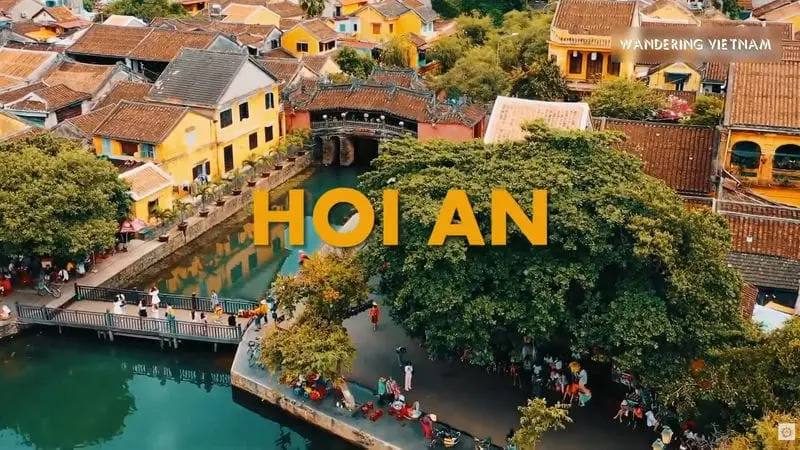
Hoi An consistently ranks among the most beloved places to visit in Vietnam, and its reputation is well deserved. Located in central Vietnam, this ancient town is known for its remarkably preserved architecture, walkable streets, and atmospheric charm.
The Hoi An Ancient Town features wooden houses, assembly halls, temples, and bridges dating back hundreds of years. During the day, the town feels calm and nostalgic. At night, lanterns illuminate the streets, creating a visual identity that has become synonymous with Vietnam tourism.
Hoi An’s appeal extends beyond the old town. Nearby destinations such as Cu Lao Cham, Cua Dai Beach, and Tra Que Vegetable Village offer opportunities for nature-based and cultural experiences. A short trip further inland leads to My Son Sanctuary, an important historical site from the Cham civilization.
Food is a major highlight in Hoi An. Dishes like cao lau, wontons, and regional variations of noodles showcase the town’s cultural blend influenced by Chinese, Japanese, and Vietnamese traditions. This culinary diversity reinforces Hoi An’s status as one of the most complete places to visit in Vietnam.
While tourism has increased significantly, Hoi An still maintains a sense of identity that encourages slower exploration and appreciation of detail.
9. Cao Bang – Untouched Nature Among Northern Places to Visit in Vietnam
Cao Bang is a destination best suited for travelers who prioritize nature and raw landscapes. Located in northern Vietnam near the Chinese border, the province is less visited than many other places to visit in Vietnam, which adds to its appeal.
The region is characterized by mountain ranges, rivers, caves, and waterfalls, creating dramatic scenery that feels largely untouched. The most famous attraction is Ban Gioc Waterfall, one of the largest waterfalls in Southeast Asia, set against a backdrop of limestone cliffs and farmland.
Other notable places include Nguom Ngao Cave, known for its impressive stalactite formations, and the Quay Son River, whose calm, turquoise waters contrast with the surrounding mountains. These locations offer quiet beauty rather than entertainment-focused tourism.
Cao Bang’s remote atmosphere makes travel slightly more challenging, but the reward is an experience that feels authentic and disconnected from mass tourism. For those seeking lesser-known places to visit in Vietnam, Cao Bang offers depth, scale, and a strong connection to nature.
10. Ho Chi Minh City (Saigon) – A Dynamic Urban Experience
Ho Chi Minh City, commonly known as Saigon, represents the modern, energetic side of Vietnam. As the country’s largest city, it stands in sharp contrast to quieter places to visit in Vietnam such as islands or mountain provinces.
The city is fast-paced, dense, and constantly evolving. Popular attractions include Nguyen Hue Walking Street, Independence Palace, and Ben Thanh Market, all of which reflect different aspects of the city’s history and daily life.
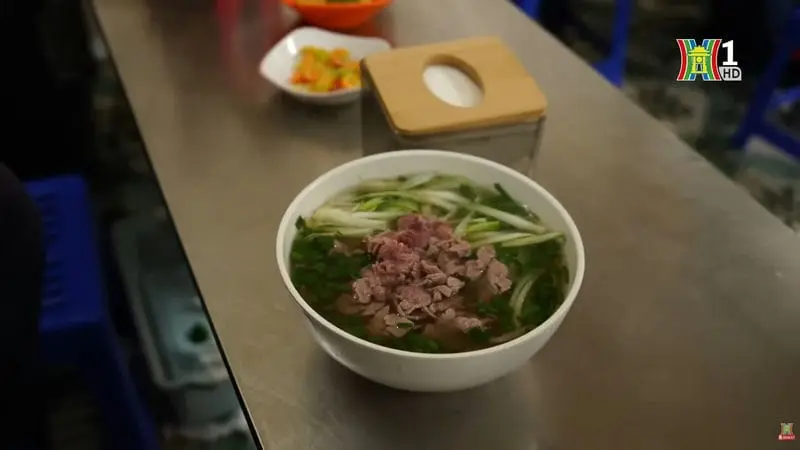
What truly defines Ho Chi Minh City is its food culture. Street food stalls, local eateries, and high-end restaurants coexist within short distances. Dishes like broken rice, snails, and various noodle soups showcase the city’s diversity and regional influences.
Ho Chi Minh City may not offer natural landscapes, but it remains one of the most important places to visit in Vietnam for understanding contemporary Vietnamese culture, business, and urban life.
Conclusion: Diverse Places to Visit in Vietnam
From quiet islands like Phu Quy to bustling urban centers like Ho Chi Minh City, Vietnam offers an extraordinary range of travel experiences. These destinations highlight why Vietnam continues to rank highly among Southeast Asia’s most compelling travel countries.
Whether you are seeking beaches, history, mountains, or city life, the variety of places to visit in Vietnam ensures that each journey feels distinct. More importantly, many destinations reward travelers who slow down, observe carefully, and engage with local culture rather than rushing through highlights.