Vietnam is a country shaped profoundly by climate. Located in Southeast Asia and influenced by tropical monsoon systems, Vietnam experiences abundant sunshine, high humidity, and generous rainfall throughout the year. Among all seasons, the rainy season Vietnam is perhaps the most misunderstood—and yet one of the most defining aspects of daily life and travel in the country.
You May Also Like:
Many travelers, and even locals, often ask a simple question: When does the rainy season begin in Vietnam? The answer, however, is not as straightforward as it seems. Stretching across more than 1,600 kilometers from north to south, Vietnam’s geography creates three distinct climate regions, each with its own rhythm of rain.
Experiencing the rainy season Vietnam is not just about getting wet. It is about understanding how rain reshapes cities, countryside, food culture, transportation, and everyday habits. After living and traveling extensively across the country, I came to realize that the rainy season does not feel the same in the South, the Central region, or the North. Each offers a completely different experience.
Rainy Season Vietnam in the South: Sudden Showers, Living Streets, and Gentle Relief
(May to October)
When people ask, “When does the rainy season start in southern Vietnam?” the answer is both simple and familiar: from May to October. Yet anyone who has actually lived through the rainy season Vietnam in the South knows that this answer only scratches the surface. The monsoon months here are not defined solely by rainfall statistics or calendar dates, but by rhythm, atmosphere, and a distinct way of life that emerges with the rain.
First Encounters With the Southern Rain
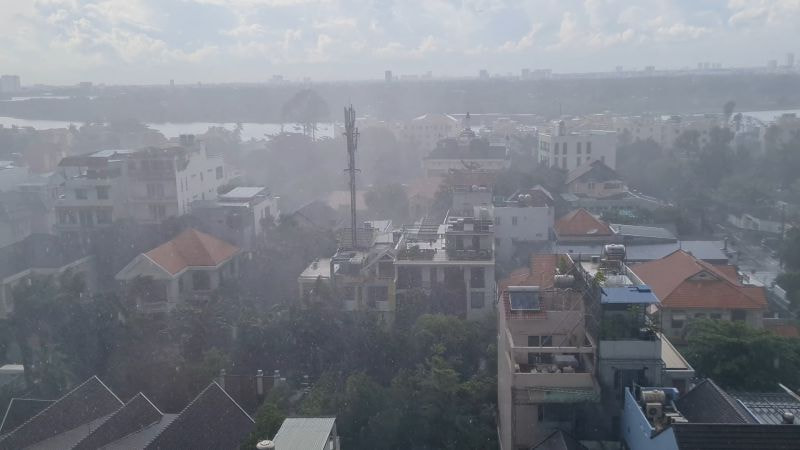
Experiencing the rainy season Vietnam in Ho Chi Minh City for the first time can feel almost theatrical. The day often begins under an unforgiving sun. Concrete roads shimmer with heat. Motorbike engines hum endlessly, and the air feels thick, almost heavy, pressing against the skin.
Then, suddenly, everything changes.
Without warning, dark clouds gather overhead. The light shifts. The sky grows dense and low. Within minutes, the rain arrives—fast, loud, and unapologetic. Water crashes onto rooftops, floods alleyways, and turns streets into flowing mirrors of neon signs and passing headlights.
And just as abruptly as it begins, the rain ends.
This is the defining character of the rainy season Vietnam in the South: short, intense, and unpredictable. Unlike other regions where rain settles in for days, southern rain makes its statement and moves on, leaving behind cooler air, rinsed streets, and a city that feels briefly renewed.
A City That Adapts Instinctively
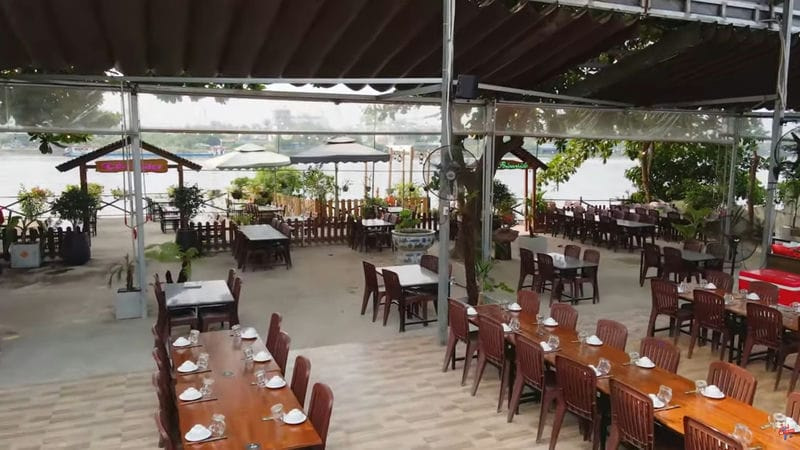
One of the most fascinating aspects of the rainy season Vietnam in southern cities is how seamlessly daily life adapts. When the rain starts, cafés pull down plastic curtains, street vendors pause and wait, and motorbike riders slip on ponchos with practiced ease. There is no panic—only routine.
Thirty minutes later, the rain eases. Vendors return. Coffee cups reappear on sidewalks. The city resumes its pace as if nothing happened.
For locals, this cycle is deeply familiar. Many even consider the rainy season Vietnam the most comfortable time of year. The rain lowers temperatures, clears dust from the air, and softens the harshness of tropical heat. While humidity remains high, the oppressive intensity of the dry season fades.
Climate Characteristics of Southern Vietnam’s Rainy Season
During the rainy season Vietnam in the South, several key climate patterns define daily experience:
- Rainfall is frequent but rarely continuous
- Showers are heavy and concentrated, often lasting less than an hour
- Temperatures drop slightly, making afternoons more tolerable
- Humidity stays high, but heat becomes less suffocating
This combination explains why many residents prefer these months. Trees appear greener, canals fill with water, and the city feels more alive. In contrast to the dry season’s relentless sun, the rainy season Vietnam introduces variation—moments of drama followed by calm.
Living With Uncertainty
Unpredictability is the defining feature of southern rain. A morning may begin under pouring rain, only to turn bright and sunny by lunchtime. On other days, heat builds relentlessly until evening, when a sudden downpour arrives like a long-awaited release.
People often joke that the rain here behaves like a temperamental personality—cheerful one moment, moody the next. This is why umbrellas, raincoats, and ponchos are essential items. Motorbike riders, in particular, rarely leave home without rain gear during the rainy season Vietnam. Rain can strike at any intersection, at any time.
Yet this uncertainty has also shaped a uniquely flexible mindset. Plans remain loose. People adapt. The rain becomes something to work around, not something to fight.
Rainy Season Vietnam in Central Regions: Endurance, Silence, and Strength
(September to February)
If the rainy season Vietnam in the South feels spontaneous and almost playful, the rainy season Vietnam in the Central region is an entirely different experience—serious, persistent, and deeply transformative.
When the Rains Truly Begin
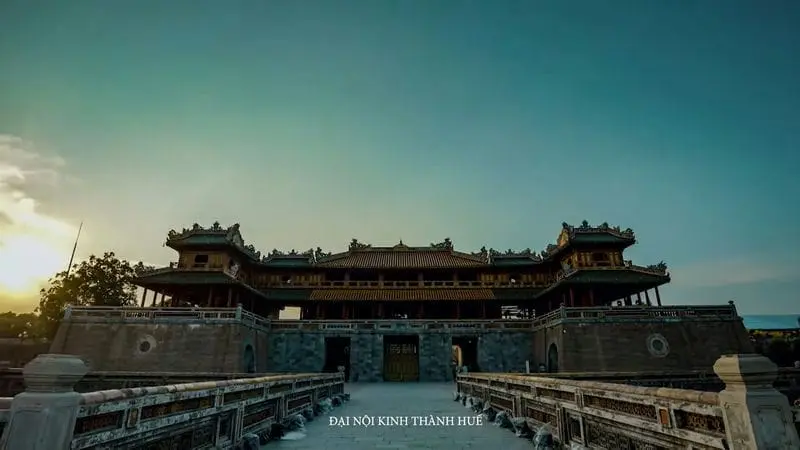
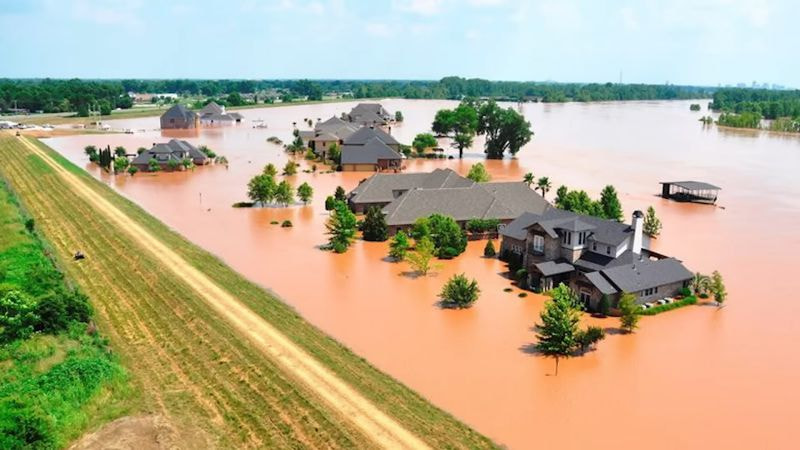
In Central Vietnam, including destinations such as Hue, Da Nang, Quang Nam, and other coastal provinces, the rainy season Vietnam typically begins in September and extends through February of the following year. The exact timing can vary each year depending on storm systems and climate patterns, but once it begins, there is little doubt that the season has arrived.
Here, rain does not announce itself dramatically and then retreat. It settles in.
A Different Emotional Landscape
Experiencing rain in Central Vietnam is not just a physical sensation—it is an emotional shift. The sky often remains overcast for days. Light becomes muted. Colors soften. Rivers swell steadily rather than suddenly, and the sound of rain becomes a constant background presence.
Locals describe this season with a striking phrase: “Rain that rots the soil and sand.” The expression captures not only the volume of rainfall, but its persistence. Unlike the brief showers of the South, Central rain can fall continuously for days, sometimes weeks, without meaningful breaks.
This is the rainy season Vietnam at its most intense.
Cold, Heavy, and Unforgiving
Another defining feature of Central Vietnam’s rainy season is temperature. While the region does not experience the biting cold of northern winters, the combination of cold rain, strong winds, and high humidity creates a chill that penetrates deeply.
Clothes rarely dry. Floors remain damp. The air feels heavy and unyielding. By November, rain becomes colder and more relentless, shaping daily life in ways that visitors often underestimate.
Daily Life During the Central Rainy Season
During peak months of the rainy season Vietnam in Central regions, everyday activities become significantly more challenging:
- Outdoor labor is severely limited
- Fishing schedules are frequently disrupted
- Rural transportation becomes difficult due to flooding
- Farming cycles are delayed or altered
In early September and October, rainfall may begin gradually as the region transitions into the monsoon. But by late autumn, rain dominates nearly every aspect of life.
Architecture and Adaptation
Living with the rainy season Vietnam in Central regions has shaped local architecture and planning. Homes are often built with elevated foundations, reinforced drainage systems, and flood-resistant layouts. Families store essentials in anticipation of prolonged rain.
People follow weather forecasts closely, adjusting work schedules and travel plans accordingly. Children grow up understanding rain not as a novelty, but as a defining feature of their environment.
Quiet Strength and Collective Resilience
Despite the hardships, there is a profound sense of resilience in how communities endure the rainy season Vietnam in Central areas. Life slows down, but it does not stop. Neighbors help one another. Shared routines emerge around waiting, watching, and adapting.
There is a quiet dignity in this endurance. The rain strips life down to its essentials, revealing a strength rooted in patience rather than resistance.
Two Regions, One Rainy Season Vietnam
Experiencing the rainy season Vietnam across different regions reveals a country of striking contrasts.
In the South, rain brings relief, rhythm, and renewal. It interrupts the heat, refreshes the streets, and creates moments of spontaneous beauty. In the Central region, rain demands respect. It reshapes landscapes, challenges livelihoods, and tests resilience.
Together, these experiences show that the rainy season Vietnam is not a single phenomenon, but a spectrum of lived realities—each shaped by geography, culture, and history.
Rainy Season Vietnam in the North: Elusive, Layered, and Difficult to Pin Down
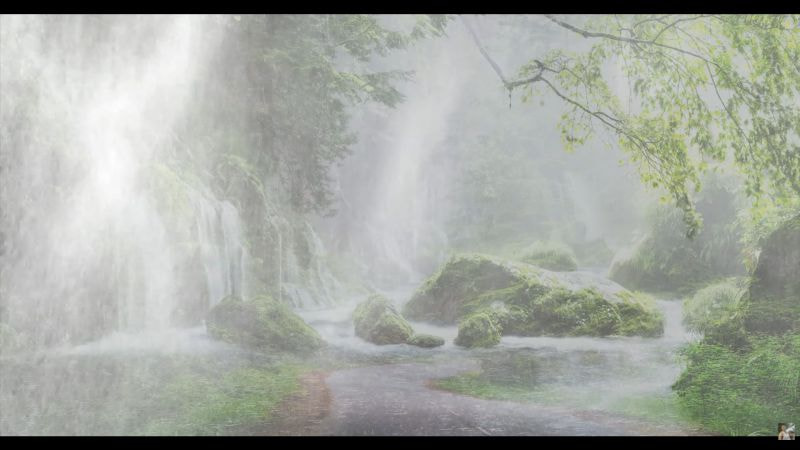
Unlike the South or Central regions, where the rainy season Vietnam arrives with clear boundaries and recognizable patterns, the North presents a far more nuanced and shifting picture. Here, rain is not a single season—it is a recurring presence that changes character as the year unfolds.
For travelers and even locals, defining the rainy season Vietnam in the North can feel like trying to describe something constantly in motion. Rain appears, disappears, transforms, and returns under different names: drizzle, storm, mist, or cold rain. It is this complexity that makes Northern Vietnam’s climate both fascinating and difficult to categorize.
A Climate Shaped by Four Distinct Seasons
Northern Vietnam is unique in the country for its four-season climate: spring, summer, autumn, and winter. Each season brings its own type of rain, making the idea of a single rainy season Vietnam in the North almost irrelevant.
- Spring introduces fine mist and persistent drizzle
- Summer delivers sudden, powerful rainstorms
- Autumn is comparatively dry and stable
- Winter brings cold air with occasional light rain
Rather than dominating one fixed period, rain weaves itself throughout the year. As a result, Northern Vietnam feels less like it has a rainy season and more like it has a rain-influenced climate.
Spring: Mist, Drizzle, and Soft Light
Spring rain in Northern Vietnam is subtle and quiet. Instead of dramatic downpours, the rainy season Vietnam during spring takes the form of fine drizzle and mist that can last for days.
In cities like Hanoi, this rain feels almost atmospheric. Streets glisten without flooding. Trees remain damp. The air grows heavy, and visibility softens. Locals refer to this rain as mưa phùn—a light, persistent drizzle that seems to hover rather than fall.
For travelers, spring rain can feel romantic at first, wrapping lakes and old streets in haze. But over time, the constant moisture can feel draining. Clothes struggle to dry, walls feel damp, and the lack of sunlight subtly affects mood and energy.
Summer: Heat, Storms, and Sudden Downpours
Summer is when the rainy season Vietnam in the North becomes most visible and dramatic. From late May through August, intense heat builds during the day, often followed by sudden afternoon or evening storms.
These storms can be violent but brief. Thunder rolls across the city. Rain pounds rooftops. Streets flood temporarily. Then, just as quickly, the sky clears and the heat returns.
Rain in northern summers feels spontaneous and scattered. One day may pass without a drop. The next brings torrential rain at rush hour. This unpredictability defines the rainy season Vietnam in the North—it never fully takes over, but it never disappears either.
Autumn: A Pause in the Rain
Autumn is often considered the most pleasant season in Northern Vietnam. Rainfall decreases, humidity drops, and the air becomes clearer and cooler. During this time, the rainy season Vietnam feels distant, almost forgotten.
This period highlights the contrast between regions. While Central Vietnam may already be entering heavy rain, the North enjoys relative calm. Clear skies, mild temperatures, and stable weather make autumn ideal for travel.
Winter: Cold Rain and Penetrating Dampness
Winter rain in the North is light but deeply uncomfortable. Temperatures drop, and rain combines with cold air to create a chill that feels sharper than the thermometer suggests.
Unlike summer storms, winter rain does not cleanse or refresh. It lingers. It soaks. Even brief rainfall can make streets slippery and visibility poor.
This form of the rainy season Vietnam is subtle yet impactful, affecting daily routines, travel habits, and even architecture, as homes are designed to retain warmth and limit moisture.
Experiencing the Rainy Season Vietnam as a Traveler
Traveling during the rainy season Vietnam offers a perspective that dry-season visitors rarely see. Rain transforms landscapes and reveals how daily life adapts to nature rather than resisting it.
Mountains turn intensely green. Rivers swell with life. Rice fields reflect the sky like mirrors. Cities slow down, becoming more introspective and less performative.
However, rain also introduces practical challenges that travelers must understand.
How Rain Affects Mobility
During the rainy season Vietnam, movement becomes more complex:
- Roads grow slippery, especially in older urban areas
- Flooded streets can hide potholes and debris
- Visibility drops significantly at night
- Motorbike travel becomes riskier
In Northern Vietnam, where rain can appear suddenly, these challenges often catch people off guard. A clear afternoon can turn into a dangerous commute within minutes.
Night Travel and Reduced Visibility
Rain has a particularly strong impact on night travel. Reflections from streetlights bounce off wet surfaces, distorting depth perception. Headlights from oncoming traffic scatter through falling rain, further reducing clarity.
For motorbike riders and drivers alike, the rainy season Vietnam increases cognitive load. Reaction time slows. Hazards become harder to detect. What feels manageable during the day can become genuinely dangerous after dark.
Road Safety During the Rainy Season Vietnam
One of the most practical concerns during the rainy season Vietnam is road safety. Rain does not merely reduce comfort—it directly affects visibility and control.
The Hidden Dangers of Rainy Roads
Heavy rain creates conditions that obscure real risks:
- Potholes disappear under shallow flooding
- Oil residue rises to the surface, increasing slipperiness
- Lane markings become harder to see
- Pedestrians appear suddenly from low visibility zones
In Northern Vietnam, where infrastructure varies greatly, these dangers are especially pronounced.
Lighting as a Safety Solution
To adapt, many drivers invest in improved vehicle lighting during the rainy season Vietnam. Modern lighting systems offer significant advantages:
- Stronger illumination enhances road clarity
- Longer-range beams allow earlier hazard detection
- Fog-penetrating light cuts through rain and mist
Advanced systems now integrate low and high beams, multiple color temperatures, and optimized beam patterns specifically designed for rain and fog.
These upgrades are not about speed or aesthetics—they are about safety. Better lighting improves reaction time, protects pedestrians, and reduces fatigue during long or stressful commutes in heavy rain.
Why the Rainy Season Vietnam Should Not Be Avoided
Many travelers instinctively avoid Vietnam during the rainy season, fearing inconvenience or disruption. Yet those who experience it firsthand often discover a deeper, more authentic version of the country.
A Different Kind of Beauty
During the rainy season Vietnam:
- Landscapes are at their greenest
- Air quality often improves after rainfall
- Tourist crowds thin dramatically
- Daily life feels less staged and more real
Rain strips away spectacle and reveals routine. It shows how cities breathe, how people adapt, and how culture persists regardless of weather.
Experiencing Vietnam Beyond the Postcard
The rainy season Vietnam reveals Vietnam not as a static destination, but as a living system responding to nature. Markets operate under tarps. Conversations pause during downpours. Tea tastes warmer. Streets feel more human.
Rather than avoiding the rain, embracing it allows travelers to witness Vietnam as it truly is—complex, adaptive, and deeply connected to its environment.
Final Reflections on Rainy Season Vietnam in the North
The rainy season Vietnam in the North resists simple definition. It is layered, seasonal, and ever-changing. Rain here does not dominate—it interacts.
From misty spring mornings to violent summer storms, from autumn calm to winter chill, rain shapes the rhythm of northern life without ever fully claiming it.