Traveling through Vietnam in October is an experience defined by transition. It is a month when the country begins to shift away from the extremes of summer, yet has not fully settled into the stability of the dry season. The weather feels dynamic, sometimes unpredictable, and deeply regional. Understanding October weather in Vietnam is essential for travelers who want to plan realistically and travel comfortably.
You May Also Like:
October sits at the intersection of seasonal systems. Tropical influences remain active, while cooler air masses begin to make their presence felt in the north. Rainfall patterns change rapidly, and weather conditions can vary dramatically from one region to another—even within the same day. Rather than being a limitation, this complexity adds texture to the travel experience, shaping landscapes, daily routines, and the rhythm of movement across the country.
A Month Influenced by Tropical Systems
Traveling through Vietnam in October means entering a month that is heavily shaped by tropical forces. Unlike calmer periods of the year, October weather in Vietnam is closely tied to large-scale atmospheric activity over the East Sea, making the month feel dynamic, changeable, and occasionally dramatic.
One of the defining characteristics of October is the continued presence of tropical systems in the region. During this month, there is typically a high likelihood of two to three tropical cyclones forming and operating over the East Sea. Not all of these systems make landfall, and many remain offshore. However, even distant storms play a significant role in shaping weather conditions across the country.
For travelers, this means that October is not a month of complete predictability. Changes in wind direction, shifts in humidity, and sudden increases in rainfall can occur even when no storm is directly overhead. The influence of tropical systems extends far beyond their centers, affecting wind patterns, rainfall distribution, cloud cover, and sea conditions across much of Vietnam.
Coastal areas are especially sensitive to these changes. Regions in the North, North Central, and Central Central parts of the country are more likely to feel either the indirect or direct effects of tropical activity. At times, the weather can shift quickly—from calm and overcast to windy and rain-heavy within a matter of hours.
Heavy rainfall, strong winds, and rough sea conditions can appear intermittently. Even when storms do not fully impact the mainland, their presence offshore may still disrupt ferry services, fishing activities, and coastal travel plans. This reality makes weather awareness an essential part of traveling during October weather in Vietnam, particularly for those moving between regions or planning coastal experiences.
At the same time, October marks the early arrival of cold air masses, especially in northern Vietnam. These cooler air systems typically begin to appear around the middle of the month and grow more frequent toward the latter half of October. While they are not as intense as winter cold fronts, their interaction with warm, moisture-rich tropical air creates unstable atmospheric conditions.
This meeting point between tropical moisture and advancing cool air is what gives October weather in Vietnam its layered and sometimes dramatic character. Sudden rainstorms, shifting winds, and rapid temperature changes are all products of this interaction. For travelers, this adds both challenge and texture to the experience, making October feel alive and responsive rather than static.
Rainfall Patterns: Where and When It Rains
Rain is one of the most noticeable and influential elements of October weather in Vietnam, yet it does not fall uniformly across the country. Instead, rainfall patterns are highly regional and evolve steadily as the month progresses.
In Northeast Vietnam, along with the North Central and Central Central regions, rainfall tends to be more concentrated and persistent throughout October. These areas often experience extended rainy periods rather than short, isolated showers. Rain may fall for hours or even days at a time, reshaping the landscape and influencing daily life.
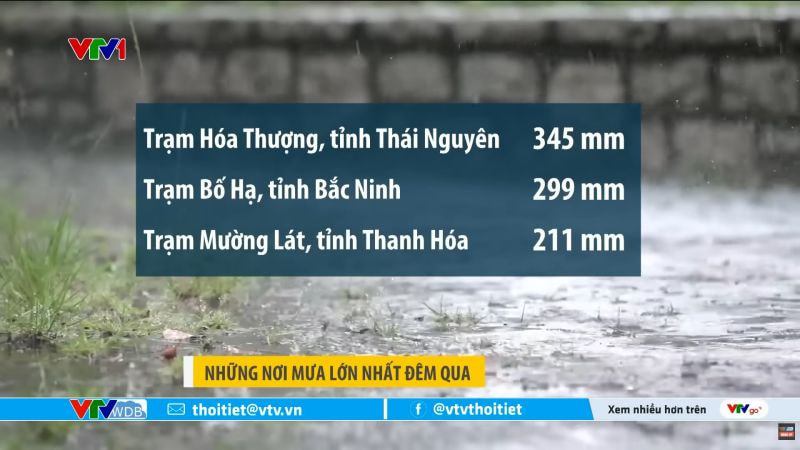
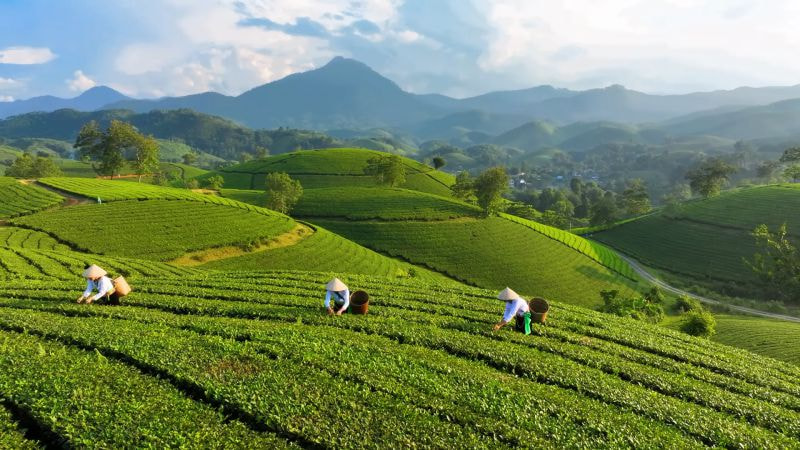
During these periods, rivers rise visibly, low-lying areas become saturated, and vegetation responds quickly. Fields turn a deep, vivid green, and the air becomes thick with moisture. For travelers, this creates a sense of immersion in the natural cycle of the region, but it also requires patience and flexibility.
By contrast, the Central Highlands and Southern Vietnam experience rainfall in a more rhythmic and predictable pattern. In these regions, October rain typically arrives from the late afternoon through the evening, sometimes extending into the early morning hours.
Days often begin warm and relatively dry. Travelers may spend the morning exploring markets, cities, or countryside under overcast or lightly sunny skies. As the day progresses, clouds build gradually, and by late afternoon, thunderstorms begin to form. These storms can be intense, with heavy rain, thunder, and lightning, but they often pass within a few hours.
This daily cycle is a defining feature of October weather in Vietnam in the south. It allows travelers to plan activities around the rain rather than avoid them entirely. Mornings and early afternoons remain usable, while evenings encourage slower, indoor experiences.
Across all regions, October also brings an increased need for awareness of extreme weather phenomena. Thunderstorms may be accompanied by lightning, whirlwinds, and strong gusts of wind. While these events are not constant, they are recurring features during periods of atmospheric instability.
For travelers, understanding these rainfall patterns is essential. October weather in Vietnam does not necessarily prevent travel, but it does demand adaptability and realistic expectations.
The Influence of the Madden–Julian Oscillation
Beyond visible storms and rainfall, large-scale atmospheric patterns quietly shape October weather in Vietnam—particularly during the first part of the month. One of the most influential of these patterns is the Madden–Julian Oscillation (MJO).
The MJO is a tropical intra-seasonal weather phenomenon that moves eastward around the globe, affecting rainfall and storm activity in tropical regions. During the first ten days of October, the MJO often becomes active over the Western Pacific, directly influencing weather conditions in Vietnam.
When the MJO is active in this region, it increases atmospheric instability and enhances moisture transport. For southern Vietnam, this often translates into higher rainfall frequency, increased cloud cover, and elevated humidity levels during early October.
From a traveler’s perspective, the effects of the MJO may not always be immediately obvious, but they are felt through subtle changes in daily conditions. Rain showers may become more frequent, skies may remain overcast for longer periods, and weather can shift rapidly throughout the day.
Importantly, MJO activity does not usually result in constant or uninterrupted rain. Instead, it creates a background environment where weather changes more quickly than expected. A sunny morning can turn into a stormy afternoon with little warning, reinforcing the sense that October weather in Vietnam is inherently changeable.
Understanding this broader climatic influence helps explain why October often feels less stable than other months, even in the absence of major storms or tropical cyclones.
Early October: A Brief Window of Balance
Despite its reputation for unsettled weather, October often begins with a short period of relative balance. The first few days of the month—particularly from October 1 to October 4—can feel noticeably calmer in many parts of Vietnam.
During this time, Northern and Central Vietnam often experience limited rainfall and more frequent daytime sunshine. While cloud cover may still be present, rain tends to be scattered rather than widespread.
In Northern Vietnam, occasional rain may occur due to wind convergence at altitudes of up to 3,000 meters. These showers are typically localized and brief, rarely affecting entire regions at once. As a result, many days remain suitable for sightseeing and outdoor activities.
This early October period often feels like a transition point—a pause before more active weather systems take hold. Temperatures remain warm, humidity is manageable, and rain does not yet dominate the travel experience.
For travelers fortunate enough to arrive during this window, early October can feel surprisingly forgiving. Days are bright enough for walking tours, photography, and exploration, while evenings remain calm and comfortable.
This brief balance highlights the layered nature of October weather in Vietnam. The month is not uniformly wet or stormy; instead, it unfolds in phases, each with its own character and challenges.
Experiencing October Weather on the Ground
From a lived perspective, October weather in Vietnam feels deeply connected to movement and rhythm. Streets glisten after rain, rivers flow more forcefully, and daily routines adapt to the timing of showers and storms.
Cities respond quickly to changing conditions. Traffic slows during heavy rain, cafés fill as people seek shelter, and conversations naturally shift toward weather awareness. In rural areas, life continues with practiced familiarity, shaped by generations of adaptation to seasonal change.
For travelers, October rewards attentiveness. Observing how people adjust plans, clothing, and schedules provides insight into daily life that might be missed during more predictable seasons.
Rather than being a background condition, October weather in Vietnam becomes an active participant in the journey. It shapes decisions, alters expectations, and influences how places are experienced.
Final Reflections on October Weather in Vietnam
October is not the easiest month to travel in Vietnam, but it is one of the most revealing. The presence of tropical systems, shifting rainfall patterns, and large-scale atmospheric influences creates a month defined by movement and transition.
October weather in Vietnam demands flexibility, patience, and awareness. It challenges rigid itineraries but rewards travelers with dynamic landscapes, fewer crowds in some regions, and a deeper understanding of how climate shapes everyday life.
For those willing to adapt, October offers a layered, authentic travel experience—one where weather is not an obstacle, but a defining feature of the journey.
Mid-October in Vietnam: When the Weather Turns More Dramatic
As October moves beyond its opening days, Vietnam’s weather begins to reveal a more complex and demanding side. The middle of the month marks a clear shift—one that many travelers remember vividly. This is the period when October weather in Vietnam becomes more unstable, more expressive, and, in some ways, more unpredictable.
Around October 5 to 6, large-scale atmospheric systems begin to interact more actively over the region. One of the most influential is the Intertropical Convergence Zone (ITCZ), which often intensifies during this time. When this zone strengthens and combines with disturbances in easterly winds along the southern edge of the subtropical high-pressure system, rainfall across much of the country increases noticeably.
For those traveling during mid-October, this shift is not subtle. Rain returns after the relative calm of early October, and in many places, it does so with conviction.
Northern and Central Vietnam: A Return of Rain
In Northern and Central Vietnam, mid-October often feels like a reset in weather patterns. After a brief window of clearer days earlier in the month, rain showers and thunderstorms begin to reappear with greater frequency.
In the Red River Delta, including Hanoi and surrounding provinces, rain may arrive suddenly, transforming familiar streets into reflective surfaces that mirror the sky. The air grows cooler, and the pace of daily life slows slightly as people adapt to wetter conditions. While rain does not necessarily fall all day, it becomes a regular presence—sometimes light and persistent, other times heavy and short-lived.
Along the coast and throughout the North Central and Central Central regions, rainfall can become more intense. Moderate to heavy rain is common, particularly in coastal provinces where moisture-laden winds meet land. These rains are not merely background weather; they shape travel plans, transportation schedules, and daily routines.
Yet, despite the inconvenience, many travelers find this period visually striking. Dark clouds rolling in from the sea, dramatic sunsets breaking through rain curtains, and freshly washed landscapes all contribute to the distinctive atmosphere of October weather in Vietnam.
Travel During Mid-October: Flexibility Is Essential
Mid-October is not a time for rigid itineraries. Weather conditions can change quickly, and travelers benefit from maintaining a flexible mindset.
Outdoor activities—such as trekking, cycling, or extended sightseeing—may require adjustment. Some days invite exploration, while others are better suited for cafés, museums, or simply watching the rain fall from a sheltered balcony.
That said, this period also offers rewards. The rain refreshes the landscape, deepens colors, and cools the air. Rice fields glow greener, rivers swell with life, and the countryside feels renewed. For photographers and travelers who appreciate mood and atmosphere, mid-October can be one of the most compelling times to experience Vietnam.
This balance between challenge and beauty is a defining characteristic of October weather in Vietnam.
Southern Vietnam and the Central Highlands: A Familiar Rhythm Continues
While the north and central regions experience increasing instability, Southern Vietnam and the Central Highlands follow a more familiar tropical rhythm during October.
In these regions, weather is largely shaped by southwesterly winds of moderate intensity. These winds carry moisture inland, setting the stage for frequent afternoon and evening thunderstorms. The pattern is predictable, even if the intensity varies.
Most days begin warm and relatively dry. Mornings are often the best time for travel, sightseeing, or outdoor activities. As the afternoon progresses, clouds gradually build, and by late afternoon or early evening, rain becomes more likely.
These storms can be dramatic—brief but intense, accompanied by lightning, strong gusts of wind, and bursts of heavy rain. However, they rarely last all night. By early morning, conditions usually stabilize again, allowing the daily cycle to repeat.
This rhythm shapes daily life in the south and is an essential part of understanding October weather in Vietnam from a traveler’s perspective.
Caution During Thunderstorms
Despite their predictability, October storms in Southern Vietnam and the Central Highlands should not be underestimated. Lightning, localized flooding, and strong winds can occur, particularly in rural or mountainous areas.
Travelers are advised to plan activities earlier in the day, monitor local forecasts, and remain cautious when storms develop. Roads in remote areas may become slippery, and river levels can rise quickly after heavy rain.
Still, many visitors find that these evening storms add drama rather than disruption. Watching rain sweep across a city skyline or hearing thunder echo over highland valleys becomes part of the travel experience—another layer of what October weather in Vietnam has to offer.
October Temperatures: A Transitional Landscape
Temperature-wise, October is less about extremes and more about transition. Across the country, temperatures gradually shift as seasonal influences begin to change.
During the early part of the month, average temperatures in many regions are slightly higher than long-term norms. Nationwide, temperatures often sit about 0.5–1°C above average. In Northern Vietnam and the North Central region, this increase can reach 1–1.5°C above normal.
This warmth, combined with high humidity and frequent rain, can make the air feel heavier than the numbers suggest. Days may feel warmer than expected, particularly when clouds trap heat close to the ground.
As October moves into its middle ten days, temperatures begin to moderate. Across most regions, averages return closer to long-term norms. In Northern Vietnam and the North Central region, temperatures may even dip slightly—around 0.5–1°C below average—reflecting the increasing influence of cooler air masses from the north.
By the final third of the month, temperatures stabilize across the country, signaling a gradual transition toward the more settled conditions of November.
Rainfall Through the Month: A Clear Progression
One of the most important aspects of October weather in Vietnam is how rainfall evolves over the course of the month. Rather than remaining constant, rainfall follows a clear three-phase progression.
Early October: Near-Normal Conditions
At the beginning of the month, total rainfall across most regions is close to long-term averages. Rain occurs, but it rarely dominates. This period often feels balanced and manageable, particularly for travelers.
Mid-October: Peak Intensity
By mid-month, rainfall increases significantly. Nationwide totals often rise 15–30% above average. In especially vulnerable areas—such as coastal provinces, the Red River Delta, and the North Central region—rainfall can exceed averages by 30–50%.
This is the most intense phase of October weather in Vietnam, marked by frequent rain, heightened humidity, and occasional extreme weather events.
Late October: Gradual Easing
As October draws to a close, rainfall begins to decrease, particularly in Northern and North Central Vietnam. Totals may fall 10–20% below average, and in the Northwest, rainfall can be 20–40% lower than normal. Other regions gradually return to near-average conditions.
This easing creates a sense of closure to the month—a transition toward drier, more stable weather.
Experiencing October Weather in Vietnam as a Traveler
October is not the easiest month to travel in Vietnam, but it is one of the most revealing. The weather tells a story—one of transition, contrast, and resilience.
For travelers willing to adapt, October offers fewer crowds, dramatic landscapes, and a deeper understanding of how climate shapes daily life. It is a month when umbrellas become essential companions, schedules remain flexible, and experiences often unfold unexpectedly.
Whether watching storms roll in over coastal towns, navigating rain-soaked streets in historic cities, or enjoying calm mornings before afternoon downpours in the south, travelers come away with a richer, more textured impression of the country.
In this sense, October weather in Vietnam is not merely something to endure or avoid. It is an experience in itself—complex, atmospheric, and deeply tied to the rhythm of the land.
The Travel Experience: What October Feels Like on the Ground
From a traveler’s perspective, October weather in Vietnam feels alive and responsive. The country reacts visibly to rainfall—fields turn greener, rivers run fuller, and the air carries the scent of wet earth and vegetation.
Cities feel different during this month. Streets glisten after rain, traffic slows during downpours, and daily routines adapt to shifting conditions. In rural areas, life continues in rhythm with the weather, offering travelers an authentic glimpse into how communities coexist with seasonal change.
October is not a month for rigid itineraries. It rewards travelers who remain adaptable, observant, and open to changing plans. Those who embrace the rhythm of October weather in Vietnam often find the experience richer and more memorable than expected.
Final Reflections on October Weather in Vietnam
October in Vietnam is neither the easiest nor the most predictable month for travel—but it is one of the most revealing.
The interplay between tropical systems, advancing cool air, regional rainfall differences, and cultural adaptation creates a layered travel experience. October weather in Vietnam shapes not only the environment, but also how people move, work, and prepare for the seasons ahead.
For travelers who understand its nature, October offers dramatic landscapes, fewer crowds in some areas, and a deeper connection to the country’s natural rhythms. It is a month of transition, contrast, and authenticity—where weather is not merely a background condition, but an active participant in the journey.