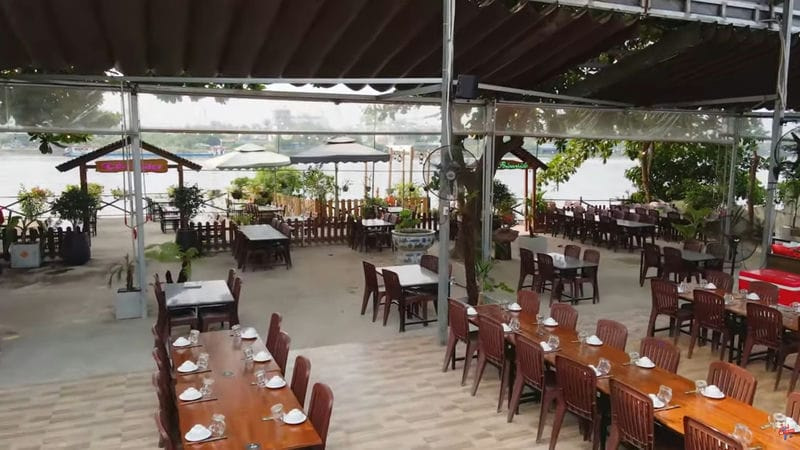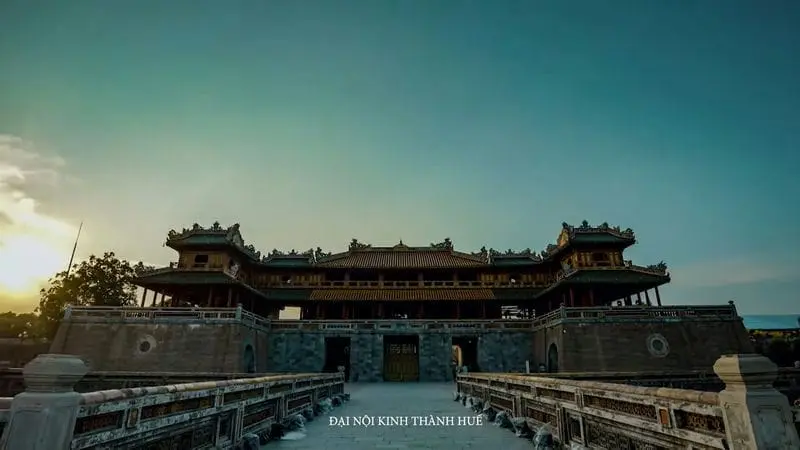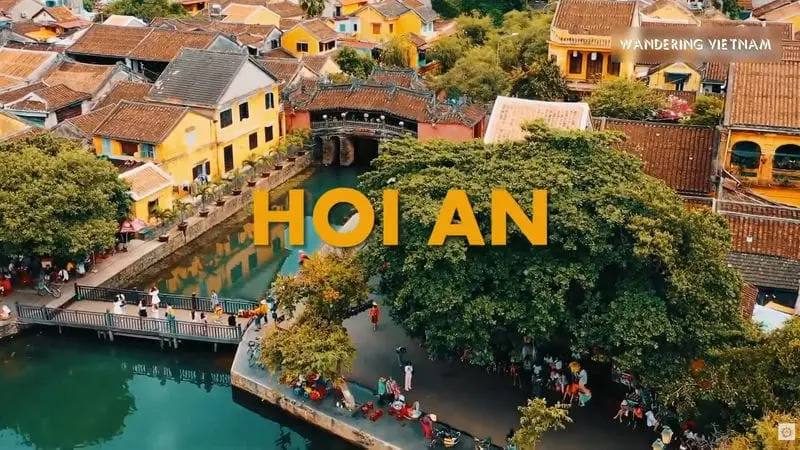
January is a fascinating month to explore Vietnam. As both the beginning of the Gregorian year and the closing chapter of the lunar calendar, it carries a unique rhythm—part festive, part reflective. Traveling through Vietnam in January allowed me to experience striking contrasts in climate, atmosphere, and lifestyle, especially when comparing southern cities like Ho Chi Minh City with the northern regions of the country.
You May Also Like:
Understanding Vietnam January weather is essential if you want to plan a smooth and enjoyable trip. From tropical sunshine in the south to cool, misty mornings in the north, January offers a diverse climate that shapes how and where you should travel.
Experiencing Vietnam January Weather in Ho Chi Minh City
Traveling to Ho Chi Minh City in January offers a distinctly calm and comfortable introduction to Vietnam. Unlike the intense heat and heavy rains that dominate other parts of the year, January feels balanced, predictable, and welcoming. From the moment I stepped outside, it was clear why many travelers consider this period one of the most pleasant times to explore southern Vietnam.
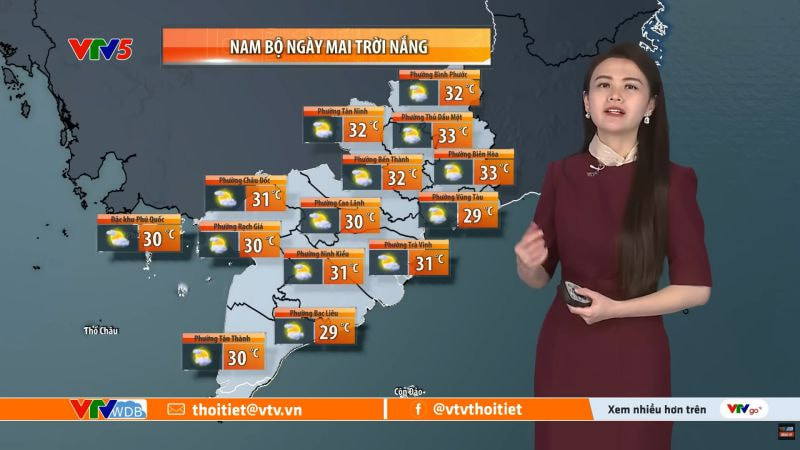
The overall atmosphere of the city in January is bright and unhurried. Streets feel less oppressive under the sun, afternoons are warm without being exhausting, and evenings bring a gentle coolness that invites long walks and outdoor dining. In many ways, Vietnam January weather in Ho Chi Minh City creates ideal conditions for slow, immersive travel—where walking, observing, and lingering become more enjoyable than rushing between attractions.
Temperature Patterns: Warm but Never Overwhelming
One of the most noticeable features of Vietnam January weather in Ho Chi Minh City is its temperature stability. There are no dramatic fluctuations, no sudden cold spells, and no extreme heat waves. Instead, the city settles into a comfortable rhythm that remains consistent throughout the month.
The hottest day of January typically occurs around January 30, when daytime temperatures can reach approximately 31.7°C. Even at this peak, the heat feels manageable rather than stifling. The absence of high humidity and rainfall helps keep the warmth from becoming oppressive, especially compared to later months like April or May.
On the opposite end of the spectrum, the coolest day is usually January 1, when temperatures can dip to around 21.8°C. While technically the “coldest” point of the month, this temperature still feels mild and refreshing rather than chilly. Early mornings and evenings may require a light layer, but the overall sensation remains comfortable—particularly for travelers coming from colder climates.
During the first third of January, average daytime highs hover around 30.6°C, with nighttime lows settling near 22.1°C. These conditions make early January especially pleasant for outdoor activities, as the days are warm enough for sightseeing while nights cool down just enough for restful sleep.
By mid-month, temperatures rise slightly. The second third of January brings average highs of 30.9°C, while nighttime temperatures remain consistent at around 22.1°C. This subtle increase is barely noticeable, but afternoon warmth becomes a bit more pronounced, particularly when walking through open areas or busy districts.
As January draws to a close, the warming trend becomes clearer. In the final third of the month, average daytime temperatures often reach 31.4°C. While still comfortable, this period feels more like a transition toward the hotter months ahead. From a traveler’s perspective, this gradual progression in temperature adds texture to the experience, allowing you to feel the seasonal shift without discomfort.
Overall, Vietnam January weather in Ho Chi Minh City offers a rare combination: tropical warmth without tropical exhaustion. This balance makes January especially appealing for travelers who want to explore extensively without being slowed down by the climate.
Sunshine and Daylight: A Defining Characteristic of Vietnam January Weather
If temperature sets the foundation for comfort, sunshine defines the mood of Ho Chi Minh City in January. One of the most enjoyable aspects of Vietnam January weather is the abundance and consistency of daylight.
Throughout the month, travelers can expect anywhere from 0 to 9 hours of sunshine per day, though the vast majority of days lean strongly toward the higher end of that range. Sunshine is not just frequent—it is dependable, creating an optimistic atmosphere that enhances nearly every aspect of travel.
The sunniest day of the month is typically January 31, when the city can receive up to 9 hours of clear sunshine. On such days, the light feels crisp rather than harsh, illuminating streets, parks, and architecture in a way that feels inviting rather than overwhelming.
In contrast, January 1 often stands out as the least sunny day, occasionally recording 0 hours of sunshine. This overcast start to the month feels like a brief pause before the city opens up into weeks of brightness. Importantly, gloomy days remain the exception rather than the rule.
Across early, mid, and late January, average sunshine remains remarkably consistent—around 9 hours per day. This stability allows travelers to plan confidently, knowing that outdoor activities are unlikely to be disrupted by unexpected cloud cover.
The brightest 10-day period usually occurs between January 21 and 31. During this time, Ho Chi Minh City feels especially vibrant. Streets appear sharper, colors more saturated, and shadows more defined. For photography enthusiasts, this window offers excellent natural lighting for both urban scenes and cultural details.
This abundance of daylight plays a crucial role in shaping the experience of Vietnam January weather in the south. Long sunny days encourage exploration, whether that means wandering through markets, sitting at sidewalk cafés, or simply observing daily life from a shaded street corner.
Rainfall in January: Dry, Light, and Predictable
Rain is often a concern for travelers visiting tropical destinations, but in January, Ho Chi Minh City offers reassurance. Vietnam January weather is characterized by dryness and predictability, making it one of the most reliable months for travel.
Daily rainfall during January typically ranges from 0 mm to 2 mm, placing it firmly among the driest months of the year. Rain, when it occurs at all, tends to be light and brief rather than disruptive.
The wettest day of the month usually falls around January 19, with rainfall measuring only 2 mm. This amount is barely enough to alter travel plans and often passes quickly without leaving lasting effects.
Several days throughout the month—such as January 3—record 0 mm of rainfall, reinforcing the sense that rain is more of a statistical possibility than a lived experience. During the first, middle, and final thirds of January, average rainfall remains around 1 mm, often spread across days that never actually feel rainy.
Notably, many of these periods include zero rainy days, meaning that even the minimal rainfall recorded does not necessarily translate into noticeable precipitation on the ground.
For travelers, this dry pattern translates directly into freedom. Walking tours, river cruises, outdoor dining, and long days of sightseeing can proceed without constant concern about weather interruptions. Whether navigating historical landmarks, cruising along the Saigon River, or exploring narrow food alleys, Vietnam January weather in Ho Chi Minh City rarely demands adjustments.
Humidity Levels and Overall Comfort
Humidity often determines whether warm weather feels pleasant or exhausting. In January, Ho Chi Minh City strikes a favorable balance. Vietnam January weather brings humidity levels that are moderate by tropical standards and noticeably more comfortable than during other times of the year.
Humidity throughout January typically ranges between 65% and 75%. While still humid, these levels are significantly lower than those experienced during the rainy season, allowing the body to cool more efficiently.
The most humid day generally occurs around January 2, when humidity can reach 75%. Even then, the combination of moderate temperatures and dry conditions prevents the air from feeling heavy or oppressive.
Conversely, the driest day is usually around January 22, when humidity can drop to approximately 65%. On such days, the air feels noticeably lighter, enhancing comfort during long walks or outdoor activities.
At the beginning and middle of the month, average humidity sits around 72%, gradually easing to about 70% toward the end of January. This downward trend aligns with the slight increase in temperature, maintaining overall balance rather than intensifying discomfort.
The most humid 10-day period typically falls between January 1 and 10, while the least humid stretch occurs between January 21 and 31. This progression means that as the month advances, conditions often become even more favorable for active exploration.
Taken together, the relationship between warmth, sunshine, low rainfall, and moderate humidity defines the appeal of Vietnam January weather in southern Vietnam. The climate supports long, active days without draining energy, making it particularly attractive for international visitors seeking both comfort and immersion.
Final Impressions of Vietnam January Weather in Ho Chi Minh City
From a traveler’s perspective, January in Ho Chi Minh City represents one of the most balanced climatic windows of the year. The city feels warm but not overwhelming, bright without being harsh, and dry without feeling arid.
Vietnam January weather allows visitors to experience the city fully—walking rather than hiding indoors, observing rather than enduring. It supports exploration at a natural pace, whether that means discovering cultural landmarks, enjoying café culture, or simply absorbing the rhythm of daily life.
For those planning a trip to southern Vietnam, January offers clarity, consistency, and comfort. It is a month where weather fades into the background—not because it is unremarkable, but because it quietly enhances everything else.
Vietnam January Weather in the North: A Completely Different Experience
Traveling to northern Vietnam in January feels like crossing an invisible climatic border. After experiencing the warm, sunlit stability of the south, arriving in the north introduces an entirely different atmosphere—one that is cooler, quieter, and more introspective. The contrast is immediate and striking, shaping not only how the landscape looks, but also how travel itself feels.
Northern Vietnam encompasses a vast and diverse region, including the Northwest, Northeast, and the Red River Delta, spanning 25 provinces and cities. Within this area lie some of the country’s most iconic destinations: Hanoi, Ha Long Bay, Ninh Binh, Sapa, Mai Chau, and Ha Giang. Each location responds differently to the season, yet all are deeply influenced by the defining characteristics of Vietnam January weather in the north.
Unlike the tropical south, where January brings warmth and predictability, northern Vietnam in January is defined by cool temperatures, dry air, and frequent mist. The climate shapes the pace of travel, the types of activities available, and even the emotional tone of the journey. It is a season that invites observation rather than speed, reflection rather than intensity.
Cold, Dry, and Atmospheric: The Essence of Northern Vietnam in January
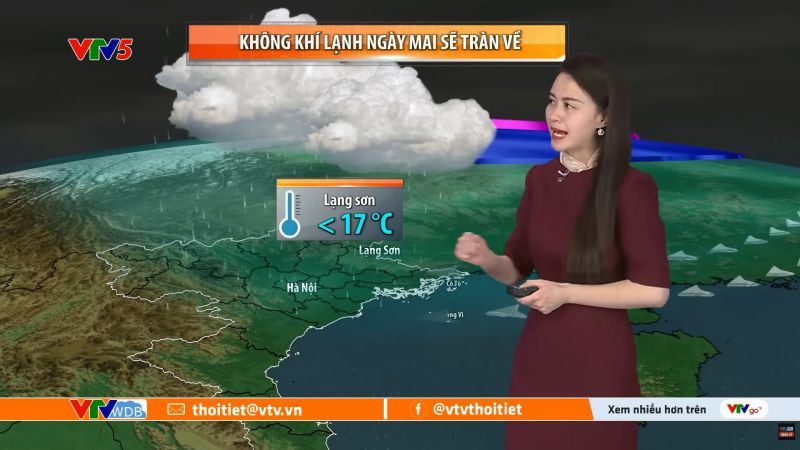
January is widely recognized as one of the coldest and driest months of the year in northern Vietnam. On paper, average regional temperatures hover around 18°C, a figure that might appear mild to travelers unfamiliar with the region. In reality, this average masks significant variation depending on location, altitude, and time of day.
In urban and lowland areas such as Hanoi or the Red River Delta, daytime temperatures often feel cool but manageable. Light jackets are sufficient, and walking through the city remains comfortable. However, once the sun sets, the temperature drops noticeably, and evenings take on a distinctly wintery character.
In mountainous regions, the experience is far more intense. As altitude increases, nighttime temperatures can fall sharply, creating a cold that feels crisp, dry, and occasionally harsh. In places like Sapa, Ha Giang, or the higher elevations of the Northwest, January nights can be genuinely biting, especially for travelers unaccustomed to cold weather in Southeast Asia.
This duality is a defining feature of Vietnam January weather in the north. Days may feel calm and cool, while nights demand preparation, layered clothing, and an adjusted travel rhythm.
Minimal Rainfall, Persistent Mist
Rainfall in northern Vietnam during January is generally low. It is one of the driest periods of the year in terms of precipitation, which allows for clearer roads, fewer weather-related disruptions, and more reliable travel conditions overall.
Yet dryness does not mean clarity.
One of the most characteristic elements of Vietnam January weather in the north is fog and mist, which occur frequently despite the lack of rain. These conditions are especially common in:
- High-altitude mountainous areas
- Coastal regions
- Areas surrounding Ha Long Bay
Early mornings often begin wrapped in mist, with visibility gradually improving as the day progresses. This creates landscapes that feel subdued, quiet, and almost cinematic. Limestone karsts emerge slowly from the haze, rice fields appear softened at the edges, and villages seem suspended in time.
For some travelers, this mist may initially feel like a limitation—obscuring views and muting colors. For others, it becomes one of the most memorable aspects of traveling during Vietnam January weather, lending the region a sense of mystery and emotional depth that is absent during clearer, sunnier months.
Highlands in January: Cold Nights and Rare Snow
The northern highlands offer one of the most dramatic interpretations of Vietnam January weather. While daytime conditions can remain dry and relatively calm, nighttime temperatures often drop to levels that surprise many visitors.
In places such as Sapa or around Fansipan, January nights can become bitterly cold. In rare cases—particularly during cold spells in early January—frost or even snow may appear. Though snowfall is uncommon in Vietnam, it does occasionally occur at high elevations, drawing attention precisely because it is so unexpected.
Witnessing snow in Vietnam is undeniably unforgettable. It transforms familiar landscapes into something entirely different, challenging assumptions about the country’s climate. However, these conditions also demand careful preparation. Roads can become slippery, accommodation heating is limited, and appropriate winter clothing becomes essential.
This extreme edge of Vietnam January weather highlights just how diverse the country’s climate truly is, especially within the northern regions.
How the Cold Shapes Travel Behavior
The cool and dry conditions of January influence not only the environment but also how travelers move through it. Unlike warmer months, when long days of outdoor activity feel effortless, January encourages a slower pace.
Mornings often start later, as travelers wait for temperatures to rise and mist to lift. Afternoons become the most active period of the day, ideal for sightseeing, hiking, or exploring towns and villages. Evenings, however, tend to draw people indoors—toward warm meals, hot drinks, and quiet rest.
This rhythm aligns naturally with the atmosphere created by Vietnam January weather in the north. Travel becomes less about covering distance and more about experiencing place—watching life unfold rather than rushing through it.
Limitations for Water-Based Activities
While northern Vietnam is home to some of the country’s most famous coastal and island destinations, January is not an ideal time for water-based activities in this region.
At Ha Long Bay, Cat Ba Island, and other northern beaches, sea temperatures drop significantly in January. Combined with cool air temperatures, swimming becomes uncomfortable for most travelers. Activities such as snorkeling or extended kayaking sessions are similarly affected.
However, this does not diminish the overall appeal of these destinations. Instead, it shifts the focus.
Boat cruises remain extremely popular in January, particularly among travelers who prioritize scenery and atmosphere over physical activity. Fewer crowds, calm waters, and mist-covered limestone formations create a quieter, more contemplative experience.
The absence of swimming culture allows visitors to appreciate Ha Long Bay in a different way—through silence, scale, and subtle visual detail. This alternative perspective is another distinctive expression of Vietnam January weather in the north.
The Emotional Tone of Northern Vietnam in January
Beyond temperature and visibility, January introduces a noticeable emotional tone to northern Vietnam. The cold air, muted colors, and slower pace create an environment that feels reflective and inward-looking.
Cities like Hanoi take on a poetic quality during this time. Streets feel calmer, lakes appear still, and everyday life unfolds at a measured rhythm. Cafés become refuges, offering warmth and observation points from which to watch the city move.
In rural and mountainous areas, January amplifies the sense of distance and isolation. Villages feel quieter, landscapes more expansive, and silence more present. For travelers seeking introspection, this can be deeply rewarding.
This emotional dimension is inseparable from the experience of Vietnam January weather in the north.
January and Vietnamese Culture: More Than Just Weather
January in Vietnam is not defined by climate alone. It is also one of the most culturally significant months of the year, adding another layer of meaning to travel during this period.
January marks not only the first month of the Western calendar but also the final month of the lunar year. As such, it is a time of transition, preparation, and reflection across the country—especially in the north, where traditional customs are deeply rooted.
As the month progresses, daily life gradually shifts toward preparation for Tet (Lunar New Year), which usually falls in late January or early February. This transition becomes increasingly visible in cities, towns, and villages alike.
Tet Preparations and the Changing Urban Landscape
In the weeks leading up to Tet, streets become livelier and more colorful. Markets fill with:
- Fresh flowers
- Kumquat trees
- Peach blossoms
- Festive decorations
Homes and businesses are cleaned, repainted, and rearranged in anticipation of the new year. This collective effort creates a sense of shared purpose and quiet excitement that permeates daily life.
Families focus on completing unfinished work, resolving lingering matters, and preparing to welcome the year ahead. Traditional foods such as banh chung and banh tet are prepared, often requiring days of shared labor and conversation.
For travelers, witnessing these preparations offers insight into Vietnamese values around family, continuity, and renewal. Experiencing these customs within the context of Vietnam January weather—cool air, misty mornings, and subdued light—adds emotional depth to the journey.
Traveling During Tet Season: What to Expect
As Tet approaches, travel conditions change. Transportation becomes busier, shops may close temporarily, and cities often empty as people return to their hometowns.
However, this shift can also be rewarding. Major cities like Hanoi become quieter during the holiday itself, while rural areas come alive with family gatherings and traditional rituals.
Understanding this cultural rhythm is essential when traveling during Vietnam January weather, as it shapes not only logistics but also the overall experience.
Final Reflections on Vietnam January Weather in the North
Northern Vietnam in January is not a destination for travelers seeking warmth or beach activities. Instead, it appeals to those who value atmosphere, cultural depth, and contrast.
Vietnam January weather in the north is cool, dry, and often misty. It slows movement, softens landscapes, and amplifies cultural rhythms. It invites patience, observation, and a willingness to adapt expectations.
For travelers prepared for cold nights, limited sunlight, and fewer outdoor water activities, January offers a deeply textured and memorable experience. It reveals a side of Vietnam that is quieter, more introspective, and profoundly human—shaped as much by tradition and transition as by temperature.
Where to Travel in Northern Vietnam in January
Hanoi
Hanoi in January feels introspective and poetic. Cool temperatures make walking around the Old Quarter pleasant, while foggy mornings add charm to Hoan Kiem Lake.
Sapa and the Northern Highlands
Ideal for travelers who enjoy dramatic landscapes and cool climates. January offers clear skies but cold nights—perfect for trekking if you’re well-prepared.
Ninh Binh
Dry weather makes January an excellent time to explore limestone karsts, temples, and rice fields without intense heat.
Ha Giang
For adventurous travelers, January offers empty roads, crisp air, and raw mountain beauty—one of the most striking expressions of Vietnam January weather.
Final Thoughts: Is January a Good Time to Visit Vietnam?
From my experience, January is one of the most rewarding months to explore Vietnam—if you understand the regional differences.
- Southern Vietnam offers sunshine, warmth, and dry days.
- Northern Vietnam provides cool temperatures, misty landscapes, and rich cultural atmosphere.
- Central Vietnam (not covered in detail here) often sits somewhere in between.
Whether you are chasing tropical comfort or atmospheric winter scenery, Vietnam January weather delivers a diverse and memorable travel experience. With proper planning and realistic expectations, January can be one of the most meaningful times to discover Vietnam—both climatically and culturally.