Located in the very center of Vietnam’s capital, the Hanoi Old Quarter is more than just a tourist attraction—it is a living museum, a cultural archive, and an emotional experience rolled into one. For travelers who love history, local culture, traditional architecture, and authentic street life, the Hanoi Old Quarter is simply unmissable.
You May Also Like:
With over 1,000 years of continuous history, this area preserves the soul of ancient Thang Long while adapting to the rhythm of modern Hanoi. During my stay near the Old Quarter, every walk felt like stepping into a different century—where narrow streets, timeworn houses, street vendors, and the scent of local food tell stories without words.
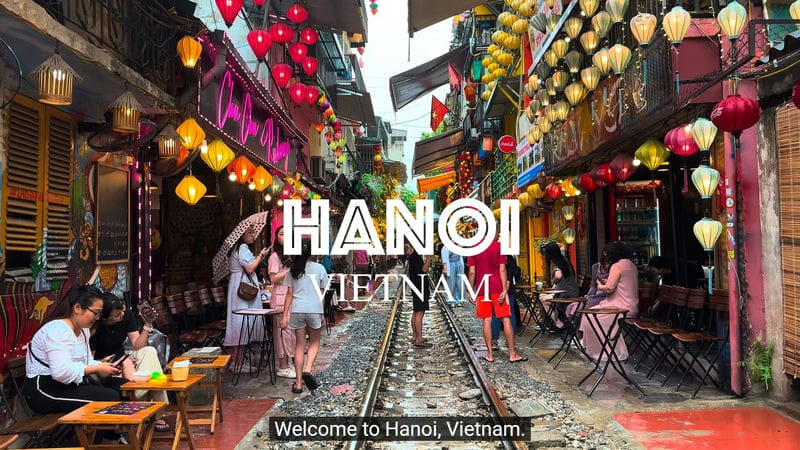
In this experiential review, let’s explore why the Hanoi Old Quarter continues to captivate millions of travelers every year, and what makes it one of Southeast Asia’s most unforgettable urban heritage destinations.
Hanoi Old Quarter – The Cultural and Historical Soul of Vietnam’s Capital
The Hanoi Old Quarter is widely recognized as the cultural and historical soul of Vietnam’s capital. Located in the heart of Hoan Kiem District, this area has served for centuries as the commercial, social, and spiritual center of Hanoi. While modern neighborhoods continue to expand with glass towers, shopping malls, and wide boulevards, the Hanoi Old Quarter remains compact, intimate, and deeply human in scale.
Visiting the Hanoi Old Quarter is not like visiting a museum where history is locked behind glass. Instead, history here is alive. It breathes through daily routines, family-run shops, street vendors, and centuries-old houses where multiple generations still live together. Every step through the Old Quarter is a direct encounter with Hanoi’s past and present coexisting in the same space.
Unlike newer districts designed around cars and modern infrastructure, the Hanoi Old Quarter was shaped for foot traffic, handcarts, and community interaction. Narrow streets, shared courtyards, and low-rise buildings create a sense of closeness that encourages conversation, trade, and human connection. This is why many travelers describe the Hanoi Old Quarter not simply as a destination, but as an experience.
Where Is the Hanoi Old Quarter Located?
The Hanoi Old Quarter lies entirely within Hoan Kiem District, the historic core of the city. Covering an area of approximately 100 hectares, it includes 76 streets spread across 10 main wards, such as:
- Dong Xuan
- Hang Dao
- Hang Ma
- Hang Bac
- Hang Gai
- Hang Buom
- Hang Bong
- Ly Thai To
- Cua Dong
The boundaries of the Hanoi Old Quarter are clearly defined:
- North: Hang Dau Street
- West: Phung Hung Street
- South: Hang Bong, Hang Gai, Cau Go, and Hang Thung Streets
- East: Tran Quang Khai and Tran Nhat Duat Streets
This compact geographical layout explains why the Hanoi Old Quarter feels so immersive. Everything is close together, yet nothing feels repetitive. A short walk of a few hundred meters can take you from a noisy wholesale market to a quiet temple courtyard, from a traditional tailor shop to a minimalist coffee space hidden behind a wooden door.
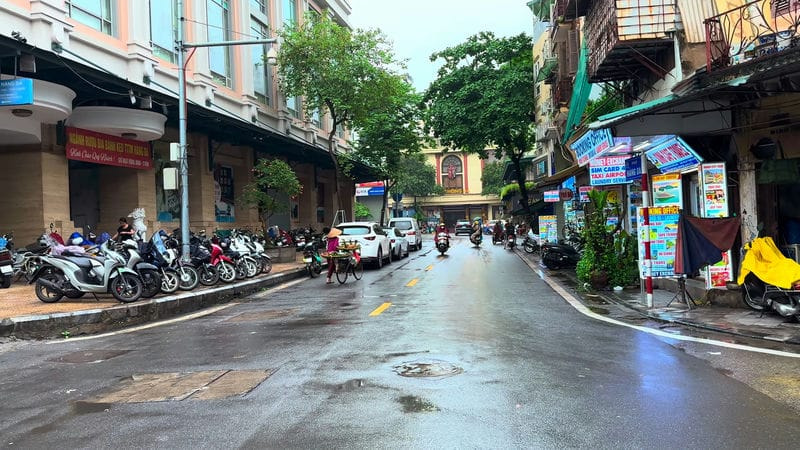
Exploring the Hanoi Old Quarter on foot is not just recommended—it is essential. Walking allows visitors to absorb the rhythm of the streets, notice architectural details, and experience the subtle transitions between different cultural layers.
Why the Hanoi Old Quarter Is Truly Unique
Hanoi has many historic streets scattered across districts such as Ba Dinh, Dong Da, and Hai Ba Trung. However, the Hanoi Old Quarter stands apart as the most concentrated and best-preserved historic urban area in the city.
When people refer to the “Hanoi Old Quarter,” they almost always mean this specific zone in Hoan Kiem District. It is protected by strict government regulations aimed at preserving traditional architecture, urban density, and cultural identity. New construction is carefully controlled, and renovations must follow heritage guidelines to maintain the character of the area.
What makes the Hanoi Old Quarter unique is not just its age, but its continuity. Many families have lived and worked on the same street for generations. Businesses are often inherited rather than created from scratch. As a result, the Old Quarter retains a sense of authenticity that is increasingly rare in rapidly modernizing cities across Asia.
A Living Legacy of Traditional Craft Streets
One of the defining features of the Hanoi Old Quarter is its historical organization around specialized trades. In the past, each street focused on a particular craft, product, or service—an urban system that shaped both the economy and identity of the area.
Some of the most well-known examples include:
- Hang Ma Street: Paper offerings, ceremonial items, festival decorations
- Hang Bac Street: Silver jewelry, metalwork, and traditional craftsmanship
- Hang Gai Street: Silk products, textiles, embroidery, and handicrafts
- Hang Buom Street: Imported goods, spices, and trade items
Although modernization has introduced new businesses such as hotels, cafés, and boutiques, the original identities of these streets are still visible. Many shops continue to sell the same types of goods their ancestors once did—sometimes updated for modern tastes, but still rooted in tradition.
For travelers, this creates an experience that feels genuine rather than staged. Shopping in the Hanoi Old Quarter often means interacting directly with artisans, family shop owners, and long-time residents who carry deep knowledge of their craft.
Architecture That Tells Stories
The architecture of the Hanoi Old Quarter reflects centuries of adaptation. Most buildings are narrow and deep, often referred to as “tube houses.” This design originated from old tax systems that charged fees based on street frontage, encouraging families to build narrow façades and extend their homes inward.
Many of these structures date back hundreds of years, featuring wooden beams, tiled roofs, inner courtyards, and balconies overlooking the street. French colonial influences can also be seen in shutters, iron railings, and pastel-colored façades, adding another layer to the Old Quarter’s architectural identity.
Despite their age, these buildings are not frozen in time. They continue to function as homes, shops, workshops, and cafés. This blend of historical form and modern use is what makes the Hanoi Old Quarter feel alive rather than preserved artificially.
Cultural and Spiritual Life in the Hanoi Old Quarter
Beyond commerce and architecture, the Hanoi Old Quarter is a deeply spiritual place. Temples, pagodas, communal houses, and shrines are woven seamlessly into daily life. Many are hidden behind shopfronts or located at street corners, easily missed unless you slow down and look closely.
Residents regularly stop to light incense, offer prayers, or participate in festivals tied to local beliefs and traditions. These spiritual spaces are not tourist attractions—they are active parts of community life.
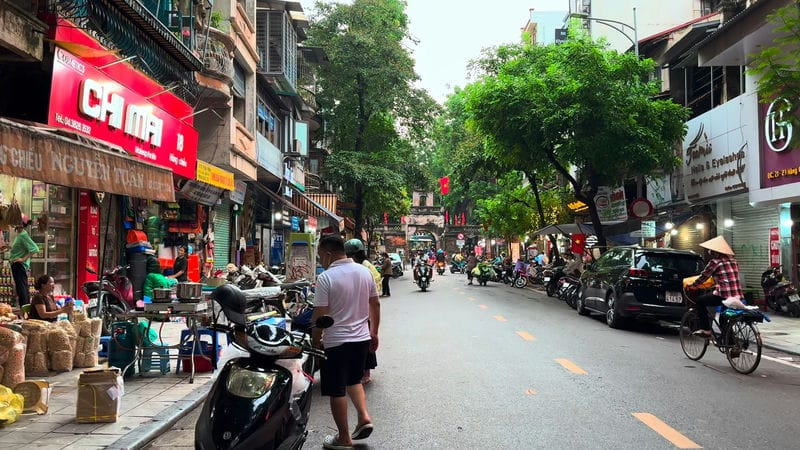
What makes the Hanoi Old Quarter especially compelling is the contrast it offers:
- Sacred spaces next to busy markets
- Quiet alleys opening onto crowded intersections
- Ancient rituals performed amid modern commerce
You might find yourself enjoying a cup of Vietnamese coffee beside a temple that has stood for centuries, or watching children play under balconies that have witnessed generations of family life.
Why Tourists Are Drawn to the Hanoi Old Quarter
The Hanoi Old Quarter attracts travelers from all over the world who seek authentic urban culture rather than polished resort experiences. Its appeal lies in its unpredictability. No two walks through the Old Quarter feel the same.
Some of the most memorable experiences for visitors include:
- Wandering through narrow streets filled with local life
- Sampling street food that reflects regional traditions
- Discovering hidden cafés and art spaces
- Observing daily routines unchanged for decades
- Experiencing the energy of night markets and evening street life
For many travelers, the Hanoi Old Quarter becomes the emotional highlight of their trip to Vietnam. It offers a sense of place that cannot be replicated elsewhere—a rare blend of history, culture, and human connection.
The Hanoi Old Quarter: A Gateway to Truly Understanding Hanoi
To understand Hanoi, you must walk through the Hanoi Old Quarter. Not rush through it. Not skim the highlights. You need to wander, pause, observe, and absorb. This compact yet endlessly complex neighborhood is where Hanoi reveals its soul most honestly—through contradiction, continuity, and everyday life unfolding in plain sight.
The Hanoi Old Quarter is not a museum frozen in time. It is a living, breathing organism where ancient customs coexist with modern habits, where history adapts rather than disappears. Here, tradition does not resist change—it bends, reshapes, and survives within it.
For first-time visitors, the Hanoi Old Quarter can feel overwhelming at first. The narrow streets buzz with motorbikes, street vendors call out to passersby, and the air is thick with the aroma of grilled meats, incense, and strong Vietnamese coffee. But once the initial sensory overload fades, something remarkable happens: the chaos begins to feel rhythmic, even comforting.
For returning travelers, the Hanoi Old Quarter never feels the same twice. Each visit reveals new layers—hidden courtyards, quiet temples tucked behind storefronts, conversations overheard at dawn, or moments of stillness amid the movement. This is a place where the city tells its story not through grand monuments alone, but through lived experience.
In a world where many historic districts are being erased or sanitized by rapid development, the Hanoi Old Quarter stands as proof that preservation does not mean stagnation. Instead, it demonstrates how heritage can remain relevant, functional, and deeply meaningful when it continues to be lived in.
Hoan Kiem Lake: The Symbolic Heart Beside the Hanoi Old Quarter
Just steps from the edge of the Hanoi Old Quarter lies Hoan Kiem Lake, a place that feels like the city’s collective pause button. While the Old Quarter pulses with movement, the lake offers balance—a quiet emotional anchor at the center of Hanoi.
Early in the morning, Hoan Kiem Lake belongs to the locals. Elderly residents practice tai chi in slow, deliberate movements. Joggers circle the water as the city wakes. Street vendors quietly set up breakfast stalls nearby. The lake feels meditative, almost sacred, especially when mist lingers over the water.
By evening, the atmosphere shifts. Couples stroll hand in hand, families gather, street musicians perform, and the surrounding streets glow with soft lights. The lake becomes social, romantic, and reflective all at once.
Several landmarks around Hoan Kiem Lake are inseparable from the Hanoi Old Quarter experience:
- Ngoc Son Temple, sitting on a small island, accessible by the iconic red The Huc Bridge
- Turtle Tower, rising quietly from the water
- Pen Tower, symbolizing scholarship and learning
The proximity of Hoan Kiem Lake to the Hanoi Old Quarter is no accident. Spiritually and geographically, the lake grounds the neighborhood. It reminds visitors that beneath the energy and intensity of the Old Quarter lies a deep sense of balance and continuity.
Hang Ma Street: Where Color Explodes in the Hanoi Old Quarter
Few streets capture the visual spirit of the Hanoi Old Quarter quite like Hang Ma Street. Traditionally known for producing and selling paper offerings for religious rituals, Hang Ma has evolved into one of the most vibrant and photogenic streets in Hanoi.
Walking down Hang Ma Street feels like stepping into a constantly changing festival. Lanterns, masks, toys, decorations, and handcrafted items spill from every storefront. During major holidays such as Lunar New Year, Mid-Autumn Festival, or Christmas, the street transforms into a dazzling explosion of color.
For photographers, Hang Ma is pure magic. Every angle offers texture, contrast, and movement. For travelers, it’s a reminder that the Hanoi Old Quarter is not just historically rich—it is visually alive and constantly reinventing itself while honoring its roots.
Ta Hien Street: The Nightlife Face of the Hanoi Old Quarter
When night falls, Ta Hien Street reveals a completely different side of the Hanoi Old Quarter. Often referred to as “Beer Street,” Ta Hien becomes a melting pot of cultures, languages, and energy.
Plastic stools fill the pavement. Cold beer flows freely. Conversations overlap in dozens of languages. Backpackers, locals, digital nomads, and long-term expats all find themselves sharing space in this narrow street.
It’s loud. It’s chaotic. And yet, it feels uniquely Hanoi.
What makes Ta Hien Street special is not just the nightlife—it’s the contrast. Ancient buildings frame modern social rituals. Traditional facades house contemporary bars. The past watches quietly as the present unfolds, reminding visitors that the Hanoi Old Quarter never stops evolving.
Dong Xuan Market: The Beating Commercial Heart of the Hanoi Old Quarter
Dong Xuan Market is more than just a place to shop—it is a cultural institution within the Hanoi Old Quarter. As the largest traditional market in the area, it reflects both the practical needs and the social rhythms of daily life.
Inside, the market feels endless. Stalls sell everything from clothing and textiles to household goods, souvenirs, spices, and snacks. The sound of bargaining fills the air. Vendors shout prices, laugh, negotiate, and share stories.
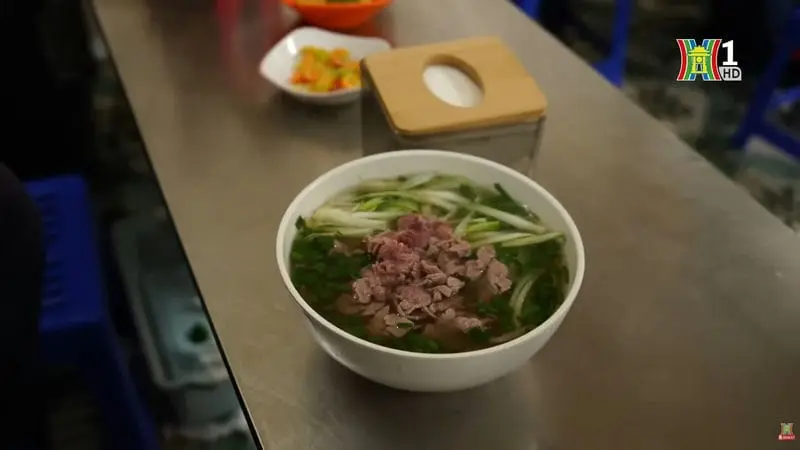
Outside the main building, food stalls line the streets. This is where the Hanoi Old Quarter truly feeds you—both literally and culturally. Bowls of pho, plates of bun cha, sticky rice, sweet desserts, and fried snacks tempt every passerby.
Exploring Dong Xuan Market is sensory overload in the best possible way. It’s messy, authentic, loud, and deeply human—exactly what the Hanoi Old Quarter is all about.
O Quan Chuong: A Rare Gate from Ancient Thang Long
Among the dense streets of the Hanoi Old Quarter stands O Quan Chuong, one of the few remaining city gates from ancient Thang Long. Built during the Nguyen Dynasty, this structure feels almost out of place—quiet, solemn, and timeless amid the traffic.
Standing beneath its archway, you become acutely aware of time’s layers. Motorbikes rush past. Vendors sell snacks nearby. Daily life continues uninterrupted. And yet, above it all, the gate remains—unchanged, patient, and observant.
O Quan Chuong is not just a historical landmark. It is a symbol of resilience, a reminder that the Hanoi Old Quarter has endured wars, colonization, and modernization without losing its identity.
Ma May Ancient House: Stepping Inside Old Hanoi Life
Tucked away at 87 Ma May Street, the Ma May Ancient House offers one of the most intimate experiences in the Hanoi Old Quarter. Unlike temples or gates, this preserved house allows visitors to step directly into the domestic life of old Hanoi.
Inside, the atmosphere shifts. Wooden beams, inner courtyards, antique furniture, and traditional layouts recreate the daily rhythms of a late 19th-century merchant family. The noise of the street fades, replaced by quiet reflection.
For travelers interested in architecture, history, or everyday life, Ma May Ancient House is one of the most insightful stops in the Hanoi Old Quarter.
Bach Ma Temple: Spiritual Roots of the Hanoi Old Quarter
Bach Ma Temple is one of the “Four Sacred Temples” of ancient Thang Long, honoring Long Do—the guardian spirit of Hanoi. Located deep within the Hanoi Old Quarter, the temple exemplifies how spirituality remains woven into everyday urban life.
Unlike grand religious complexes, Bach Ma Temple feels intimate and lived-in. Locals stop by to pray before work. Incense smoke drifts softly through the courtyard. Offerings sit quietly on the altar.
This blending of sacred and ordinary is one of the defining characteristics of the Hanoi Old Quarter. Faith is not separated from daily life—it is part of it.
Why the Hanoi Old Quarter Leaves a Lasting Impression
What makes the Hanoi Old Quarter unforgettable isn’t just its landmarks or attractions. It’s the atmosphere.
It’s the sound of vendors calling out at dawn.
It’s the smell of pho simmering as the city wakes.
It’s the sight of old balconies draped with laundry.
It’s the feeling of walking streets where history never left.
Unlike curated tourist districts, the Hanoi Old Quarter remains real, imperfect, and alive. It doesn’t perform for visitors—it simply exists, inviting you to witness it.
Final Thoughts: Is the Hanoi Old Quarter Worth Visiting?
Absolutely—without hesitation.
Whether you are:
- A first-time visitor to Vietnam
- A culture-focused traveler
- A photographer
- A food lover
- Or simply curious about authentic urban heritage
The Hanoi Old Quarter delivers an experience that stays with you long after you leave.
If Hanoi has a soul, it lives here—between old walls, narrow streets, and the everyday rhythm of life that refuses to fade.